

Across blue and red states, grid congestion, water law, and system limits are rewriting growth timelines.

As risk signals accelerate, many organizations are struggling to act fast enough. Decision lag is emerging as a material operational and financial liability in 2026.

Hydrogen from sunlight just got cheaper. A Chalmers team has replaced platinum with plastic nanoparticles, opening a path to scalable, clean hydrogen production.

Dubuque is piloting organic land care in Jackson and Washington Parks. The project shifts focus to soil health, aiming to cut chemicals and boost resilience.

Research highlights how indoor air risks tied to human activity often bypass formal regulation, leaving organizations to manage exposure internally.

State bills like Virginia’s HB 277 streamline wireless infrastructure approvals—but omit health concerns. Here’s why federal law keeps RF exposure out of state legislation.

As infrastructure, energy, and compliance pressures intensify, demand is rising for engineers trained to operate across sustainability, policy, and execution.

Infrastructure limits, regulatory pressure, and legal exposure are surfacing faster than planning cycles can adapt—forcing earlier decisions and shrinking strategic flexibility in 2026.
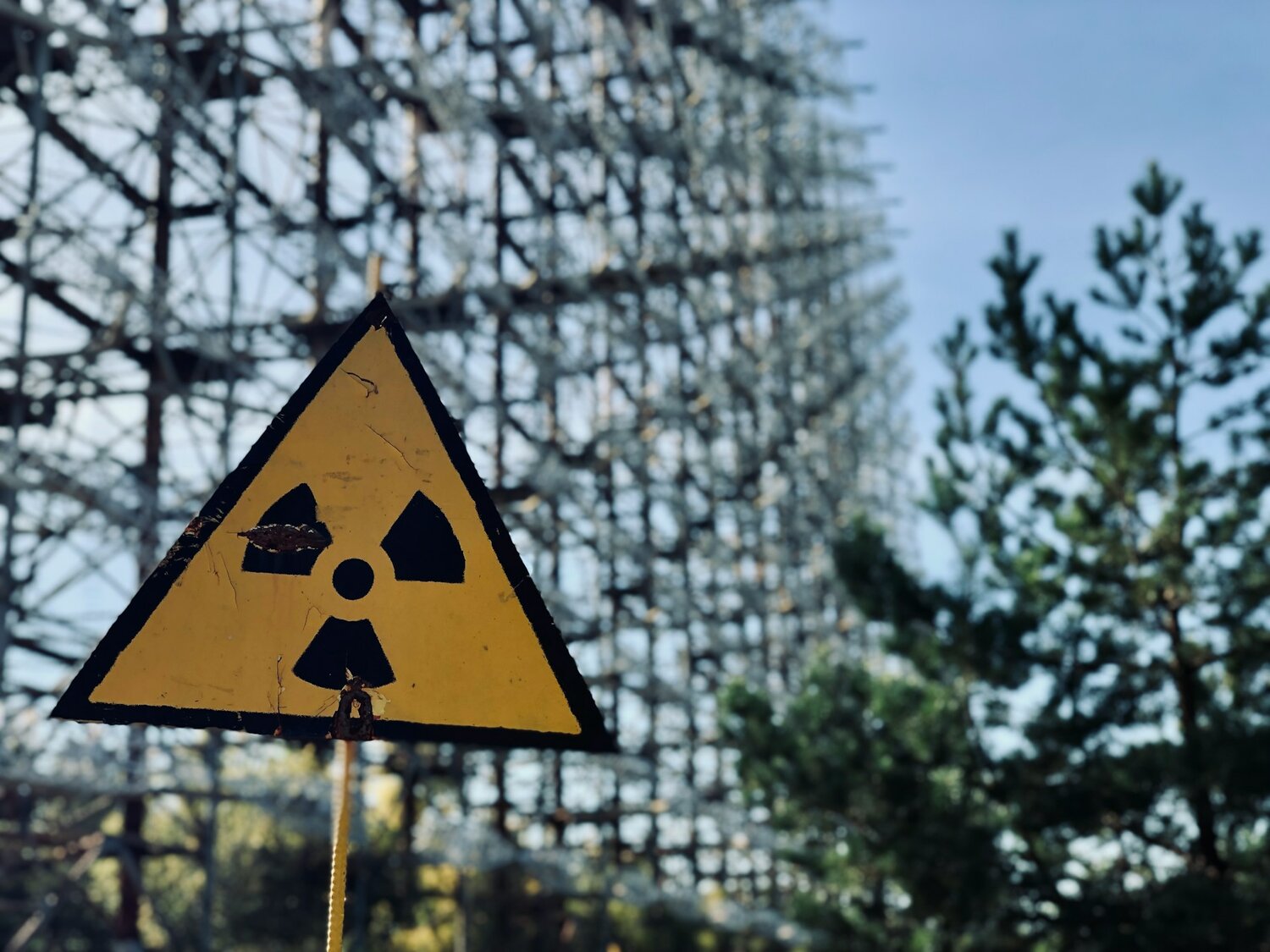
Security guards at Plant Vogtle have filed for a union decert vote. The outcome could reshape how labor representation works at high-security facilities.

AVAIO is building a $6B data hub outside Little Rock with plans to reach 1GW capacity. The site merges power, land, and compute to support AI infrastructure growth.

A California appeals court ruled that Citgo can be sued in state court over climate claims, reversing a lower court decision on jurisdiction.

The Building Engineering Services Association has suspended five members for failing competence audits, signaling tougher enforcement aligned with the UK Building Safety Act.

Intel’s latest disclosures show how treating water, air, and chemical compliance as fixed planning inputs—rather than afterthoughts—can reduce regulatory volatility and execution risk.

Facilities teams are encountering regulatory, design, and execution constraints earlier than expected—turning resilience investments into an unpriced cost of 2026 strategy.

As storms intensify, cities are shifting from pipes to permeable design. Sponge cities absorb rain where it falls, easing floods and boosting resilience.

AI-driven models improve urban air pollution forecasts, raising questions about how quickly cities and operators can act.

Meta’s nuclear agreements, totaling up to 6.6 GW, highlight how AI-driven data center growth is pushing companies to secure long-term, reliable power amid grid constraints.

Early 2026 operational stress is emerging before organizations can adjust. Why Q1 strain narrows options and reshapes enterprise risk faster than year-end misses.

Facilities and energy teams are encountering operational constraints earlier than expected in 2026. Why timing, not ambition, is exposing strategic gaps.

The Hague is studying how treated sewage could power local heating. If viable, wastewater heat could serve up to 20,000 homes as part of the city’s energy shift.