

Earth Day didn't change corporate America by asking nicely. It changed it by making inaction visible — and 56 years later, that same dynamic is still at work.

AI workloads are reshaping how data centers move data. STL’s Neuralis platform focuses on dense fiber and faster deployment to keep pace.

Data centers using 20 megawatts or more would need state approval, decade-long grid contracts, and quarterly water reporting under Vermont's new bill.

Trump is setting aside a diplomatic rift with South Africa to protect one thing — U.S. access to rare earths.

Two solar projects in the Midwest add 200 MW of new capacity. Utility and corporate buyers continue to drive demand for contracted renewable energy.

For facilities and energy managers evaluating long-term heating and cooling strategies, state incentive program activity is worth tracking more closely than it often gets.

Texas AG Ken Paxton has issued a civil investigative demand to Lululemon over PFAS in its apparel, signaling broader enforcement pressure on consumer brand supply chains.

North Carolina is directing $215 million to 66 water infrastructure projects, with most funds rebuilding systems damaged by Hurricane Helene.

Gas bills are rising faster than inflation, driven by infrastructure costs. Businesses face growing pressure to rethink energy strategy.

Ventura County is testing a scalable regenerative agriculture model. Early results show farm adoption rising with coordinated funding and support.

Maine voted 21–13 to ban permits for data centers drawing 20MW or more through 2027 while a new state council evaluates grid and ratepayer impacts.
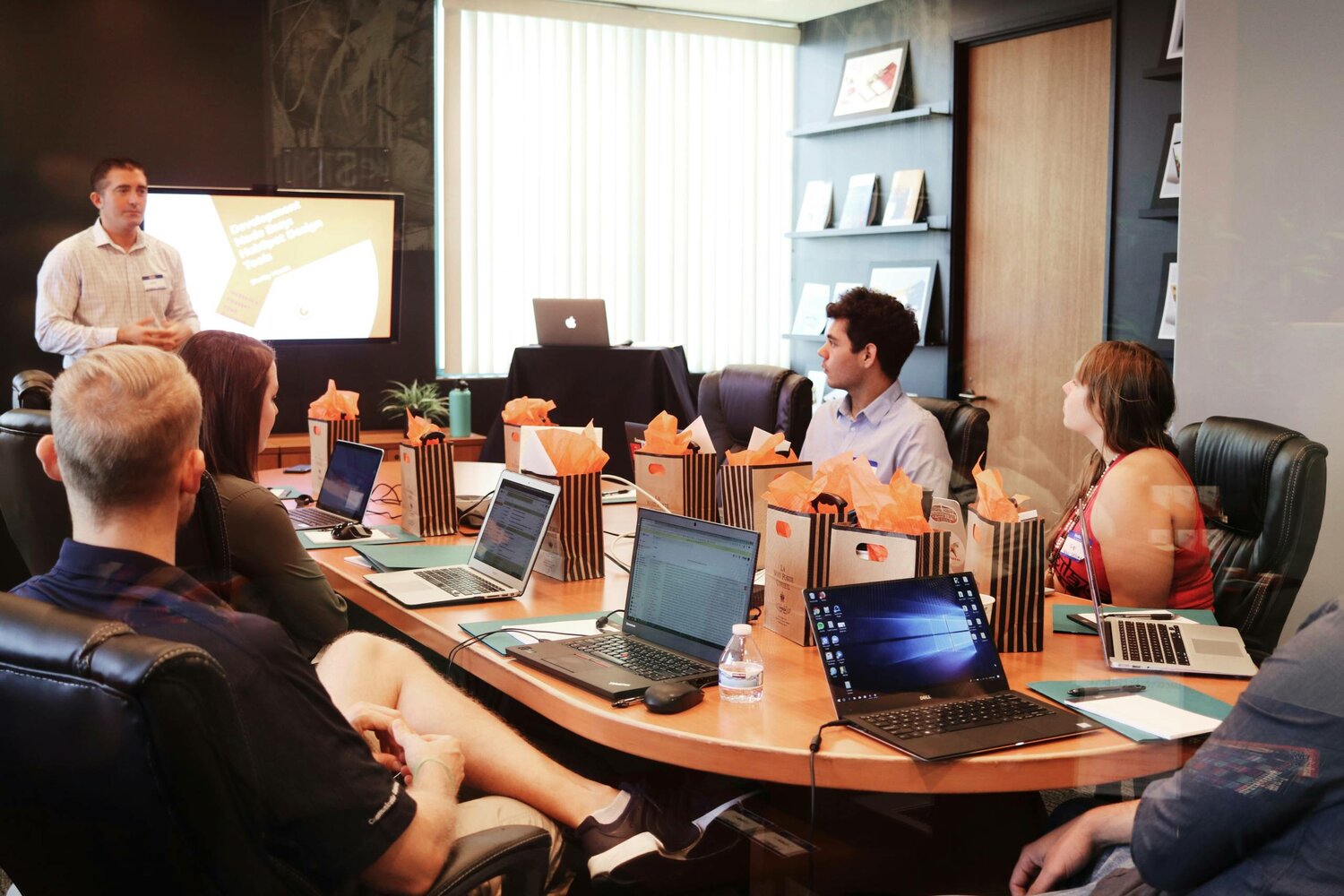
Artificial intelligence is advancing rapidly across healthcare, finance, and public policy, but experts gathering at the University of North Carolina at Chapel Hill say the technology’s trajectory remains defined by competing forces: breakthrough innovation, workforce disruption, and unresolved questions around privacy and accountability.

GDI is moving its silicon anode tech toward production with new funding. Early manufacturing in the US and Europe targets scalable battery performance gains.

Spokane's proposed cooling ordinance would require landlords to maintain bedrooms below 80°F by 2031, building on Washington state's new portable cooling law.

A $7.8M investment is driving conservation across U.S. grasslands. Ranchers are adopting practices that balance productivity with environmental gains.

Used cooking oil is now a target as biofuel demand surges. Theft is disrupting supply chains and costing restaurants and recyclers millions.

Lawmakers push to preserve LIHEAP funding as energy costs rise, warning millions of households face growing utility affordability challenges.

EPA approves carbon storage permits in Kansas and Illinois, advancing CO₂ sequestration projects with long-term monitoring requirements.

Wisconsin unlocks $125M for PFAS cleanup after years of delay, expanding funding for communities, wells, and stricter drinking water standards.

New research shows water quality data can help identify high-risk abandoned mine sites, improving how agencies prioritize cleanup efforts.