

A U.S. appeals court ruled that Iowa counties cannot enforce local safety ordinances on a federally regulated carbon pipeline. The case could shape how local and federal authorities intersect in carbon capture infrastructure.
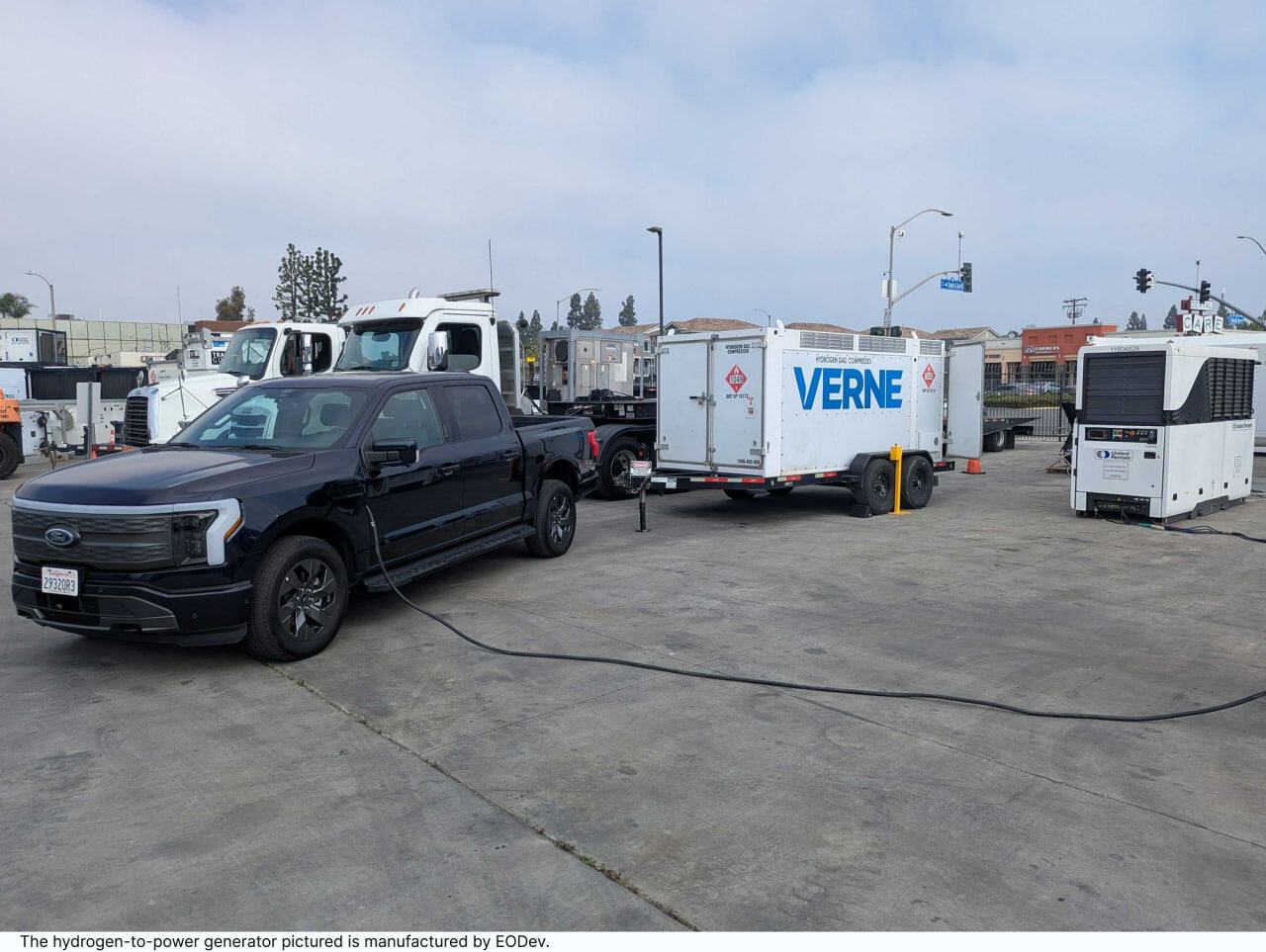
Hydrogen is stepping in where diesel dominated. A new service brings clean, quiet power to job sites, ports, and EV charging hubs.

Ontario’s Bill 40 reshapes energy policy with hydrogen innovation, rate stabilization, and streamlined municipal decisions to fuel economic growth across the province.
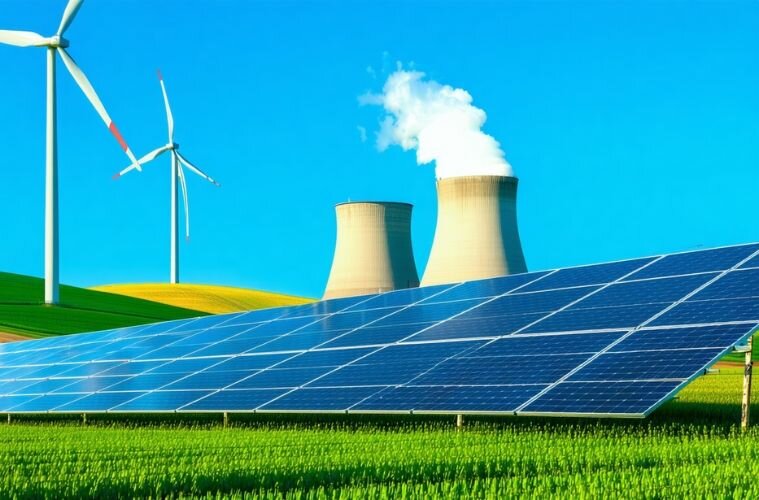
Wisconsin’s Assembly Bill 174, introduced in April 2025, is ushering in widespread changes across the state’s energy landscape.

Environmental concerns and outdated zoning challenge waterfront development in Hudson, New York, prompting calls for stronger industrial oversight.
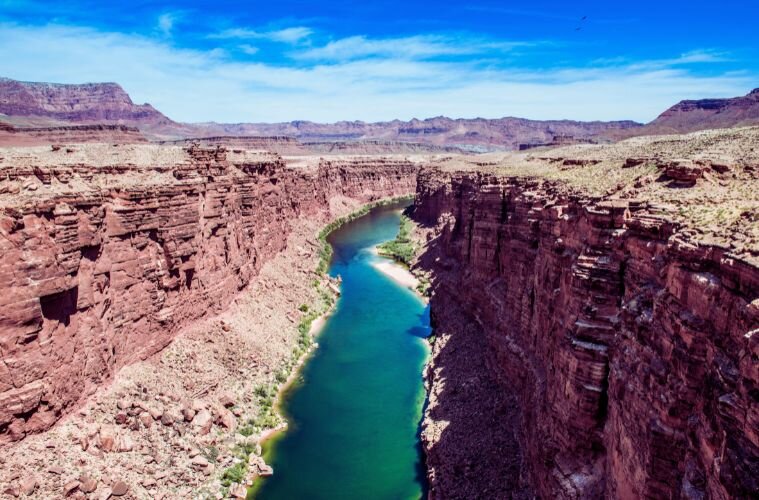
Groundwater depletion in the Colorado River Basin is accelerating, threatening municipal supply, agriculture, and energy infrastructure.
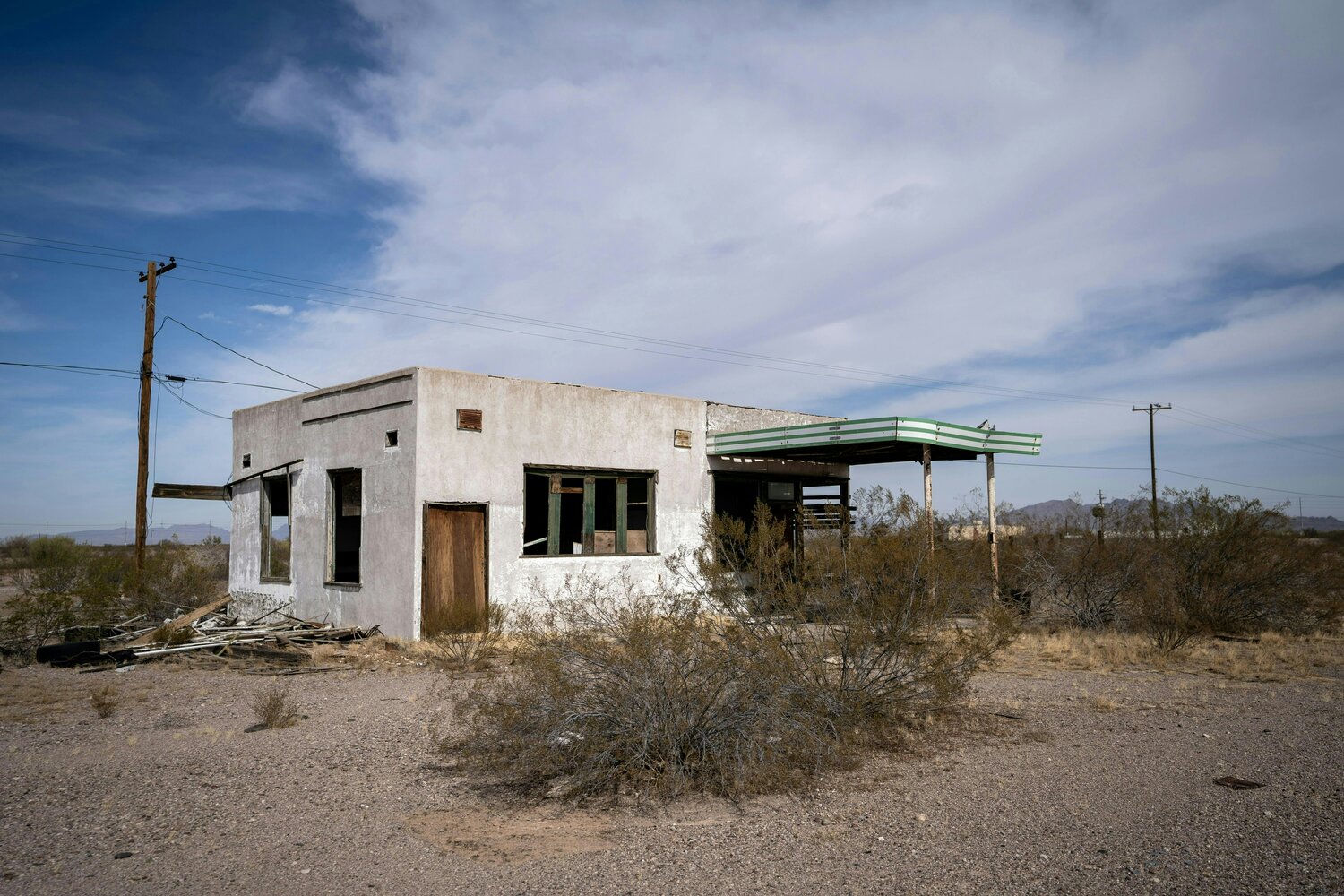
$267M in federal funding will help turn polluted, abandoned lots into new homes, green space, and small business hubs.

Following a historic drop, hydropower output in the Northwest is forecast to increase 17% in 2025 due to stronger precipitation, though totals remain below the 10-year average.

With climate disasters rising, North Carolina’s new law invests $1B in infrastructure and recovery. Can it create a scalable model for resilience?
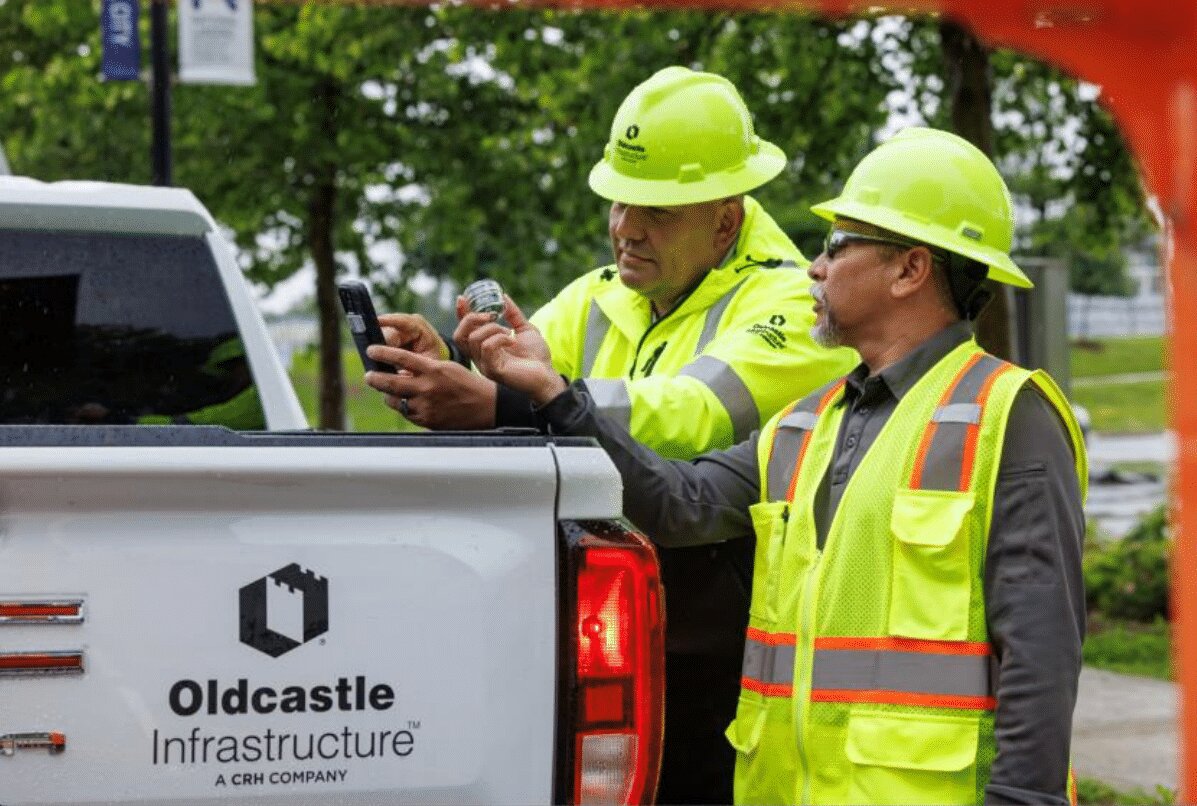
Water loss costs U.S. municipalities $8B a year. See how CivilSense™ uses AI to identify leaks and protect drinking water in communities like Bartow County, GA.
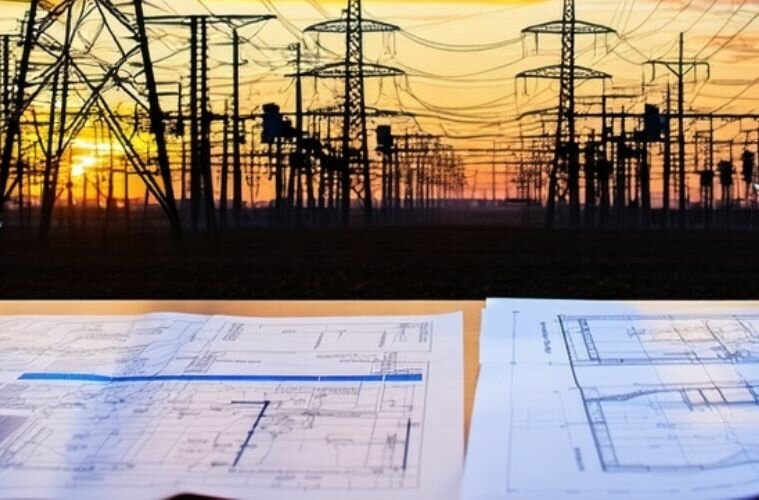
Texas Senate Bill No. 75 reinforces the state’s electric grid by establishing expert oversight and rigorous simulations to set new resilience standards that safeguard healthcare, water, communications, and transportation, ensuring public safety and economic stability.
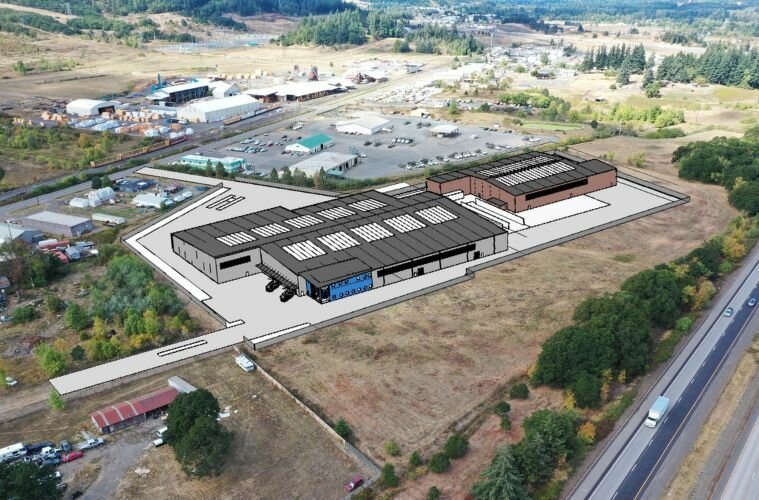
Oregon lawmakers consider a bill to support Lane County’s CleanLane project, a proposed recycling and methane extraction facility designed to extend landfill life and reduce emissions.

Efforts to replace flood infrastructure in a key Pacific Northwest estuary are colliding with salmon habitat protections—illustrating a broader challenge facing public and private sector landowners alike.
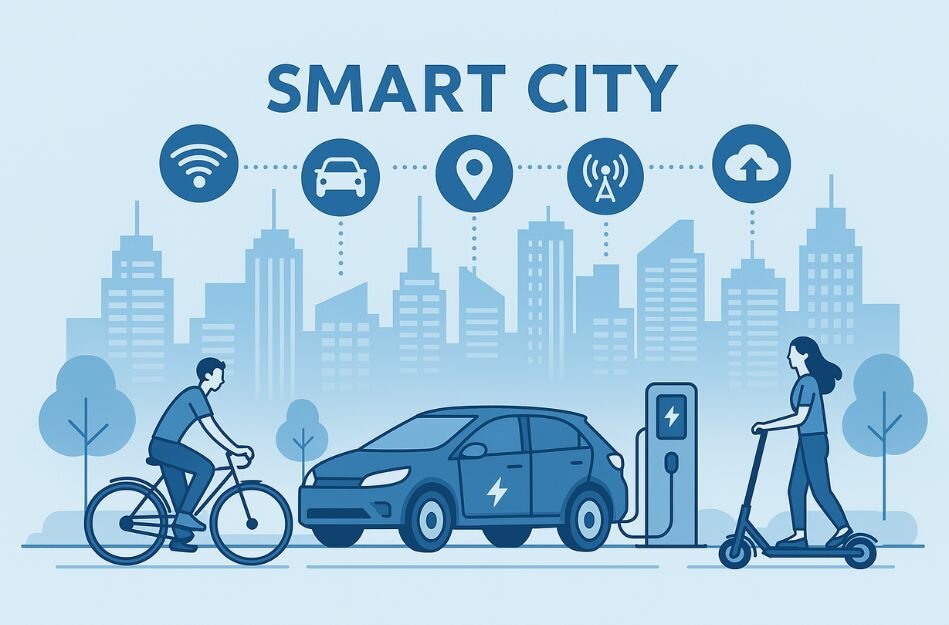
Micromobility Fire Safety Standards Act of 2025: Ensuring safe e-bike and e-scooter use in D.C. by requiring UL-certified batteries to prevent fire risks.
The Offshore Lands Authorities Act of 2025 (H.R. 513) has sparked a partisan debate over offshore energy policy, as Republicans push to limit presidential authority over leasing withdrawals while Democrats warn of environmental risks.
With biodiversity loss accelerating, lawmakers are pushing agencies to protect all species—not just game—while rethinking commissions and diversifying funding streams.

Project PUCK confirms Deep Isolation’s Universal Canister System as a scalable, cost-effective solution for TRISO nuclear waste from Kairos Power’s advanced reactor.
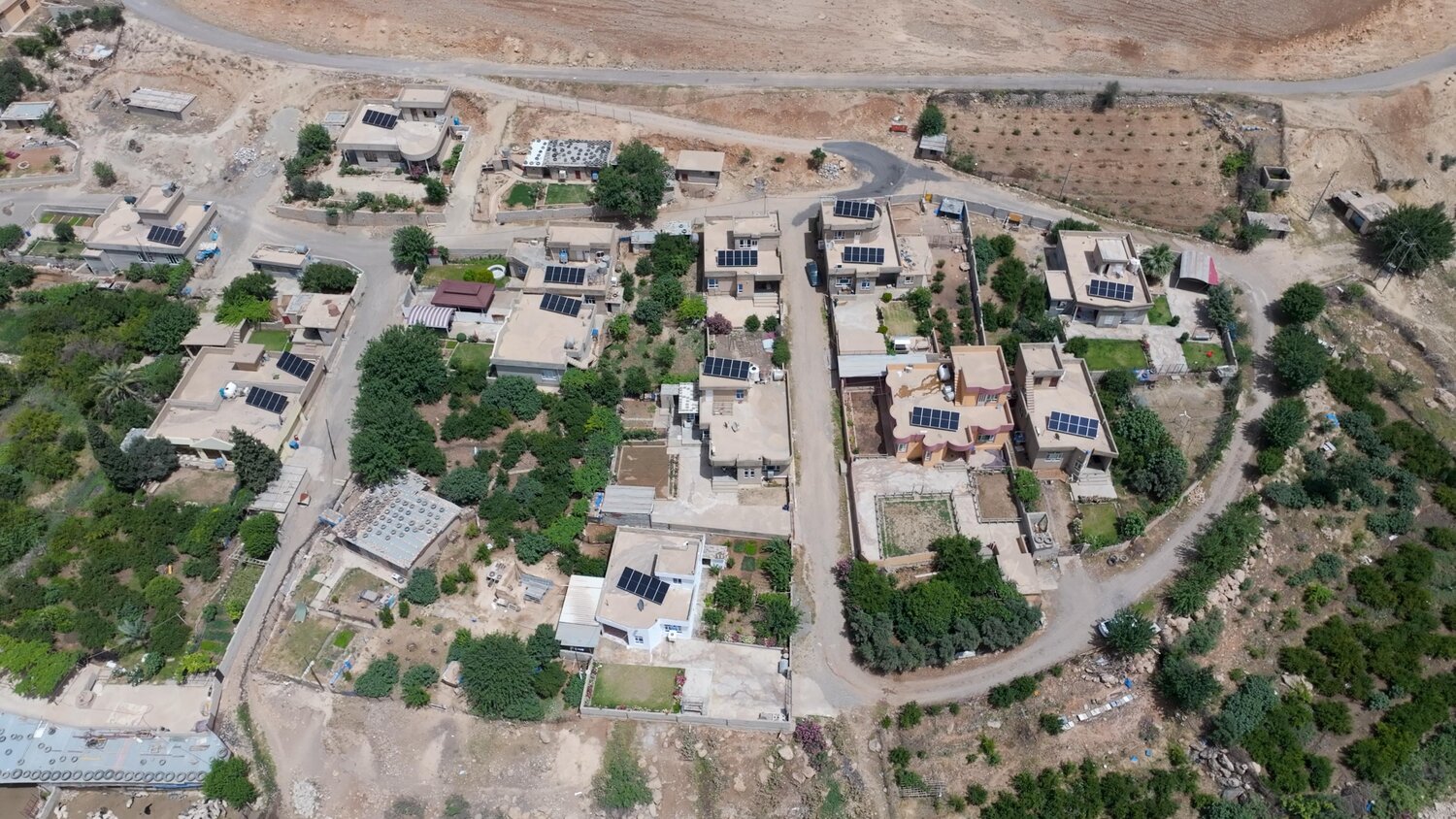
In northern Iraq, a solar-powered village offers a model for climate resilience. Renewable energy and farming work hand-in-hand for change.
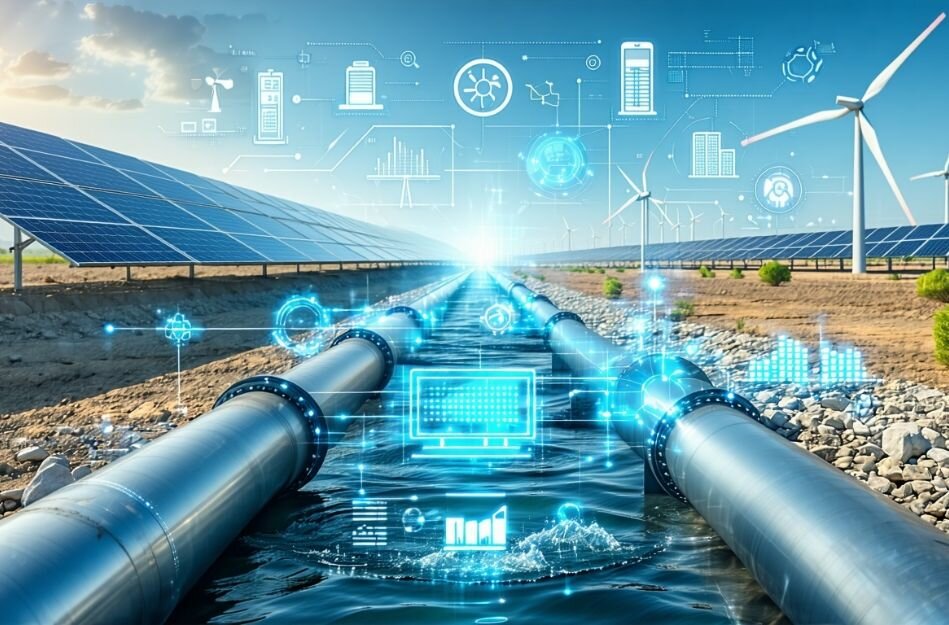
Explore Governor Newsom’s initiatives to modernize California’s infrastructure, from expediting the Delta Conveyance Project to record-breaking growth in battery storage capacity.

Antibiotics from human use are polluting rivers worldwide, raising health risks and forcing industry to rethink water management.