
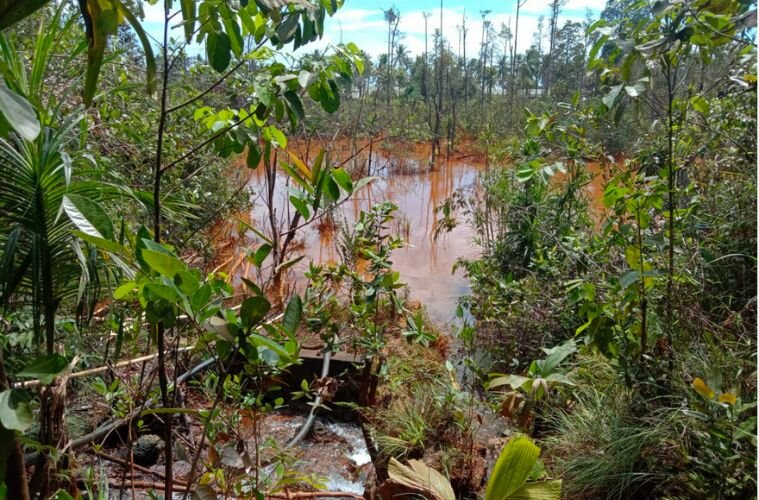
Harita Nickel faces scrutiny as leaked documents reveal decade-long chromium-6 pollution at its Indonesian site supplying EV giants, despite public denials.
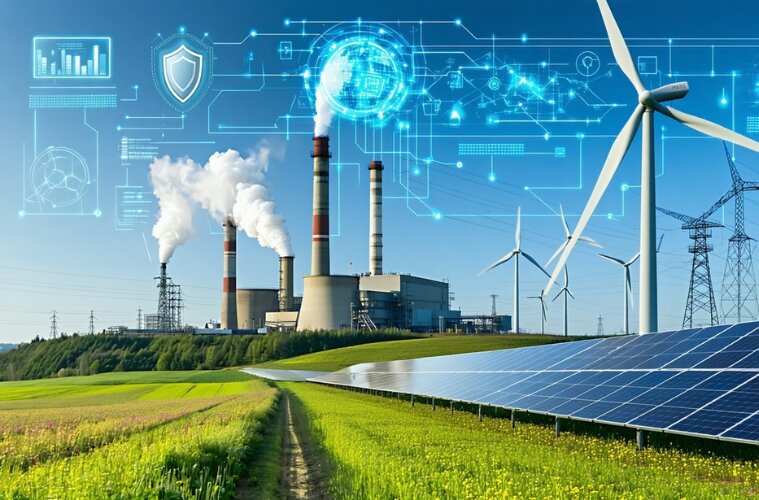
Missouri SB6 would restrict power plant shutdowns unless utilities prove they’ve replaced lost capacity with reliable alternatives, potentially delaying the state’s clean energy transition.

A major study connects DEHP in plastics to 13% of heart deaths globally. The cost to businesses? Up to $3.7 trillion and growing fast.

ESA’s Biomass satellite is now in orbit, using P-band radar to map forest carbon. It’s a major step in tracking climate change impacts.
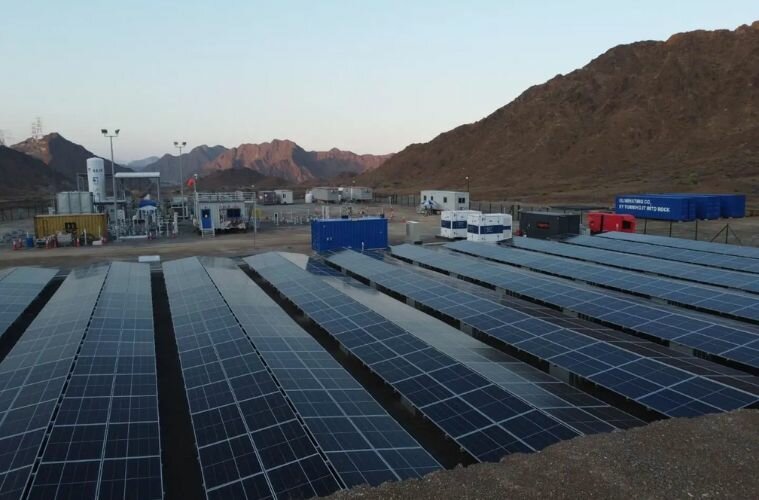
Project Hajar captures CO₂ from air and mineralizes it underground. Its XPRIZE win signals growing commercial potential for permanent, scalable carbon removal.
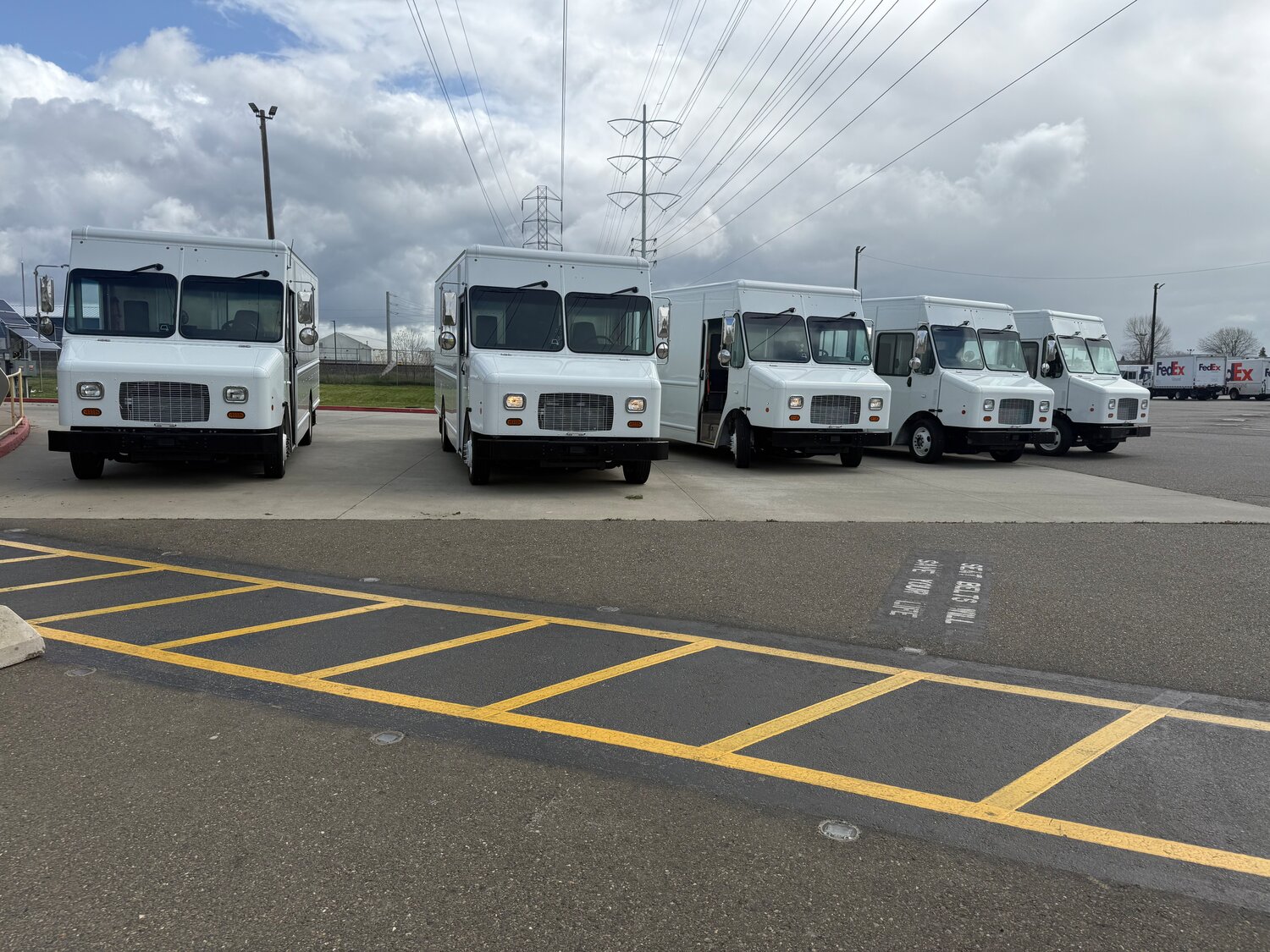
NuGen’s financing helped NorCal Logistics deploy electric trucks on FedEx routes. The model bridges incentive gaps to speed EV adoption.

A newly introduced bill in Rhode Island aims to ban products with intentionally added microplastics by 2029 while advancing state-led testing and strategy to address environmental and health risks.

Ford’s EV sales dropped 40% in April, triggering major project cancellations as consumers pivot to hybrids and Ford grapples with rising losses and shifting demand.

Rubber particles from climbing shoes may pose health risks indoors. Facilities and manufacturers face urgent calls to act on exposure.

Demand for electricity in the Northwest could double by 2046, according to a new energy forecast from regional experts.
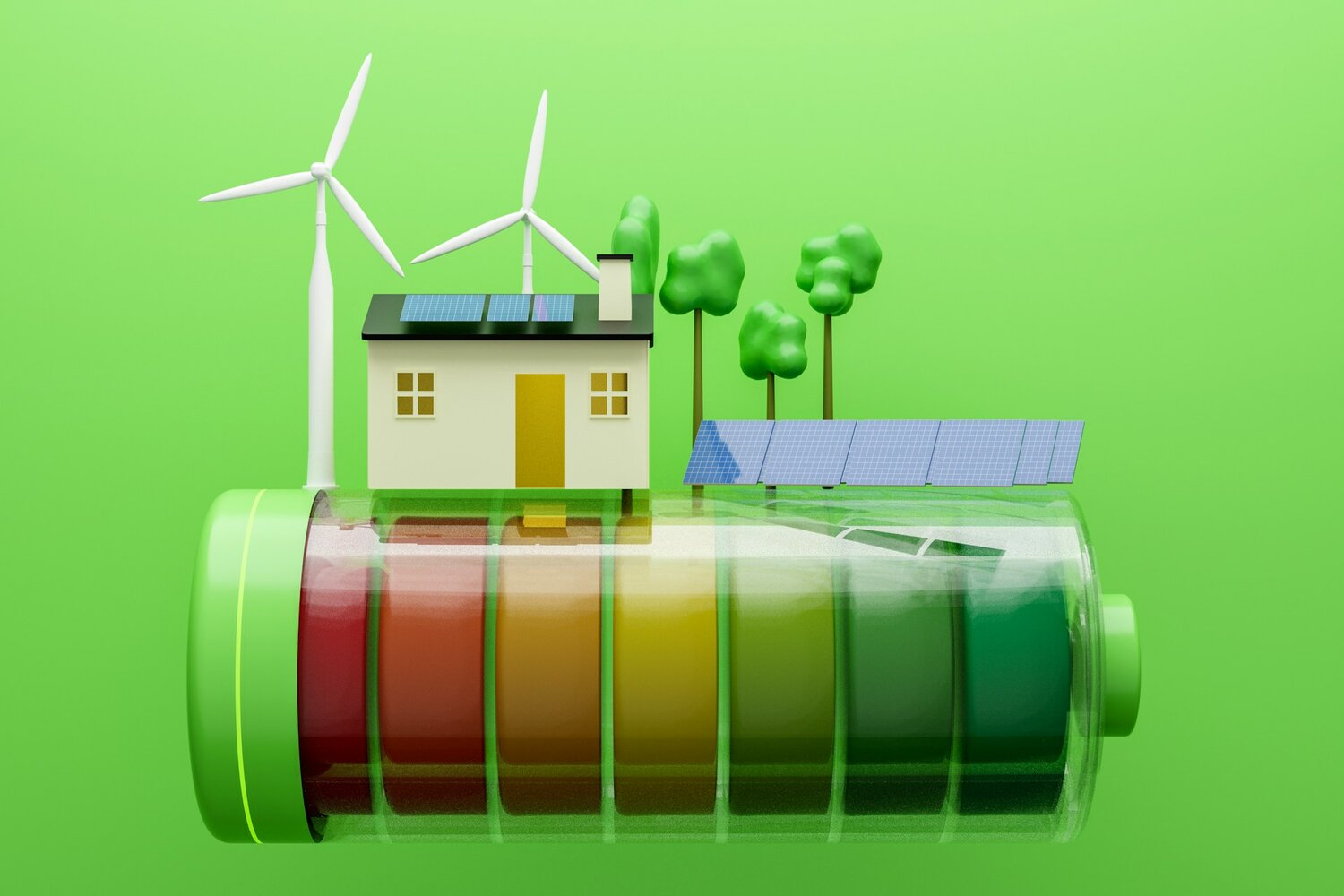
Geopolitical and economic hurdles are dampening short-term energy optimism. Yet, the sector remains focused on long-term sustainability goals.

Under U.S. pressure, Mexico will deliver long-overdue water to South Texas, easing agriculture concerns under the 1944 Water Treaty.

(BPT) - Verizon is excited to announce that its free STEM summer program — now in its 10th year — is open for registration.Hosted on 45 college campuses in 26 states across the country, …
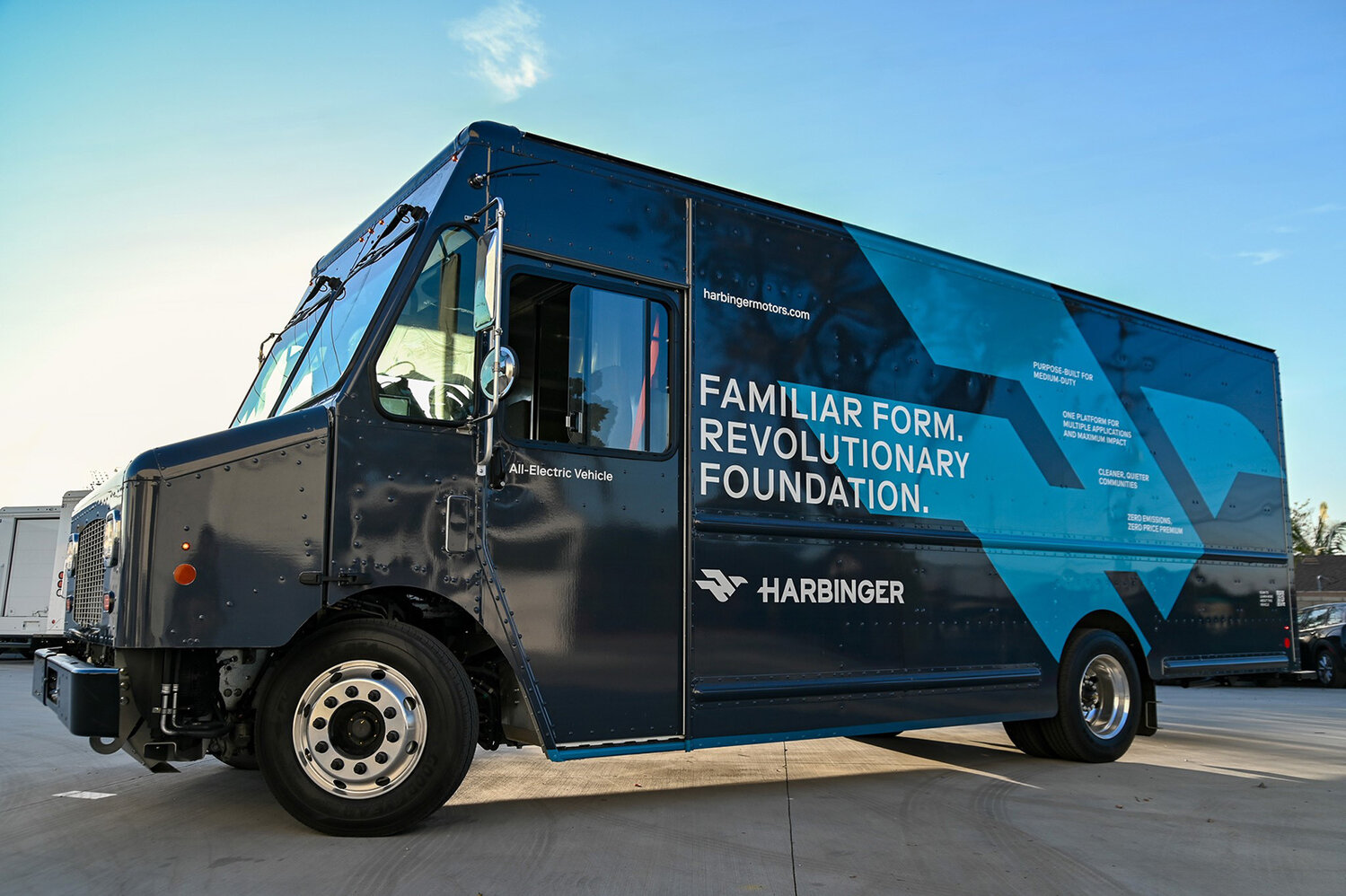
A new battery supply deal strengthens U.S. EV production and supports the growing demand for electrified commercial vehicle fleets.
Alabama advances plans to store uranium-233, aiming to drive next-gen nuclear energy innovation, job creation, and private investment in the state.
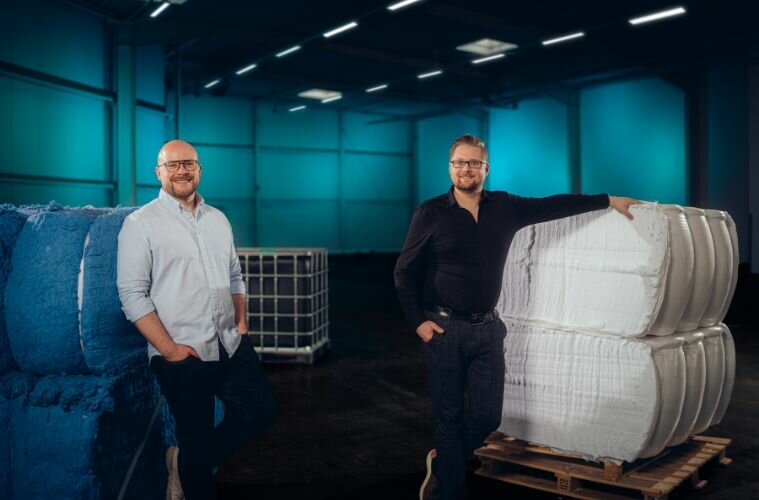
German startup eeden raises $19.3 million to advance chemical recycling of cotton-polyester textiles, addressing rising regulatory pressure and supporting a more circular textile economy.
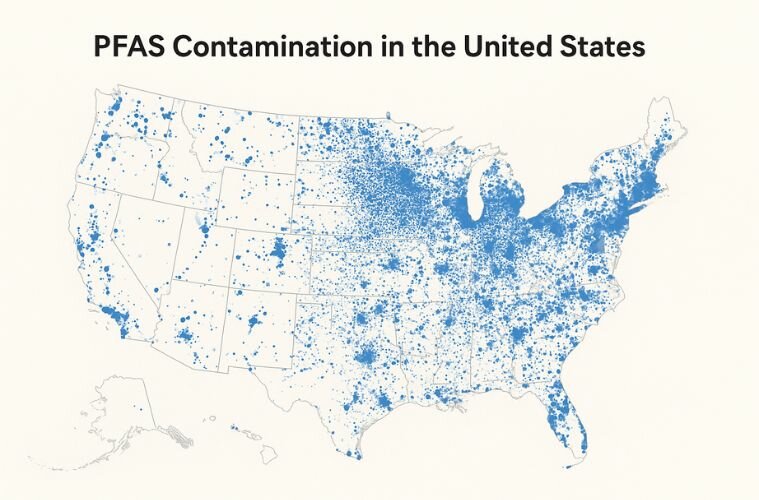
The EPA’s evolving approach to PFAS under Administrator Lee Zeldin blends scientific inquiry, regulatory reform, and polluter liability.

San Francisco’s Ferry Building adds AI bins to cut waste errors. The system helps visitors sort trash right and learn better recycling habits.

In the wake of recent natural disasters, state leaders across the country are finding that emergency support from the federal government is no longer a given.

For every pound of plastic the Scouts collect—up to 100,000 pounds—CleanHub will remove an equivalent amount from global pollution hotspots.