

New large-load electricity tariffs require multi-year minimum terms and per-megawatt collateral, contract terms finance teams should model before signing.

As grid constraints grow, manufacturers and data center developers are prioritizing guaranteed power delivery over the lowest electricity prices.

Treasury now expects to finalize 45Z clean fuel tax credit regulations in November, extending uncertainty for renewable fuel projects and investment planning.

The UAE is showing what happens when power, capital, permitting, and chip access are coordinated before construction begins, not assembled project by project.

Tax incentives are sliding down site selection checklists as states compete on power availability, and several are already rebuilding programs around it.
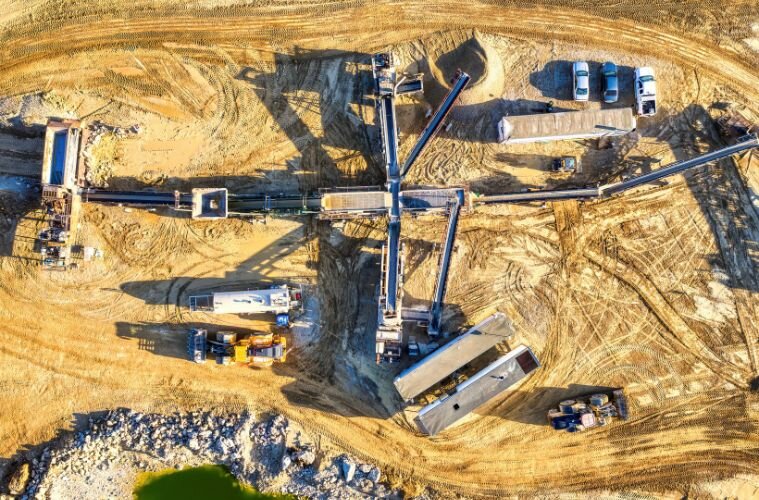
Power constraints can delay facility openings, increase carrying costs, and force expensive temporary power investments that reshape project economics for CFOs.
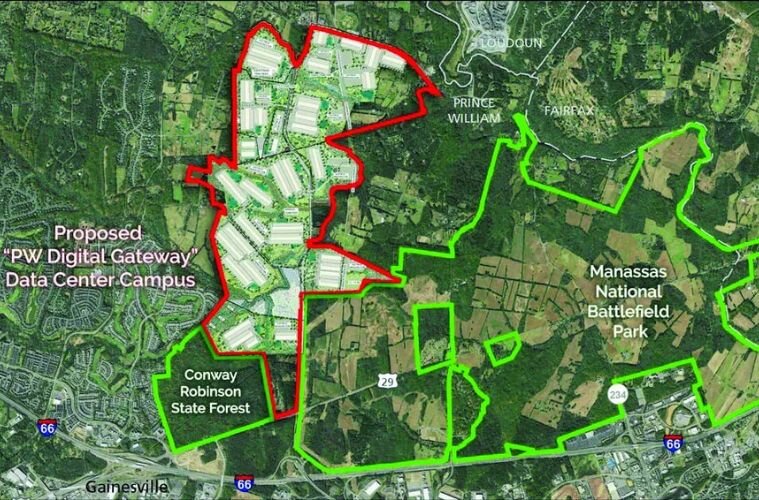
Blackstone's QTS dropped its final appeal, terminating pursuit of a 2,100-acre Virginia data center campus after courts voided the project's rezoning approvals.
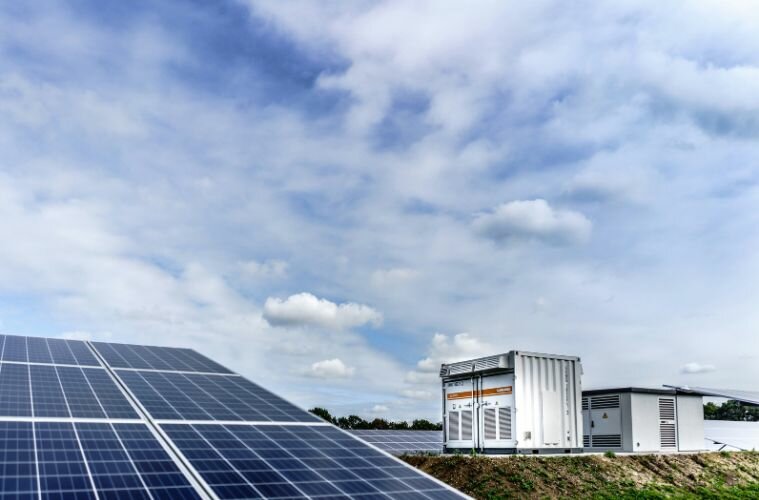
With median interconnection timelines approaching five years, facilities teams are redesigning project sequencing around a queue that most enterprise plans never accounted for.

CFOs entering Q3 face a triage question: which infrastructure-dependent projects can actually execute on their original timelines, and what changes next.

Tariff volatility, critical mineral concentration and supplier concentration have shifted the sources of procurement leverage heading into Q3 2026.

Infrastructure constraints on power, water and permits are structural, not cyclical. Executives still planning around their resolution are planning for an environment that doesn't exist.
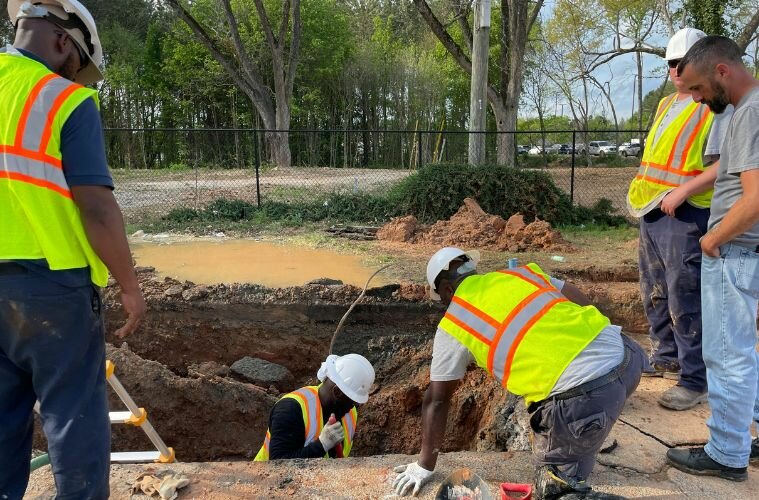
Operators cannot control power demand growth, infrastructure upgrade timelines, permitting contest rates or capital selectivity. What they can control is how early those realities enter their planning

Grid queues, water access, permitting risk and capital timing are converging on the same projects. That is changing how executives plan for Q3.

Many organizations entered 2026 expecting normalization. Q2 suggests the second half will be defined by adaptation rather than recovery.

For years, organizations optimized for efficiency. In today's operating environment, excess capacity is increasingly becoming a strategic asset organizations can't quickly replicate.
For years, uncertainty justified delay. Increasingly, uncertainty itself is becoming the cost organizations can no longer afford to absorb.

The biggest risk entering H2 may not be execution. It may be relying on planning assumptions that no longer reflect operating conditions.

Power, water, permits, and capital are tightening simultaneously on the same projects. Executives need a framework for operating inside converging constraints, not resolving them one at a time.

EHS, facilities, procurement, and sustainability each left something unresolved in Q2. Here is what each function needs to close before the second half starts.

The Global Environment Facility's latest funding cycle prioritizes biodiversity, climate resilience, water management, and clean energy projects through 2030.