

Restrooms are an overlooked sustainability opportunity. Smart dispensing, responsible materials, data-driven cleaning, and inclusive hygiene help reduce waste, cut costs, strengthen reputation, and support employee retention.

The GHG Protocol's Land Sector and Removals Standard takes effect January 2027. Its carbon opportunity cost methodology could significantly alter how biomass emissions are reported.

Location decisions that once turned on labor and logistics now carry an energy access dimension most companies aren't modeling. The organizations finding out mid-project are paying for it.

A major convention center doubled solar output without expanding space. Thousands of retired panels were reused, cutting waste and supporting local users.

Experts at CMU Energy Week debated whether DERs are ready to help utilities manage surging electricity demand from data centers, electrification, and reshoring.

Industrial facilities are restructuring shift schedules around grid availability. In high-congestion markets, load flexibility has become a condition of grid access, not just a revenue opportunity.

Virtual PPAs were built for a grid with room to grow. As congestion spreads and basis risk climbs, procurement teams need a new contracting playbook for current grid conditions.

Water risk is now immediate for U.S. businesses. Contamination, rising demand, and uneven regulation are turning supply into a daily operational challenge.

Utility capacity warnings are no longer background noise. For facilities leaders, they're now a direct constraint on where and when expansion is possible.
ETI has launched a hydrogen truck for long-haul freight. It tests whether fuel cells can handle payload, range, and refueling limits at scale.
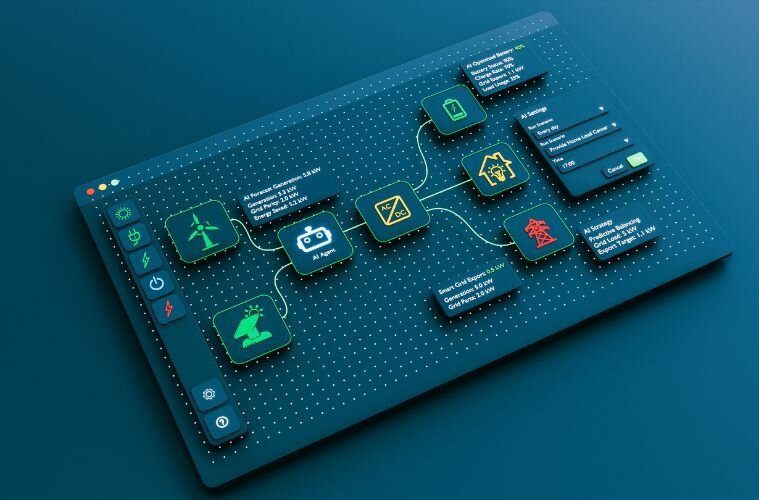
The EU's AccelerateEU plan responds to the Strait of Hormuz closure with fuel, grid, and clean energy actions that affect companies with European operations.

The assumption that power would always be available when a business needed it is no longer reliable — and that shift has consequences that go well beyond the facilities budget.

Investors are asking specific questions about energy access and grid exposure that most ESG disclosures weren't built to answer — and the gap is starting to show up in financing conversations.

Battery risks are rising in hazardous settings as systems scale. Intrinsically safe monitoring helps reduce exposure and improve uptime.

A new global coalition aims to define sustainability standards for AI data centers as energy and water pressures intensify worldwide.

China’s zero-tariff policy for African imports removes barriers, but infrastructure, financing, and production gaps may limit real trade transformation.

Three planning assumptions are quietly breaking down for industrial organizations. Here's what the data shows about the widening gap between energy leaders and the rest.

EPA finalized new pesticide limits today, but a January 2026 analysis of 700 tolerance decisions found the agency applies its child safety factor only 15% of the time.

AI workloads are reshaping how data centers move data. STL’s Neuralis platform focuses on dense fiber and faster deployment to keep pace.

Data centers using 20 megawatts or more would need state approval, decade-long grid contracts, and quarterly water reporting under Vermont's new bill.