

AI data centers are scaling fast, and power is becoming the constraint. GridAI and Amp Z are planning a 5-gigawatt pipeline built around coordinated energy systems.
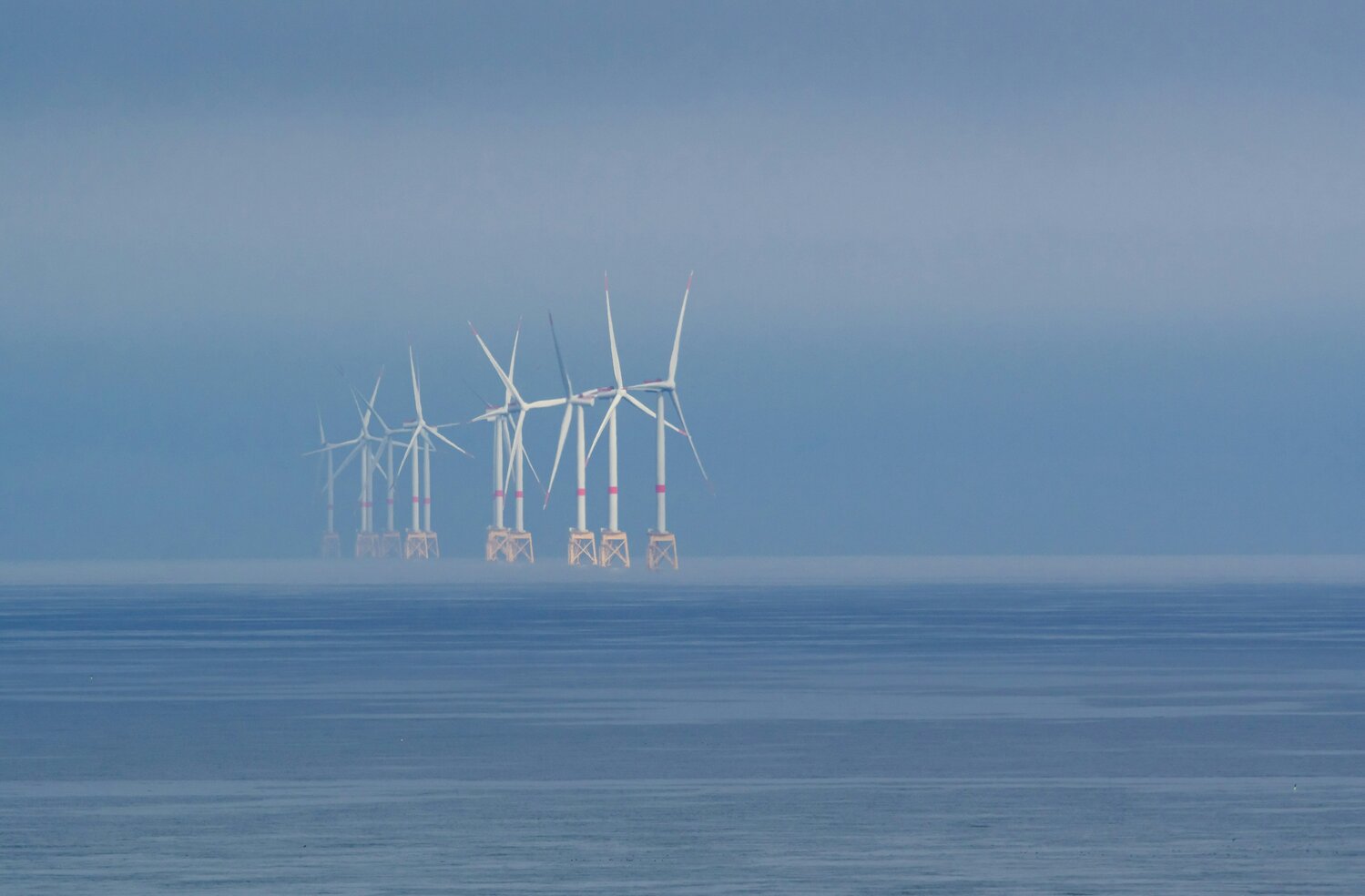
AI demand is pushing power grids and land supply to the limit. Floating wind platforms with built-in data centers could shift compute closer to its energy source.

Westwater Resources has filed a federal water quality permit for its Coosa Graphite Project in Alabama - the largest natural flake graphite deposit in the contiguous United States.

U.S. households hold $83.74B in unused electronics. Better trade-in execution could unlock revenue, speed upgrades, and boost loyalty.

FranklinWH is doubling down on U.S. manufacturing and installer support. At Intersolar, it outlined plans to scale output and expand grid services.

Persistent swings in natural gas and electricity markets are becoming embedded in supplier contracts, altering procurement strategy and long-term cost planning.

A new standardized cybersecurity assessment aims to strengthen resilience and supplier assurance across the global semiconductor manufacturing ecosystem.

AI workloads are driving sharp power swings in modern data centers. New hybrid stabilization systems aim to keep voltage steady in real time.

Aging systems, climate stress, and rising energy demand are exposing gaps in enterprise risk models built for isolated infrastructure failure.

As aging systems converge, maintenance backlogs are creating capital risk, execution constraints, and valuation pressure.

NYPA’s AGILe joins DOE’s grid test bed inventory, expanding national access to system-level grid testing and digital twin capabilities.

Data centers are testing ways to shift and shape power use in real time. As AI ramps up, flexibility could become key to scaling without grid delays.

Quantum mechanics isn’t just theoretical—it’s powering secure networks, sensors, and imaging. Once abstract, it’s now embedded in modern infrastructure.

Supply pressure and permitting constraints are driving renewed interest in wastewater and by-product streams as supplemental sources of recoverable materials.

Solid-state batteries move beyond the lab as a grid-ready module goes live in Spain. The tech could reshape how Europe stores and delivers renewable power.

A new study reveals the energy demands of top games like Free Fire and GTA V. Some titles emit more CO₂ per hour than a small appliance in your home.

Minnesota’s new PFAS rule requires manufacturers to report intentionally added PFAS by July 1, 2026, with detailed product data, fees, and annual updates.

Ascent Solar raises $2M to support operations as demand grows for flexible thin-film PV in space, defense, and industrial applications.
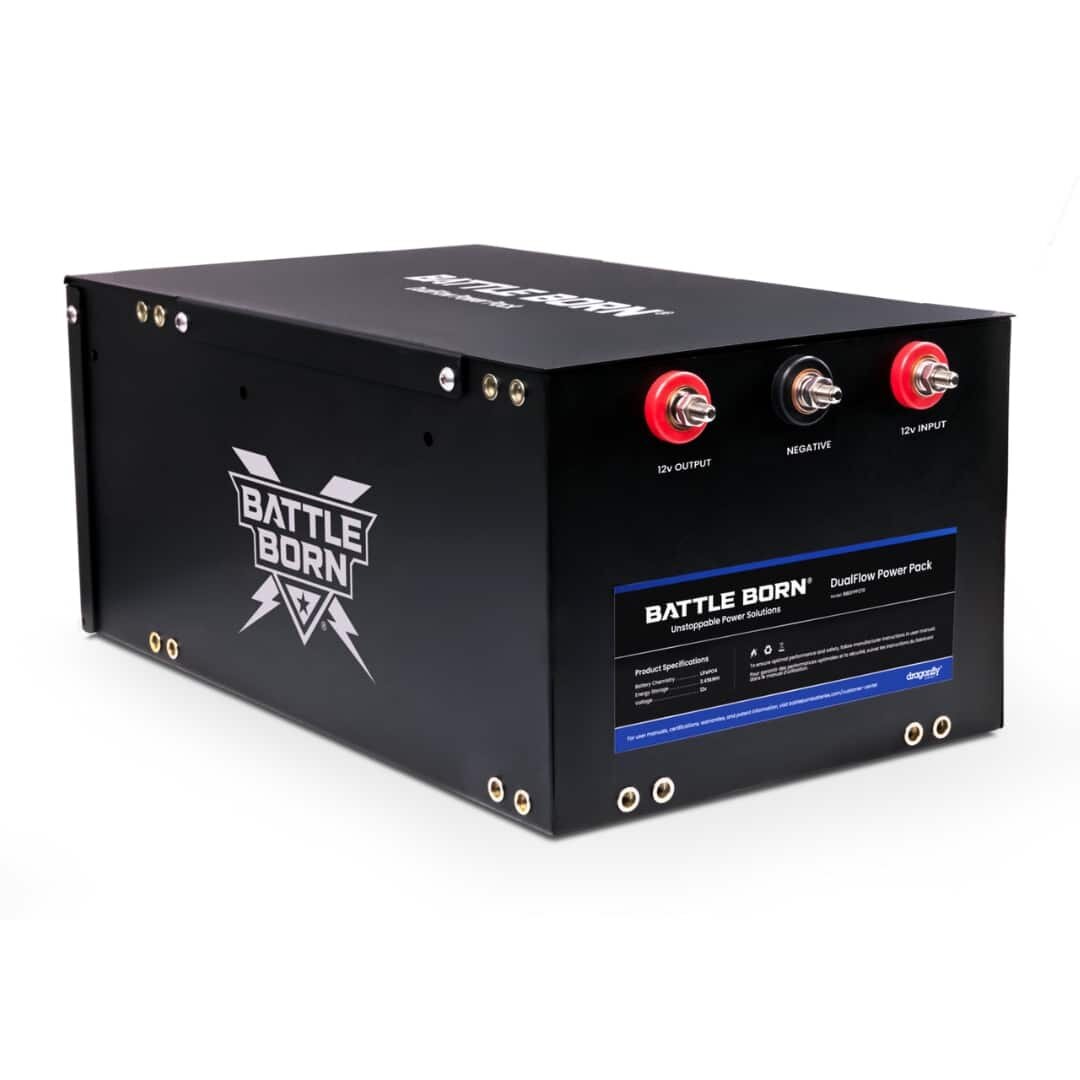
Werner Enterprises is adopting lithium idle-reduction units from Dragonfly Energy. The move supports lower fuel costs, emissions, and better driver comfort.

Shell and Natrx are scaling modular, nature-based systems to protect coastlines. The collaboration blends ecological design with real-world deployment.