

Recent self-driving vehicle incidents highlight both the promise and limits of autonomous technology as executives weigh sustainable transportation strategies.

Flint’s paper battery tech is now in production, moving beyond R&D. The startup’s safer, PFAS-free cells are ready for pilots and early deployments.

Seventeen states sue USDOT over reversing federal transportation performance standards, arguing the move disrupts infrastructure planning and long-term investment.

Vulcan Energy has tapped ABB to electrify its Lionheart lithium project. The geothermal-powered site aims to supply 500K EVs with low-carbon battery materials.

Fort Collins Transit will replace six aging CNG buses with FTA-funded low-emission models, improving service reliability and reducing NOx and PM emissions.

Peterbilt launches three new medium-duty EVs built for delivery, utility, and vocational fleets. Fast charging and versatile specs support real-world demands.

Silicon-heavy anodes and nickel-rich cathodes are set to disrupt Li-ion markets. Performance, cost, and sustainability will shape the next wave of innovation.

California is opening the door to E15 fuel, aiming for cleaner air and cheaper gas. Early tests show lower emissions, but full rollout depends on regulators.
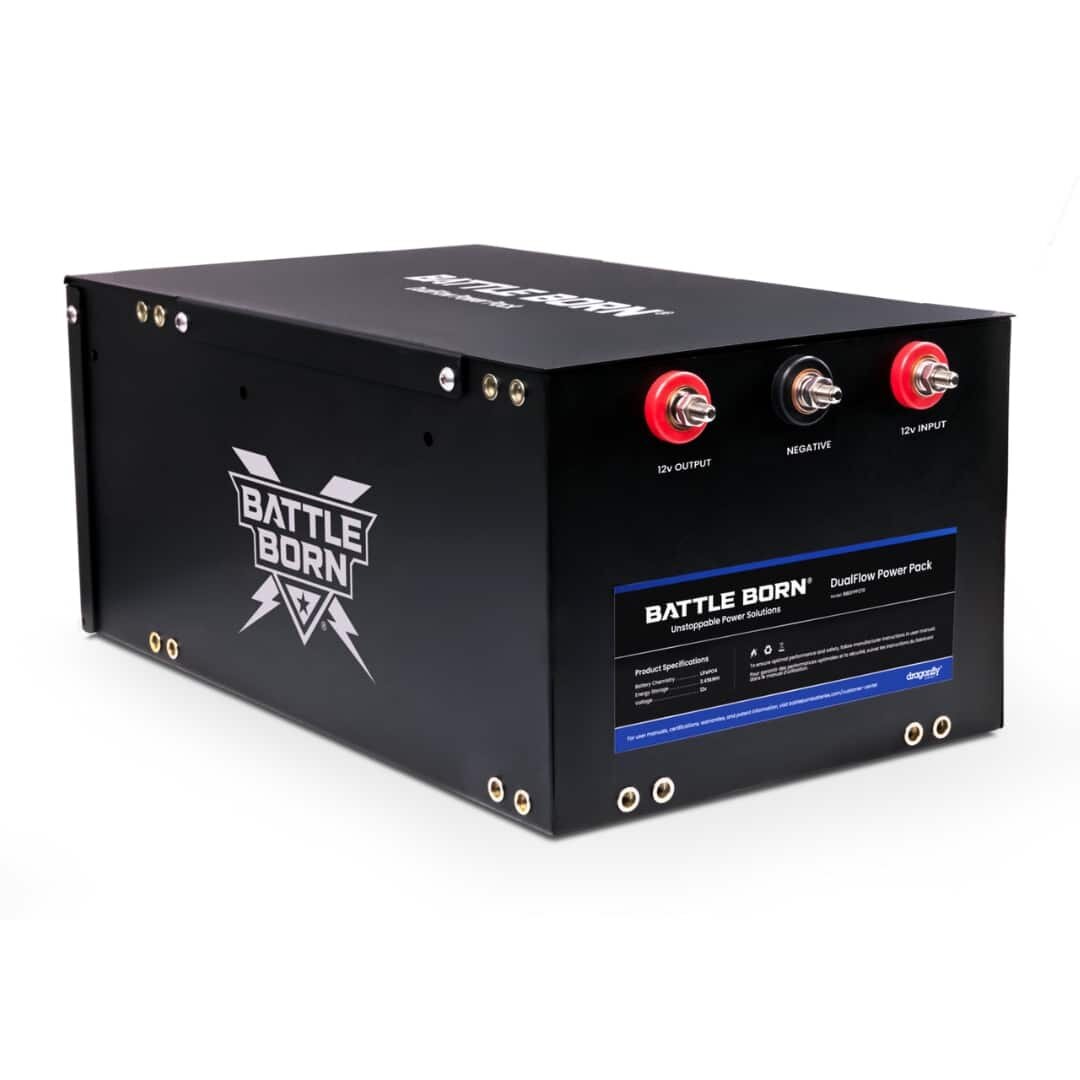
Werner Enterprises is adopting lithium idle-reduction units from Dragonfly Energy. The move supports lower fuel costs, emissions, and better driver comfort.

Global energy-transition investment hit $2.4T in 2024, but renewable growth slowed sharply, raising concerns about staying on track for 2030 climate goals.

GridBeyond has launched a PJM demand response program offering a 10-year guaranteed floor of $73,000 per MW-year with a 100% revenue share. The model provides predictable income, shields participants from market volatility, and strengthens long-term grid reliability.

The Colville Tribes are taking charge of their energy future with microgrids that boost reliability, support critical services, and open paths to new revenue.

A new solid electrolyte could make sodium batteries safer and cheaper. Researchers in Canada have found a way to boost performance without using lithium.

Air Liquide has deployed hydrogen-powered trucks in the Netherlands, cutting transport emissions and advancing hydrogen mobility supported by the SWiM program.

The LEPAS L8 isn't just efficient—it’s engineered for floods, crashes, and unpredictable roads. A hybrid built to endure where other EVs stall.

Global EV-battery plant capacity now far exceeds demand—leading to cost pressure, consolidation and strategic shifts in the industry.
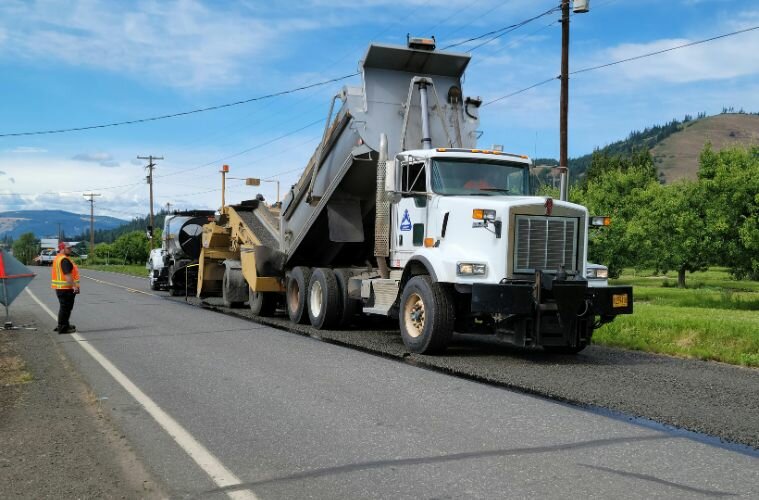
HB 3991 makes EV and hybrid drivers pay per mile, ends Oregon’s toll program, and adds stronger ODOT oversight to stabilize road funding and project delivery.

Family Laundry’s solar-powered EV fleet reduces costs and emissions while advancing Oakland’s equitable climate goals with community partnerships.

A new metallic gel from Texas A&M stays stable at 1,000°C and holds liquid metal in place—paving the way for mobile liquid metal batteries at last.

Australia’s Yangibana JV will supply rare earths to Ucore in the U.S. The deal supports local processing and cuts reliance on China’s refining dominance.