

Colorado SB 102, which would have required data centers to pay full grid costs and meet emissions targets, was voted down unanimously May 11. Other states are hitting the same wall in 2026.

Extreme weather is pushing power grids to their limits — and AI data centers are especially vulnerable. Here's how grid-aware infrastructure and intelligent workload scheduling can keep operations running when it matters most.

Project Jupiter is moving to a fuel cell microgrid. The shift highlights how AI data centers are rethinking power, water and local impact.

The companies that built their energy strategy around efficiency are discovering a gap between what that strategy promised and what it has delivered.

Ohio SB 103 is now law, letting natural gas utilities offer alternative rate plans to large industrial users consuming over 1.2 million Mcf annually.

BioMADE is backing 14 projects with $21.4M in funding. The focus is practical: recover critical materials, improve bio-based production and train workers.

A 40,000-acre hyperscale data center and power generation campus cleared its first regulatory hurdle in northern Utah this week.
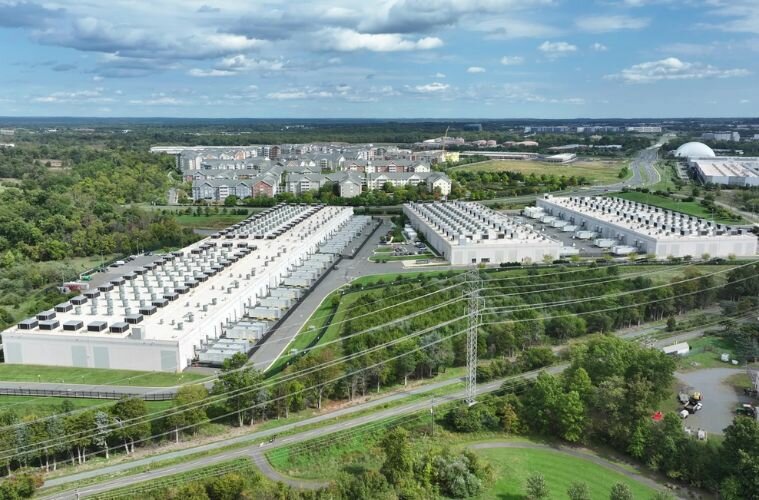
The arithmetic of corporate energy efficiency has stopped working for a growing number of technology-intensive companies.

Mosaic SoC has raised $3.8m to support lower-power spatial awareness. Its chips target wearables, AR glasses and phones where battery life is critical.

AI infrastructure build-out is running into a constraint capital can't solve: the grid can't deliver megawatts as fast as investment wants to move.

Uranium demand is rising, but supply remains slow to respond. A Saskatchewan project is testing whether faster development can help close the gap.

Utility capacity warnings are no longer background noise. For facilities leaders, they're now a direct constraint on where and when expansion is possible.

The assumption that power would always be available when a business needed it is no longer reliable — and that shift has consequences that go well beyond the facilities budget.

Investors are asking specific questions about energy access and grid exposure that most ESG disclosures weren't built to answer — and the gap is starting to show up in financing conversations.

Battery risks are rising in hazardous settings as systems scale. Intrinsically safe monitoring helps reduce exposure and improve uptime.

A new global coalition aims to define sustainability standards for AI data centers as energy and water pressures intensify worldwide.

AI workloads are reshaping how data centers move data. STL’s Neuralis platform focuses on dense fiber and faster deployment to keep pace.

Data centers using 20 megawatts or more would need state approval, decade-long grid contracts, and quarterly water reporting under Vermont's new bill.

Maine voted 21–13 to ban permits for data centers drawing 20MW or more through 2027 while a new state council evaluates grid and ratepayer impacts.
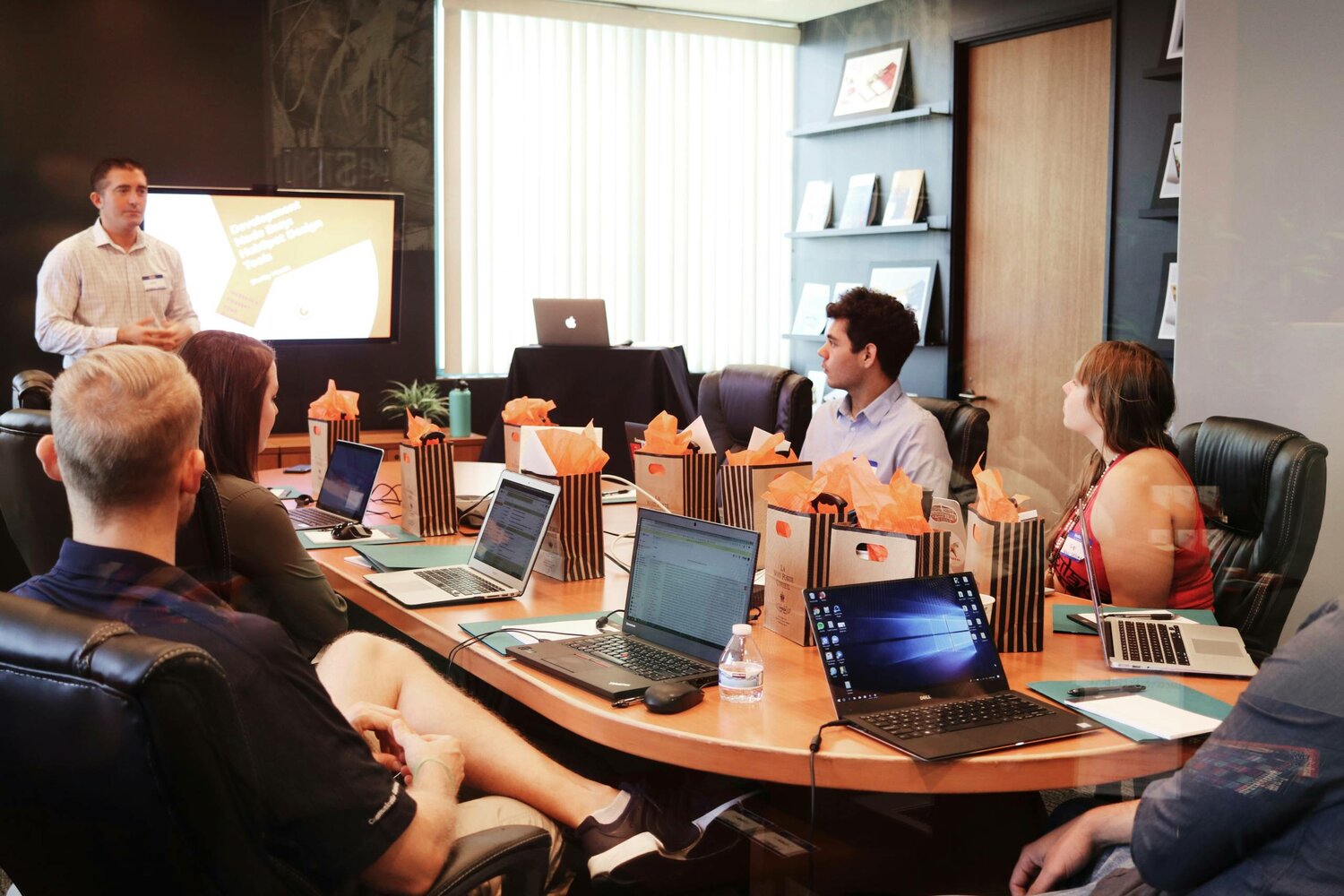
Artificial intelligence is advancing rapidly across healthcare, finance, and public policy, but experts gathering at the University of North Carolina at Chapel Hill say the technology’s trajectory remains defined by competing forces: breakthrough innovation, workforce disruption, and unresolved questions around privacy and accountability.