
For years, uncertainty justified delay. Increasingly, uncertainty itself is becoming the cost organizations can no longer afford to absorb.

The projects moving forward in the second half of 2026 are increasingly defined by infrastructure readiness, permitting certainty, and execution feasibility rather than projected returns alone.

The biggest risk entering H2 may not be execution. It may be relying on planning assumptions that no longer reflect operating conditions.

Meta will buy attributes from two planned Sabanci solar projects. The Texas deal adds 220 MWac as data center power demand grows.

Power, water, permits, and capital are tightening simultaneously on the same projects. Executives need a framework for operating inside converging constraints, not resolving them one at a time.
Governor Meyer is pushing Delaware's PSC to freeze rates and restructure Delmarva's profit model as the utility seeks $68M in additional revenue from 344,000 customers starting July 9.
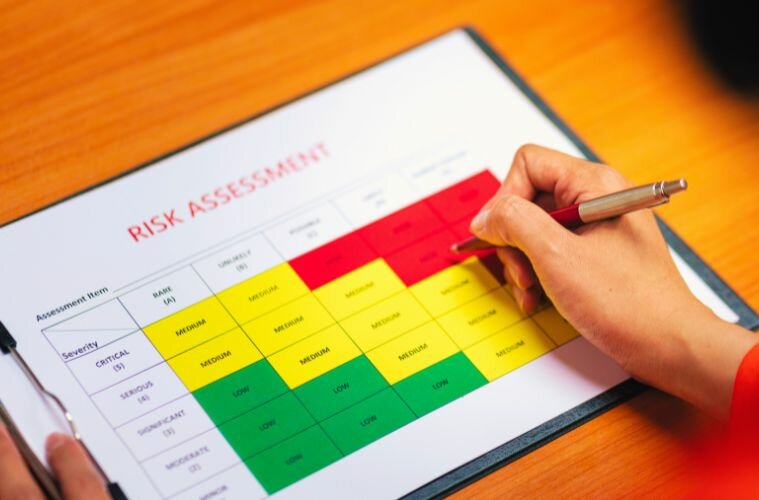
Heat enforcement, grid constraints, supply chain exposure, and AI infrastructure demands altered corporate risk profiles in Q2. Many companies are still operating from outdated assumptions.

Water availability alone doesn't determine data center viability. Learn how NPDES permitting and Clean Water Act thermal discharge requirements can affect site selection, project timelines and cooling system design.

Trade tensions, AI infrastructure growth, and resource constraints are forcing executives to rethink assumptions about supply chains and competitive advantage.

Capital stalled, compliance maps got harder, and supply chain pressure formalized. Executives who planned for Q2 resolution need a different framework going into the second half.
Power is no longer just an operating cost. In 2026, electricity availability is shaping investment decisions, facility expansion, and corporate growth.
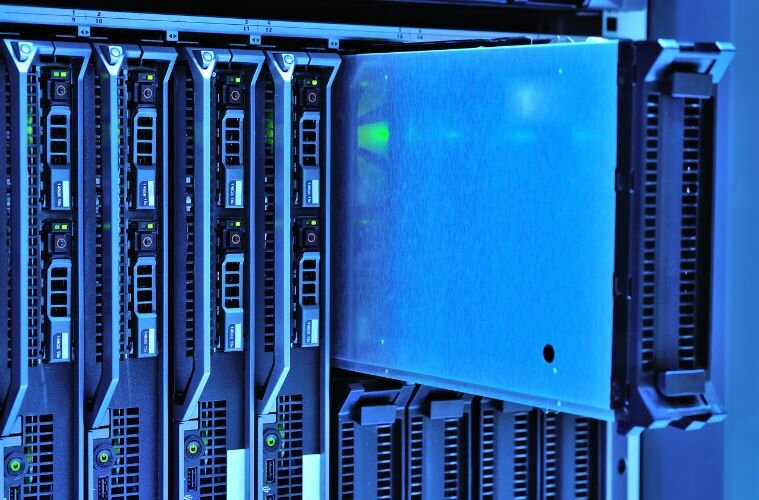
The Justice Department seeks dismissal of an NAACP Clean Air Act lawsuit against xAI, raising broader questions about enforcement authority and AI infrastructure.

In the 2024 through 2025 delivery year, PJM's capacity auction cleared at 28.92 USD per megawatt-day . The 2025 through 2026 auction increased drastically to 269.92 USD, and the 2026 through 2027 …
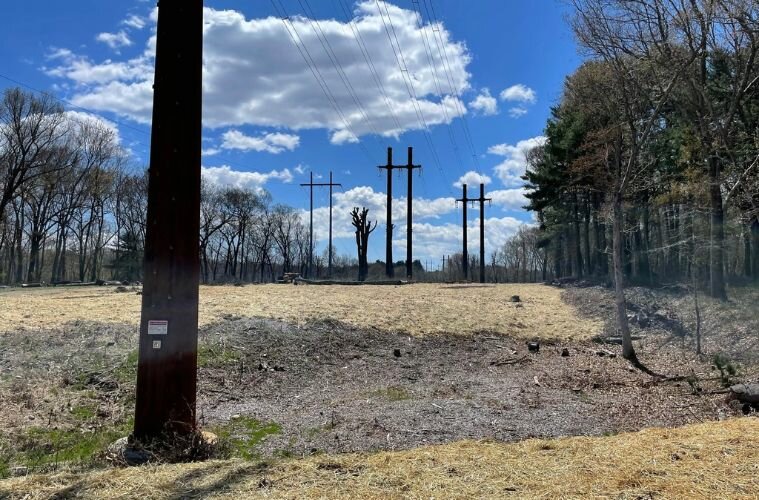
A Rhode Island bill would reopen questions about utility-owned generation, storage, reliability, and who should build the power system needed for demand growth.
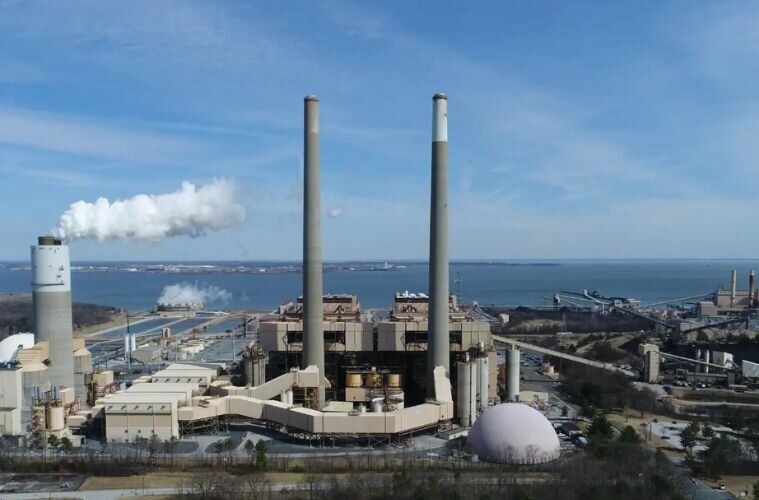
PJM and Talen Energy have filed at FERC to extend the Brandon Shores and H.A. Wagner reliability-must-run agreement to May 2031, citing transmission delays driven largely by data center load growth.

When NV Energy chose to divert power to newly built data centers, Liberty Utilities was left with less than a year to find a new electricity source for 49,000 Lake Tahoe residents. The real culprit isn't data centers — it's a centralized grid that wasn't built for modern energy demands, and a decade of missed opportunities to build local generation capacity.

AI growth is reshaping data center design. A new framework gives operators a clearer path for managing power, cooling and uptime.

A Verdantix survey of 350 energy leaders found energy price volatility is now the top obstacle. Companies treating resilience as backup power are carrying growing competitive exposure.

Colorado River storage is shrinking. Businesses face tighter water planning, higher supply risks and fewer buffers against dry years.

Global energy transition investment hit $2.3 trillion in 2025. But capital is concentrating in data centers and a few large managers, leaving most clean energy deals competing for less.