

The EPA has approved North Dakota’s coal combustion residuals permit program, transferring CCR oversight from federal to state authority under RCRA section 4005(d).

DOE announces $100 million to refurbish coal plants, drawing criticism from environmental groups who warn the funding undermines clean energy progress.

The Iowa Department of Natural Resources finalized a discharge permit for the Ottumwa Generating Station, a coal-fired power station, after months of opposition from members of the public and environmental groups.

Most U.S. utilities with climate pledges are failing. Many are backtracking on targets, exposing greenwashing and leaving customers with higher costs.

Illinois introduces legislation extending coal plant deadlines for zero-emission targets to 2035, easing business costs but delaying health protections for nearby communities

A California startup has found a way to turn manure into jet fuel. Their compact, electric system could reshape both aviation and farm waste economics.

Texas may face a 40 GW power gap by 2035 as energy demand spikes. Data centers, EVs, and water shortages are testing the grid’s ability to keep up.

Low-wind, low-solar periods are straining Europe’s power grid. A new study reveals how weather-driven energy gaps are reshaping electricity markets and policy.

A new climate standard demands banks stop funding new fossil projects now and end broader support by 2030. The move could reshape trillions in global capital.

SBTi launches a science-based Net-Zero Standard for financial institutions, guiding banks, investors, and insurers to align capital with 1.5°C climate goals.

Interior begins H.R. 1 implementation with new leasing rules, reduced royalties, and fast-tracked fossil fuel development across U.S. public lands.
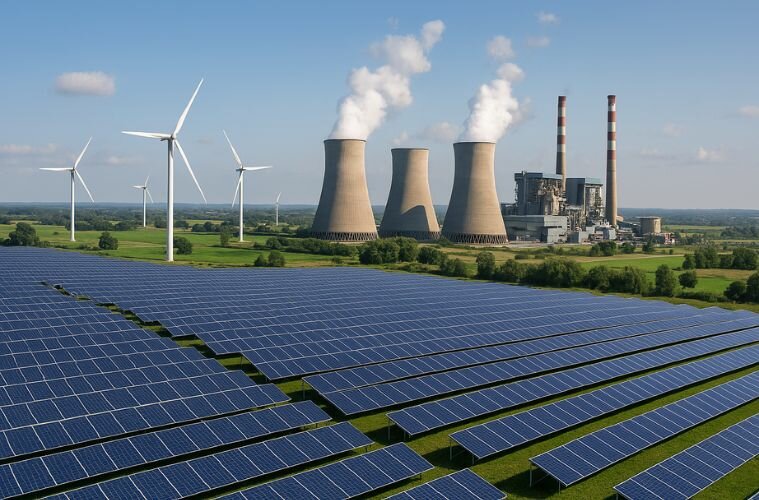
China has become the world’s first "electrostate," shifting from fossil fuels to a fully electrified economy powered by solar, wind, and battery storage. Yet, its continued coal expansion highlights the challenges of balancing growth with decarbonization.
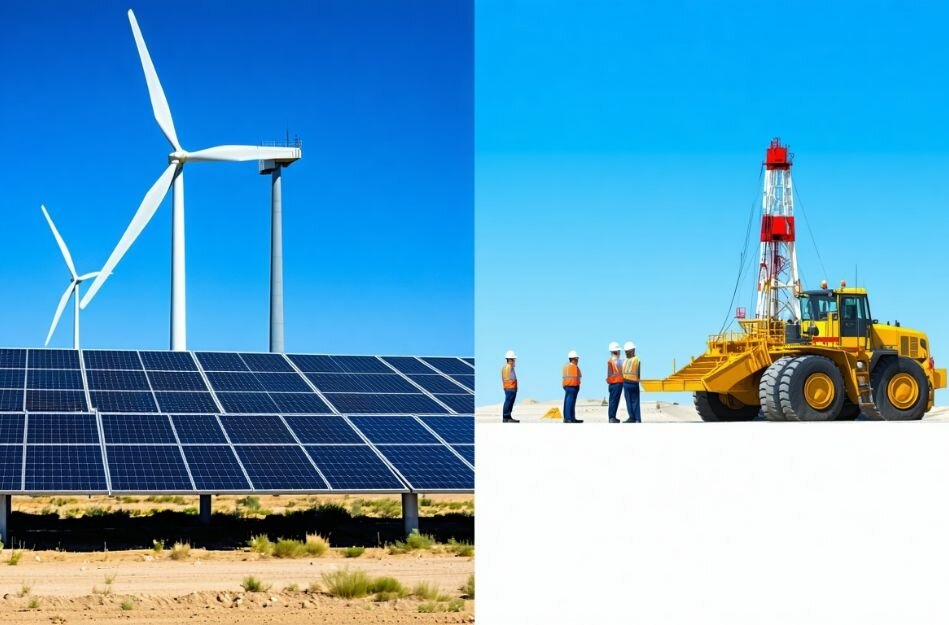
The Bureau of Land Management (BLM) announces major energy policy changes, including rescinding renewable energy incentives, streamlining oil and gas leasing, and fast-tracking permits.

From coal plant conversions to solar co-location, Georgia Power’s battery strategy highlights the evolving role of storage in utility-scale energy planning.
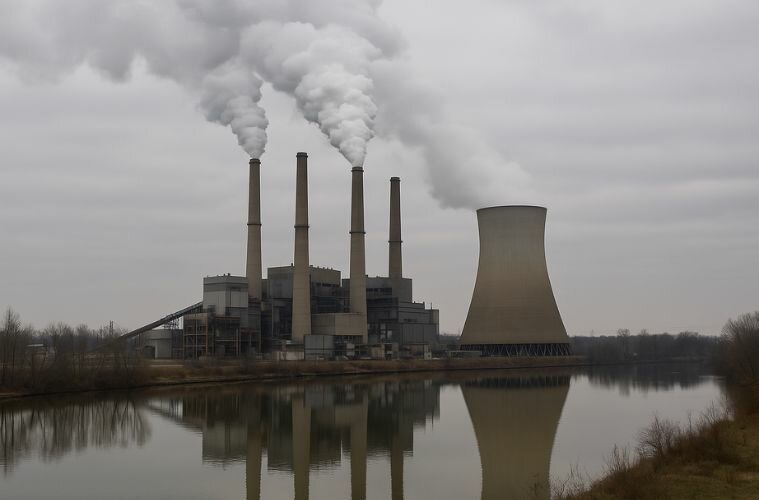
Sierra Club's new dashboard highlights how Indiana coal plants may bypass pollution cuts under Trump-era EPA rollbacks, raising utility and public health concerns.
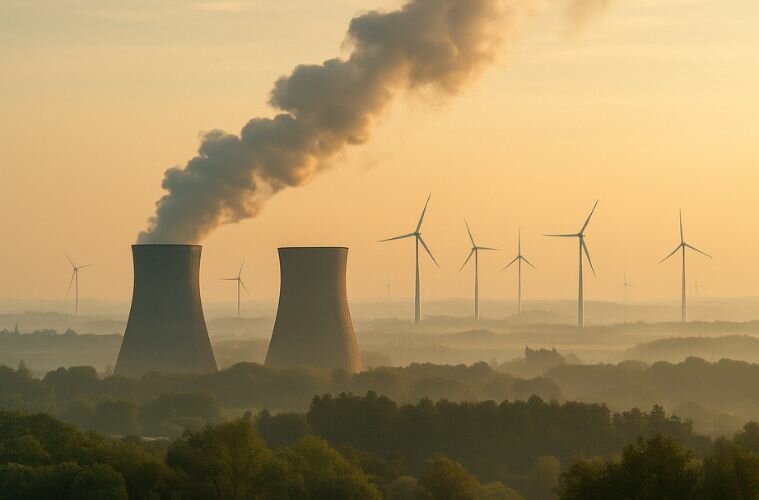
China’s power sector surged with solar up 30.8% and coal down 3.3%, but air pollution in key provinces continues to exceed national safety limits.
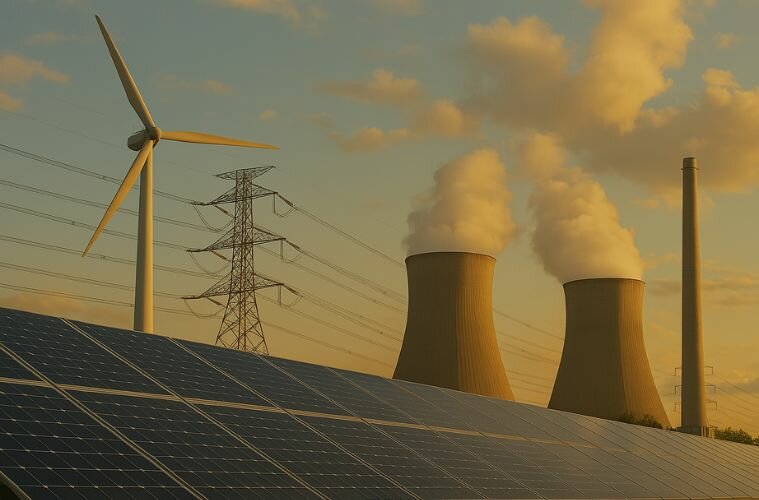
Tennessee redefines “clean energy” to include gas, nuclear, and waste-to-energy—fueling a partisan clash over local control and environmental standards.
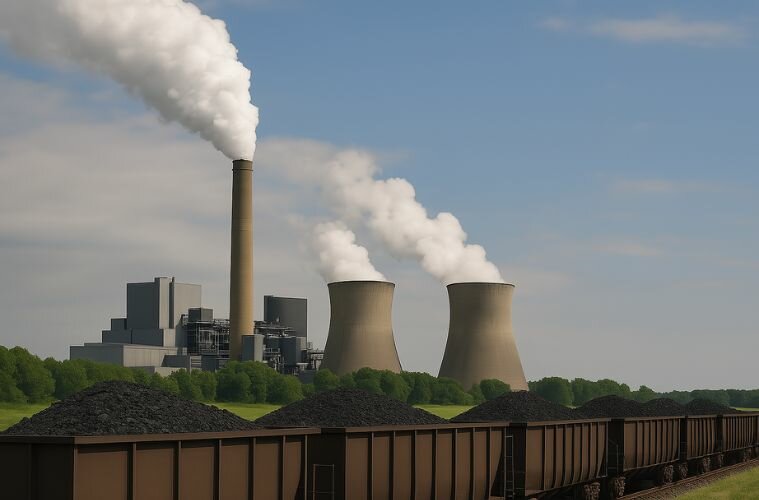
As federal energy policy pivots toward coal, companies face new hurdles balancing sustainability goals, stakeholder expectations, and compliance.

As reporting deadlines hit, the EU’s methane rule is shifting from policy to pressure point—forcing global energy suppliers to prove compliance or risk exclusion.
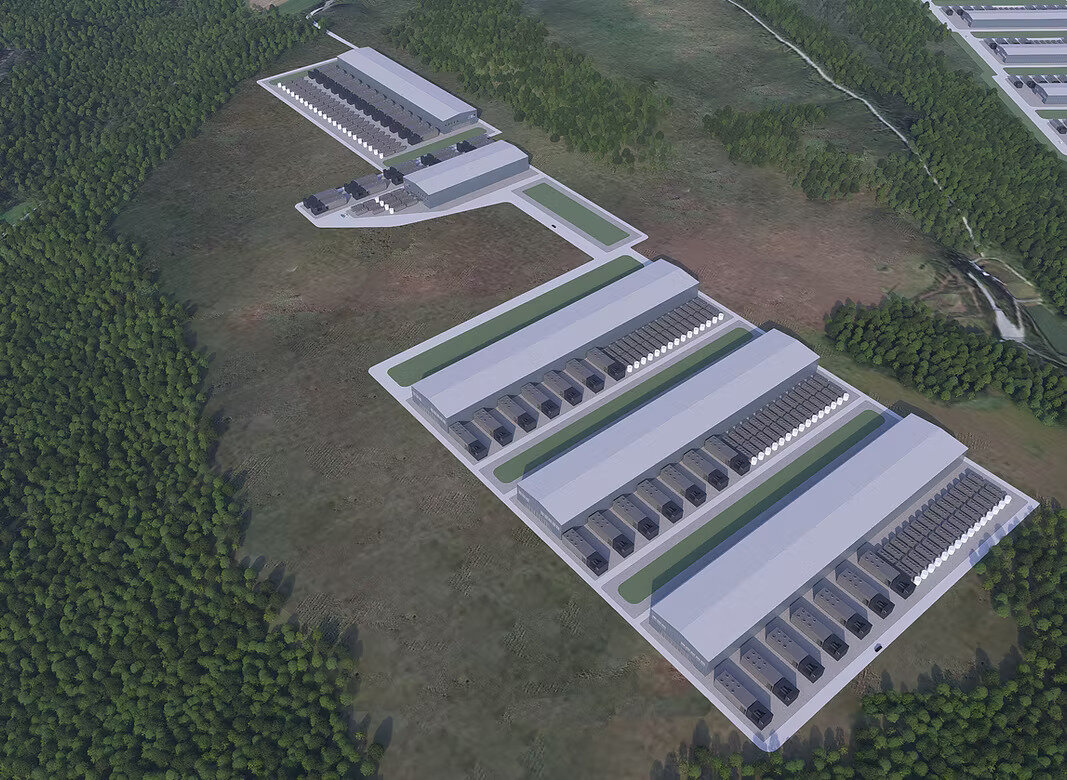
Pittsburgh is converting a former coal plant into a 4.5 GW data center. The gas-fueled site will support AI and high-performance computing.