
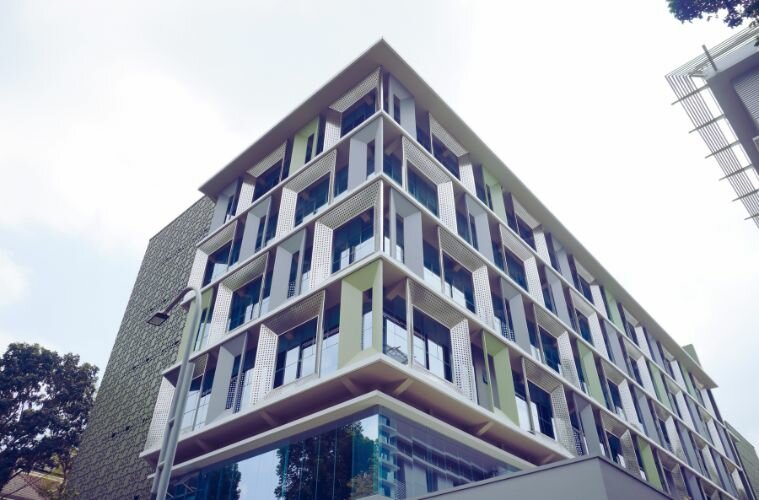
As buildings electrify and demand shifts, facilities teams are encountering infrastructure limits that were never designed to absorb today’s loads.

A new molten-salt reactor project aims to desalinate produced water while generating power. The Permian pilot could redefine industrial infrastructure.

Data centers are testing ways to shift and shape power use in real time. As AI ramps up, flexibility could become key to scaling without grid delays.

Restoring low-yield peatlands may deliver climate benefits within decades. New research challenges old assumptions on emissions, land use, and restoration timelines.

TeraWulf’s Kentucky and Maryland acquisitions add 1.5 GW of capacity, reflecting how power availability and grid integration are reshaping data infrastructure development.

Short drone videos and wave analysis now enable fast, affordable current tracking. This new method skips radar and buoys—just video, math, and real-time insight.

Most Americans believe in climate change and feel its effects. Quiet concern is growing—and businesses are being judged on how they respond.

A new UC Riverside facility converts ag and forest waste into dissolving pulp using cleaner chemistry. The CELF process cuts energy use and toxic byproducts.

Nanoplastics don't just float—they deliver toxic tire chemicals like 6PPD into fish tissues. The result? Greater damage to eyes, vision, and aquatic ecosystems.

Sappi’s CDP Forests A score highlights how credible sustainability data is increasingly used to support procurement, investment, and regulatory decisions.
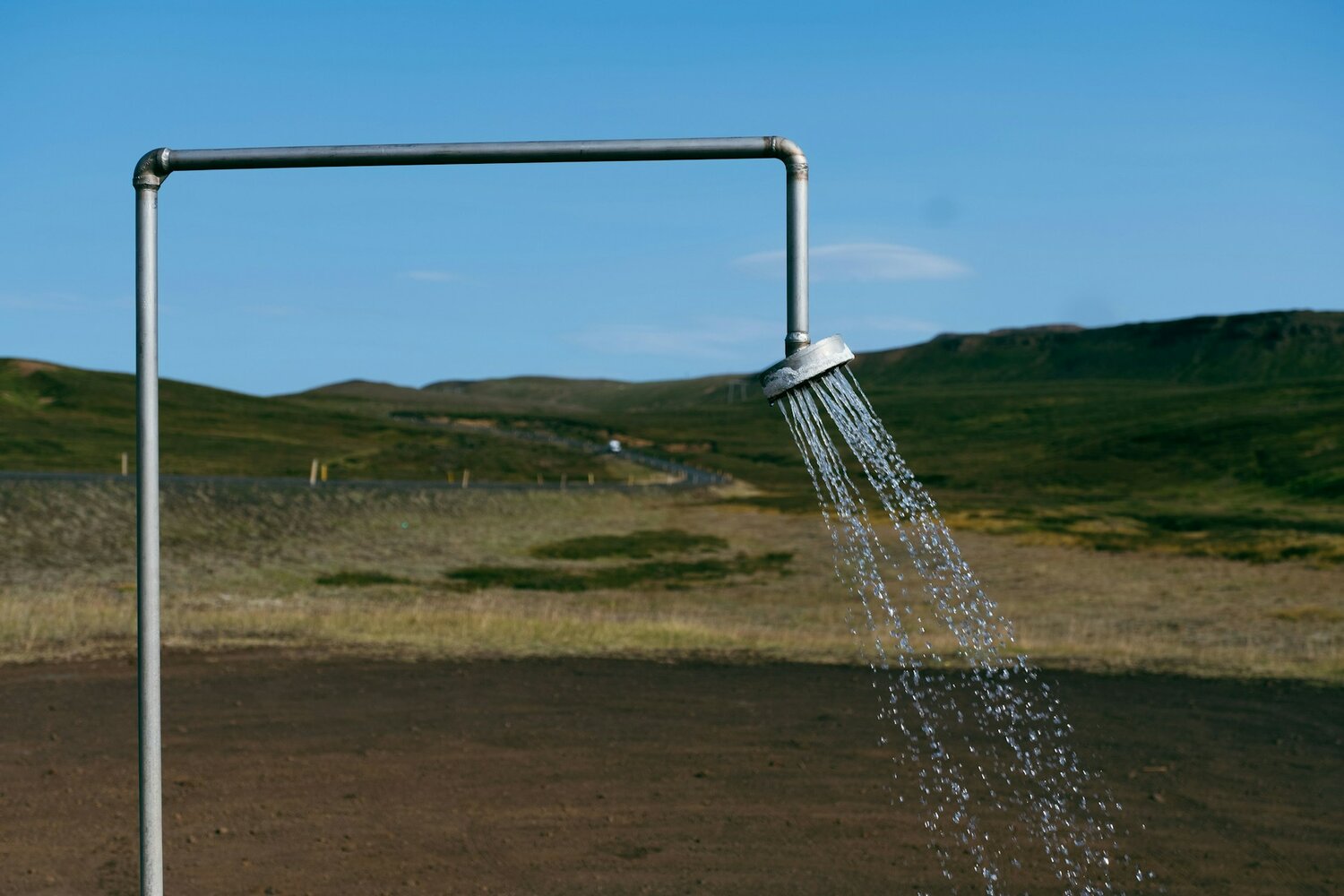
Water is now a strategic risk, not just a utility. A new index from Ecolab and CDP offers companies a way to measure and manage water use with real benchmarks.

As compliance pressure intensifies in early 2026, risk is moving beyond internal systems and into supplier relationships.

Once abandoned, Seattle’s Metropole Building now runs at ultra-low energy use. Its revival shows how cities can cut carbon without erasing their past.

Climate disasters are triggering insurance premium shock, signaling rising operational risk before policy, enforcement, or capital markets adjust.

At Davos, climate risk discussions moved from reporting frameworks to operational reality, raising new expectations for how documented risks are managed.

A WEF report shows women’s health remains underfunded even as climate stress and disclosure expectations increase exposure across systems.

Emergency orders are no longer rare responses. As infrastructure strain persists, temporary measures are becoming operational norms—with implications for planning and risk.

Proposed changes to the Natural Gas Act could reshape LNG export reviews and timelines.

A new alliance aims to unify methane monitoring from orphaned wells to active sites. The goal: consistent, auditable data across environmental and industry use.

Research highlights how indoor air risks tied to human activity often bypass formal regulation, leaving organizations to manage exposure internally.