

U.S. farmers are pairing solar panels with crops to stabilize income. Agrivoltaics keeps land productive while generating clean energy.

The Chesapeake Bay scored a C in 2025, down 5 points. Long-term trends show improvement, but climate extremes and equity gaps pose new challenges.
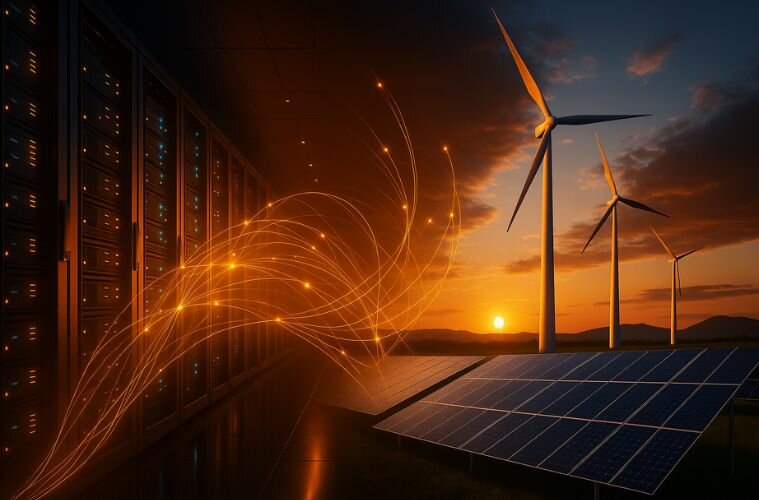
AI's rapid growth is driving energy demand—and climate risk. But smarter tech, efficient design, and global collaboration could make AI a key climate ally.

David Fotouhi’s Senate-confirmed role as EPA Deputy Administrator is under scrutiny due to past industry ties, raising questions about future environmental regulation.
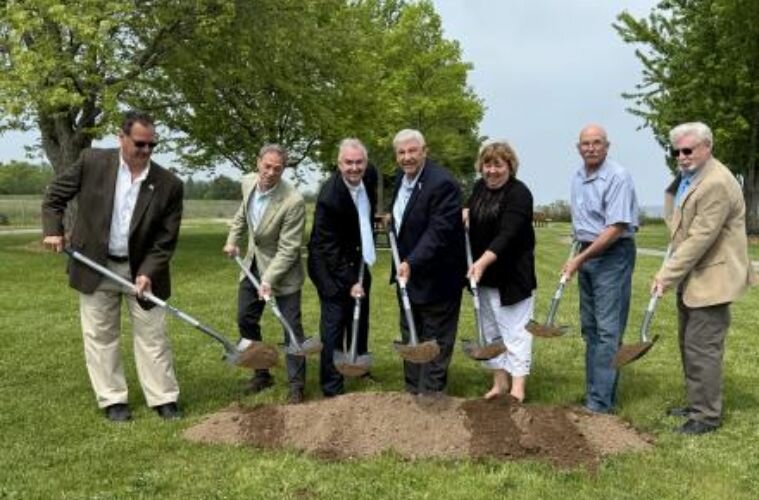
New York invests $13M to protect Lake Ontario, enhance flood resilience, and modernize public sanitation.

Despite the growing body of scientific evidence, the report reveals significant voids in our understanding.

A new model predicts submarine landslides with better precision. It updates risk as data comes in—cutting cost and boosting safety.

As droughts intensify, new modeling tech shifts water planning from reactive to strategic. It's a smarter way to manage scarcity at scale.

Europe’s forests are under pressure, but siloed monitoring hinders action. A new strategy calls for unity to close data gaps at scale.

A four‑class system for Paris compliance—from Target‑1.5°C to Exceedance‑2°C—simplifies complex climate data into clear, actionable policy metrics.

Environmental concerns and outdated zoning challenge waterfront development in Hudson, New York, prompting calls for stronger industrial oversight.
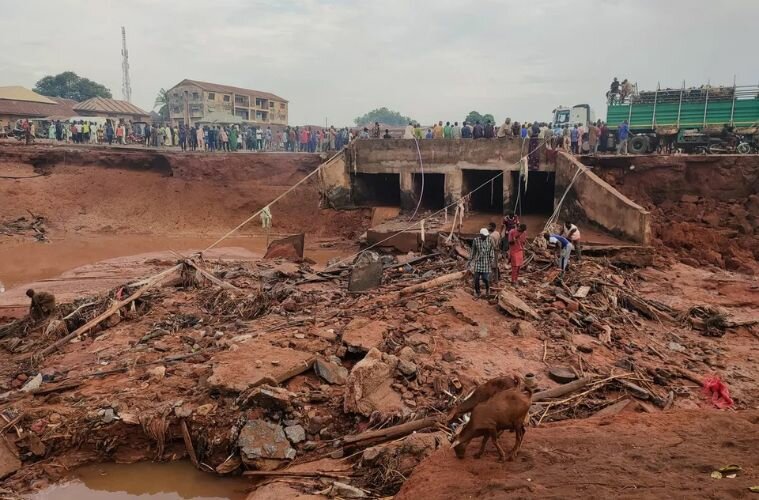
The increasing severity of flooding in Nigeria is directly linked to rising global temperatures and changing rainfall patterns.
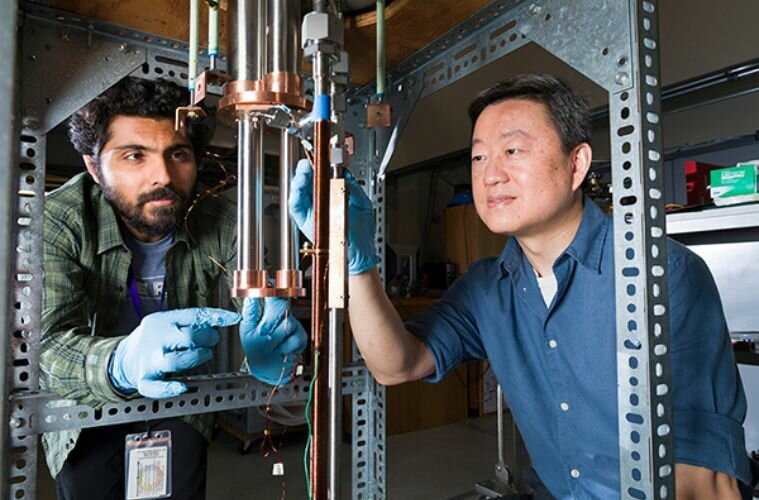
FAMU-FSU engineers unveil an integrated cryogenic hydrogen storage and cooling system powering a rapid zero-emission aviation toward commercial reality by 2035.

ML-powered climate forecasts drive resilient strategies to combat extreme weather, boost sustainable agriculture, and enhance disaster preparedness.

Half of Gen Z and millennials say they’re burned out. But they’re still showing up—and they want work that actually means something.

Following a historic drop, hydropower output in the Northwest is forecast to increase 17% in 2025 due to stronger precipitation, though totals remain below the 10-year average.
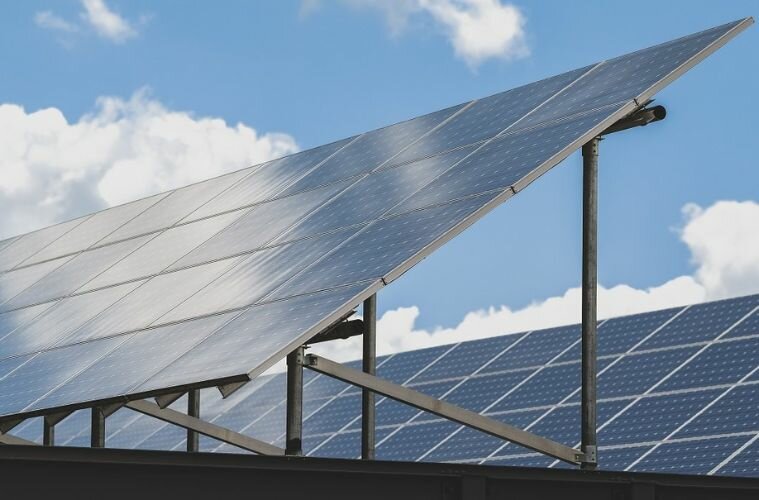
Virginia Tech advances its Climate Action Commitment with a 2.1 MW solar project, reducing emissions and expanding renewable energy education for students.

Explore how EHS and ESG are converging in 2025. Discover expert insights on climate risk, circularity, safety tools, and compliance.
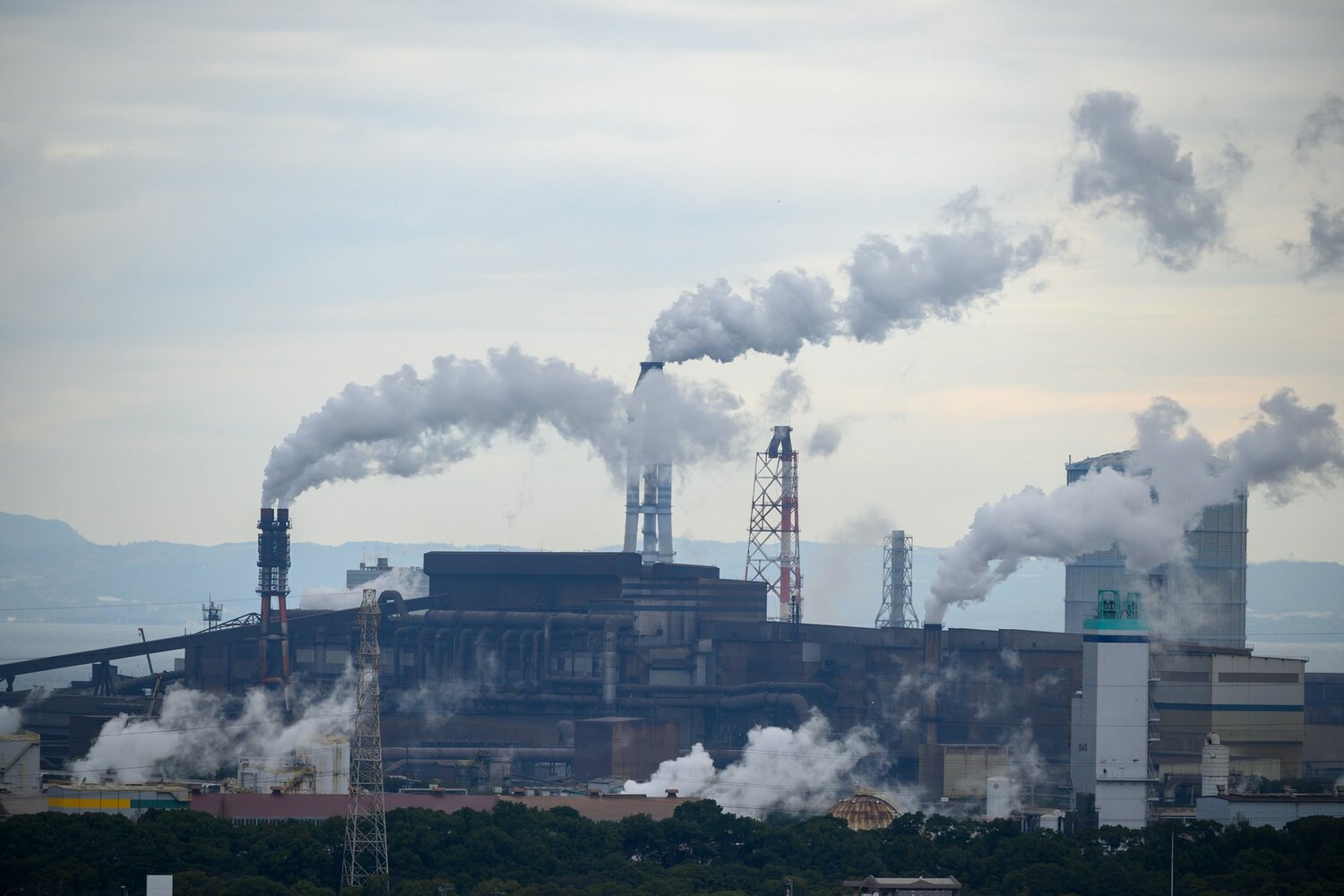
Air and water pollution are driving up compliance costs in key states. Businesses face mounting risks that impact quality and operations.
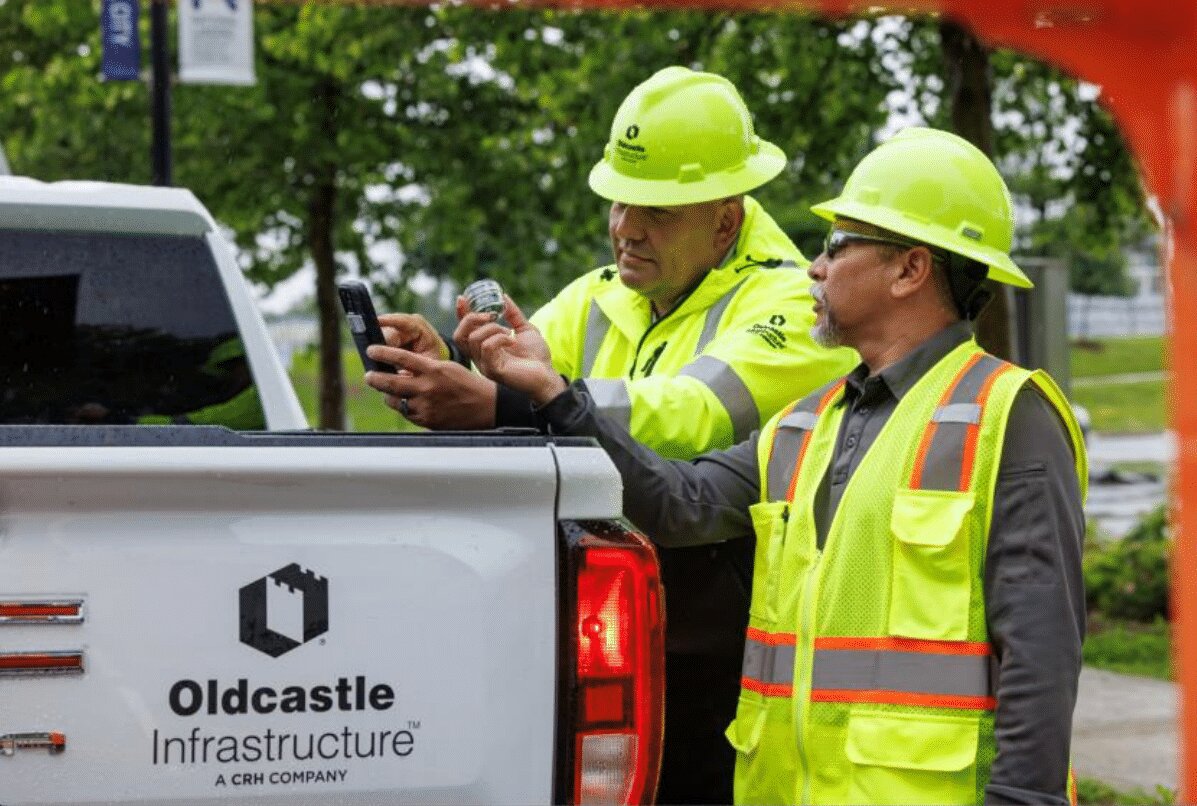
Water loss costs U.S. municipalities $8B a year. See how CivilSense™ uses AI to identify leaks and protect drinking water in communities like Bartow County, GA.