

House Bill 15 promotes power generation, affordability, and regulatory transparency—but faces pushback from utilities and environmental advocates.

According to the International Energy Agency, shifting freight from road to rail and investing in cleaner rail technology could reduce global transport CO₂ emissions by nearly 10% by 2050.
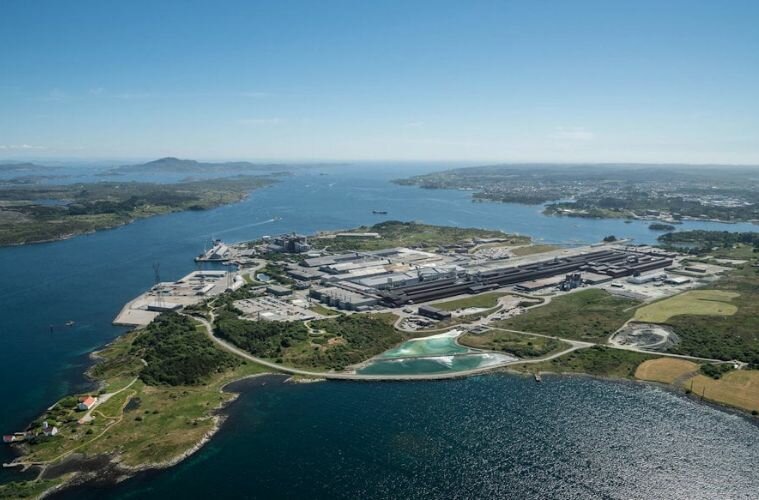
Hydro commits $154M to boost low-carbon aluminium output in Norway, supporting Europe’s critical power grid and renewable energy infrastructure.
A new energy generation project, like a solar or wind farm, that needs a federal permit takes an average of 4.5 years to secure it. Some projects’ permit wait time is more than a decade.

Brockton is updating historic buildings with energy-saving upgrades. The project preserves heritage while cutting long-term utility costs.
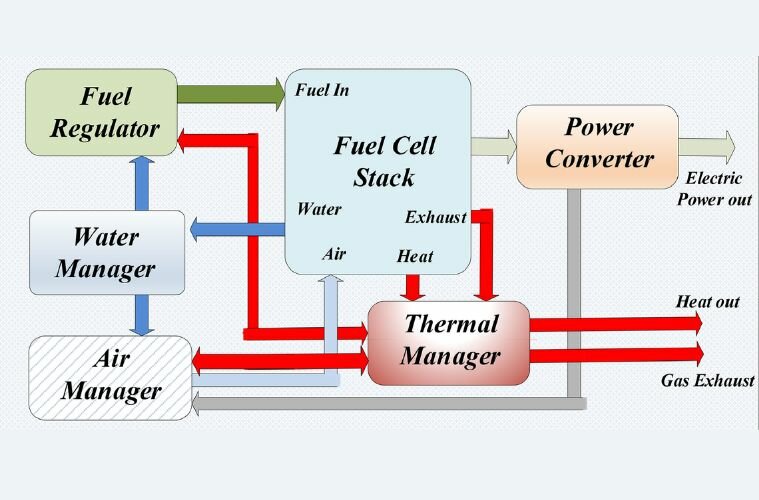
Fuel cells cut CO2 emissions by up to 40% and boost grid efficiency by 30%, making them essential for resilient, off-grid power in a decarbonizing world.

Australia invests in green hydrogen, backing CIP’s Murchison project to boost exports, create jobs, and support global decarbonization efforts.

ZOOZ Power launches new energy storage and upgraded management systems to cut EV charging costs, boost efficiency, and expand global market presence.

WMO’s 2024 climate report shows record global temperatures, rising sea levels, and surging emissions, signaling mounting risks to ecosystems and economies.
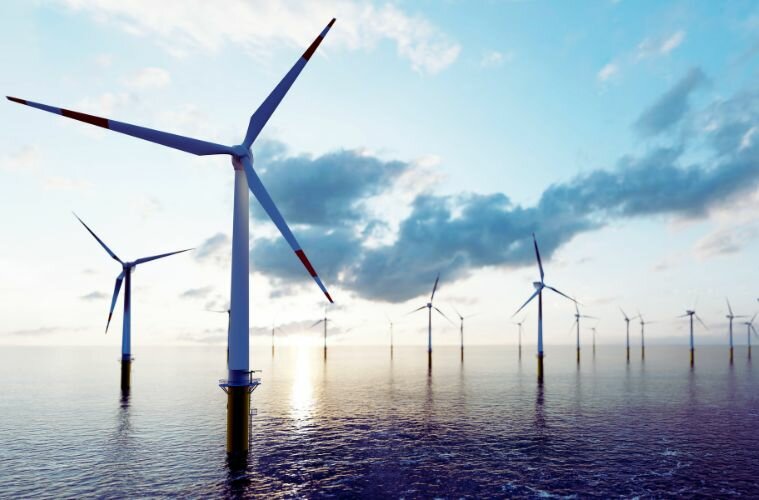
The EPA has withdrawn the Clean Air Act permit for Atlantic Shores Offshore Wind, citing environmental concerns and a federal directive for comprehensive review.
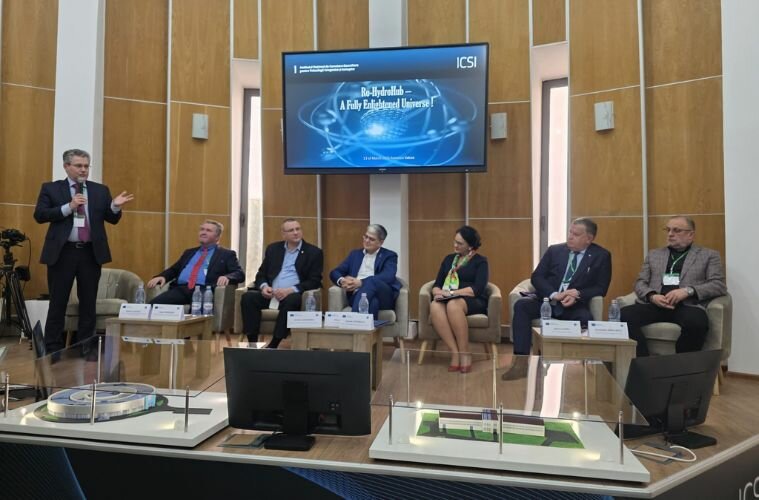
Romania’s new $152M hydrogen hub will drive innovation in production, storage, fuel cells, renewables integration, tech transfer, and workforce training.
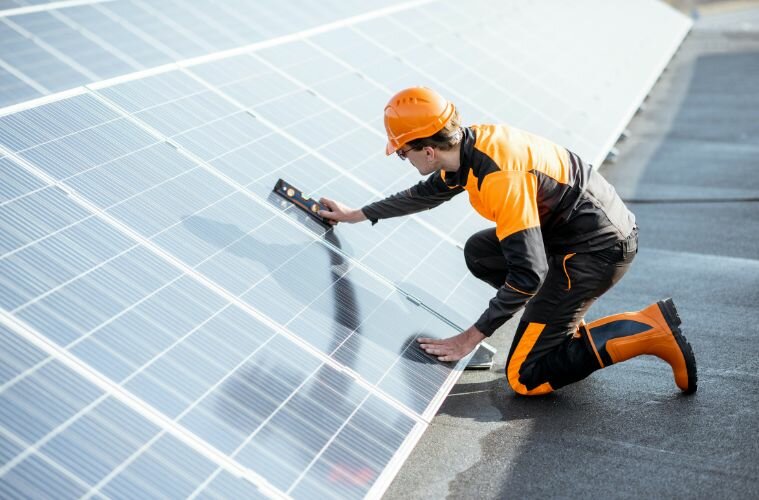
A green workforce shortage threatens net-zero goals. Green jobs are growing 260%, but skills only 60%.
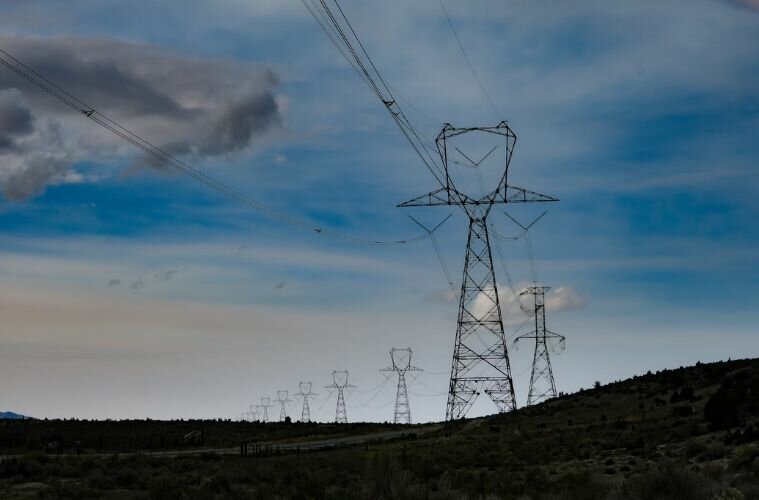
Demand response is key to grid stability in 2025, offering C&I organizations cost-saving solutions while utilities enhance energy efficiency.
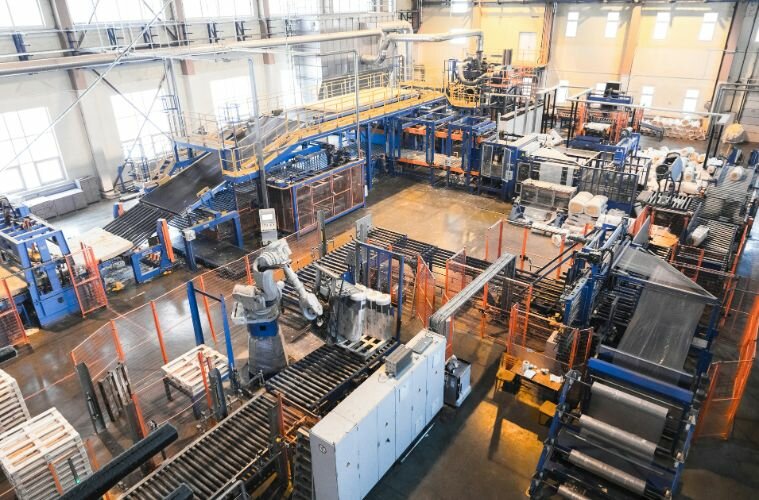
EA’s 10% waste crime levy faces backlash as recycling firms claim it punishes law-abiding businesses while failing to crack down on waste criminals.

This collaboration aims to leverage Uponor’s expertise to further the Twins’ long-standing commitment to environmental stewardship.

Illinois State’s sustainability efforts earn STARS Silver, showcasing improvements in waste reduction, infrastructure, and sustainability education.
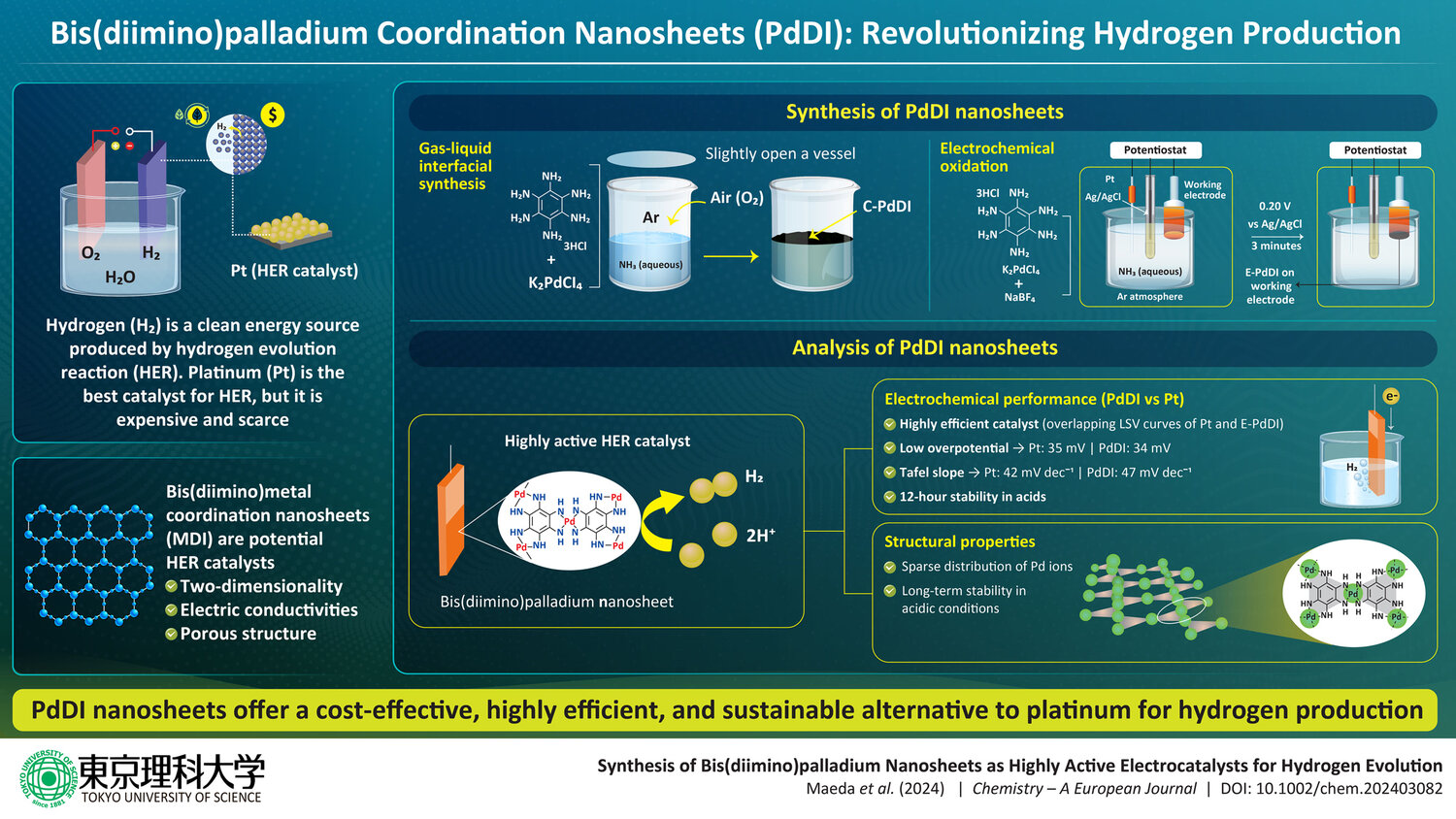
Researchers have developed a palladium-based catalyst for hydrogen production that matches platinum’s efficiency while using ten times less precious metal.
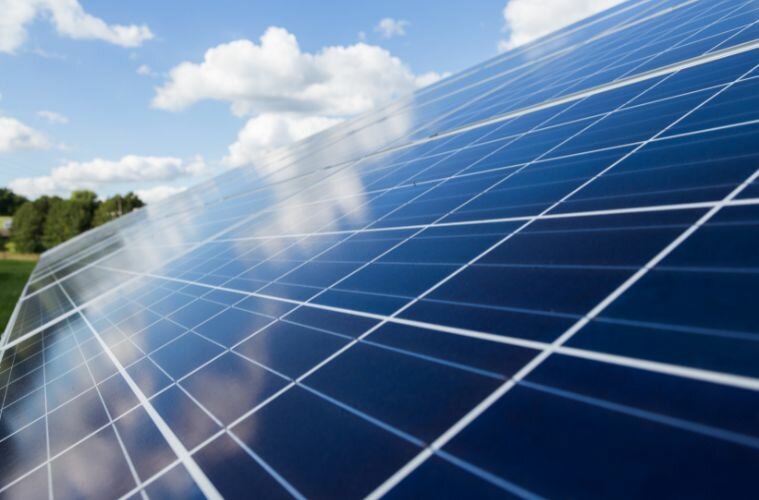
A new joint venture aims to accelerate corporate adoption of clean energy solutions.
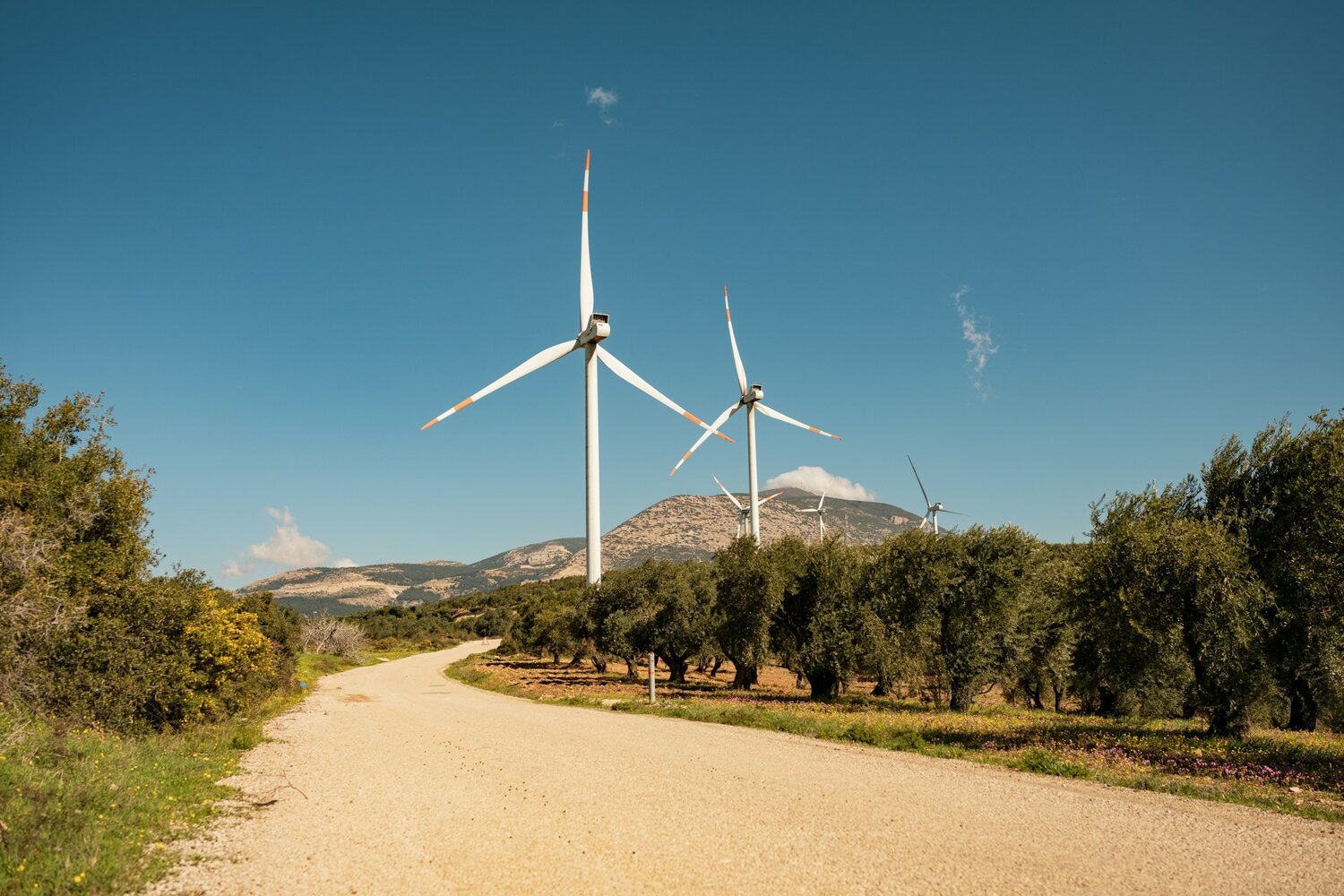
Pele Energy Group has secured $31 million from Nedbank and Norfund to expand its renewable portfolio. The investment supports large-scale clean energy projects.
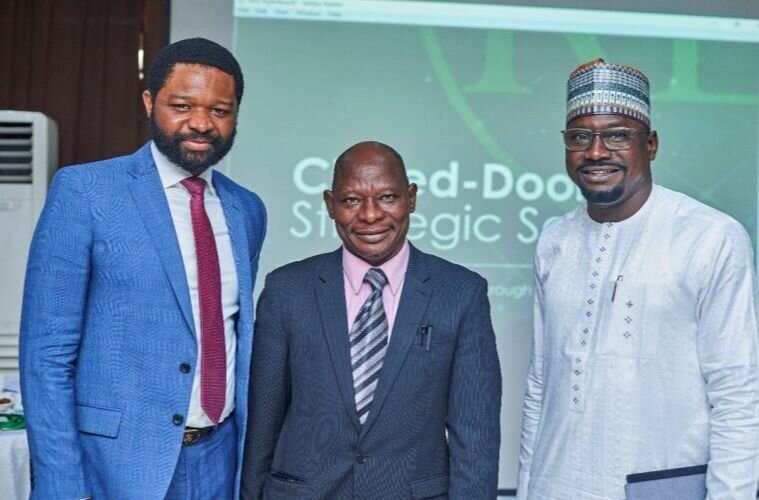
Backed by the World Bank, Nigeria’s DARES program invests $750M in solar mini-grids and home systems to boost energy access and sustainability.