
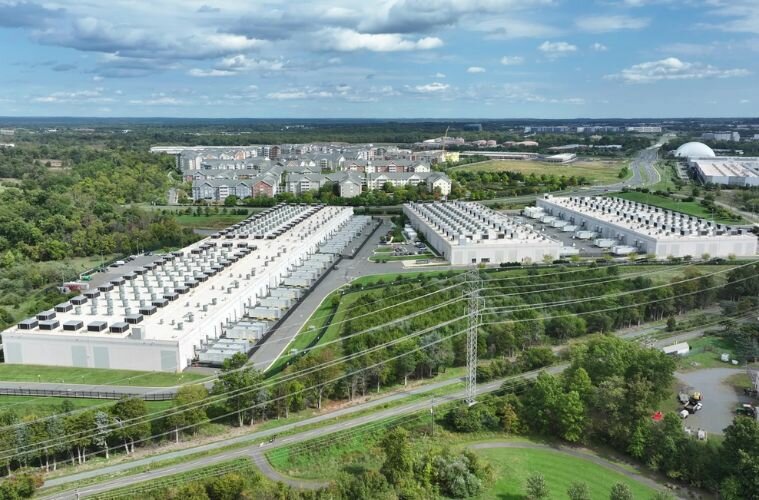
The arithmetic of corporate energy efficiency has stopped working for a growing number of technology-intensive companies.

School districts are expanding solar projects beyond pilot phases. By pairing generation with efficiency upgrades, they aim to cut costs and emissions.

Researchers test a vibration based method to scale graphene production with lower energy use. Soon results show faster output and less environmental trade offs.

Mars signed a virtual PPA for most of the output from a planned wind farm in Lithuania that doesn't exist yet.

Sustainability-linked bonds tied to electrification milestones assume the borrower controls the timeline. Grid access constraints are proving that assumption wrong in a growing number of cases.

The GHG Protocol's Land Sector and Removals Standard takes effect January 2027. Its carbon opportunity cost methodology could significantly alter how biomass emissions are reported.
ETI has launched a hydrogen truck for long-haul freight. It tests whether fuel cells can handle payload, range, and refueling limits at scale.

NGO scorecards and ESG rating agency methodologies have quietly become business risk infrastructure. Most sustainability teams don't know how they're being scored.

The disclosure system was built to capture what companies believed about themselves — their goals, their trajectories, their commitments. It was not built to verify them.

Coral reefs are declining at an alarming rate worldwide. New efforts in East Africa show how partnerships and technology can deliver measurable restoration.

The environmental commitments your biggest customers made publicly are now showing up in your contract renewal.

Environmental accountability has crossed into finance and law. Boards still routing ESG through comms are exposed in ways that go well beyond reputation.

Energy Vault enters Japan with an 850 MW storage pipeline and local team. The move targets grid demand and builds a long-term foothold in a complex market.

In agriculture, materials, transport, and heavy manufacturing, absolute emissions haven't fallen at the required pace. The gap isn't about ambition — it's about structural constraints

Greenhushing — deliberately downplaying environmental goals to avoid scrutiny — is growing. But regulators in the EU and UK are now targeting silence as well as overstatement.

Capral Aluminium is replacing a 40-year gas furnace with a fully electric system, backed by $3.45M from ARENA, targeting a 9% cut in total Scope 1 emissions.

About 70% of Scope 3 carbon inventories fail at the verification stage, not because companies haven't made an effort, but because the governance architecture underneath the numbers isn't built to withstand external scrutiny.

BlackRock and others are embedding transition credibility into credit assessments. With $1T in corporate debt maturing in 2026, environmental commitments now carry financial risk.

EPA approves carbon storage permits in Kansas and Illinois, advancing CO₂ sequestration projects with long-term monitoring requirements.

Only 16% of the world's largest companies are on track for net zero by 2050. The failure isn't strategic—it's operational.