

As aging systems converge, maintenance backlogs are creating capital risk, execution constraints, and valuation pressure.

Water is no longer just an infrastructure issue. A new national strategy frames water security as central to U.S. economic growth and competitiveness.

As U.S. electricity demand rises, Stryten Energy is highlighting domestically manufactured battery storage systems as a tool for grid resilience and demand management.

A building materials manufacturer was fined more than $800,000 after investigators found prior near misses were ignored before a life-changing injury at a production facility.

The invisibility of infrastructure stress creates a disconnect between operators and decision-makers.

Workforce safety is often treated as a compliance issue. This Industry Voices analysis examines how AI is redefining safety as a measurable sustainability lever across high-risk industries.

Incident-free performance can hide growing infrastructure stress. Lagging risk indicators often mask degradation, shrinking margins, and rising exposure before failure occurs.

Nature is shifting from ESG add-on to financial risk factor. Investors are starting to price ecosystems, resilience and climate exposure into long-term returns.

Water utilities face a wave of retirements and rising tech demands. A free online program is building a new talent pipeline for essential water careers.

A new assessment of Odisha’s power system shows how repeated cyclones expose infrastructure vulnerabilities, recovery limits, and the role of operational preparedness in resilience.

Maryland’s SB 688 would restrict how stream restoration projects count toward stormwater and pollution-reduction compliance.

Operations leaders face tighter tradeoffs, higher risk, and less flexibility as margin disappears.

From battery energy storage to workforce development, a future engineer outlines what’s needed to scale a resilient, interoperable grid.

Facilities teams are being pushed to meet modern performance demands with infrastructure designed for a different era.

The construction industry is heading into 2026 with solid demand but real pressure. Firms that plan early and build resilient systems will stay competitive.

NYPA’s AGILe joins DOE’s grid test bed inventory, expanding national access to system-level grid testing and digital twin capabilities.

Utah’s SB 231 shows how states are using tax policy to manage large electricity loads as infrastructure strain intensifies.

Building upgrades are moving faster than grid and water infrastructure can expand—creating a growing capital risk few models fully capture.
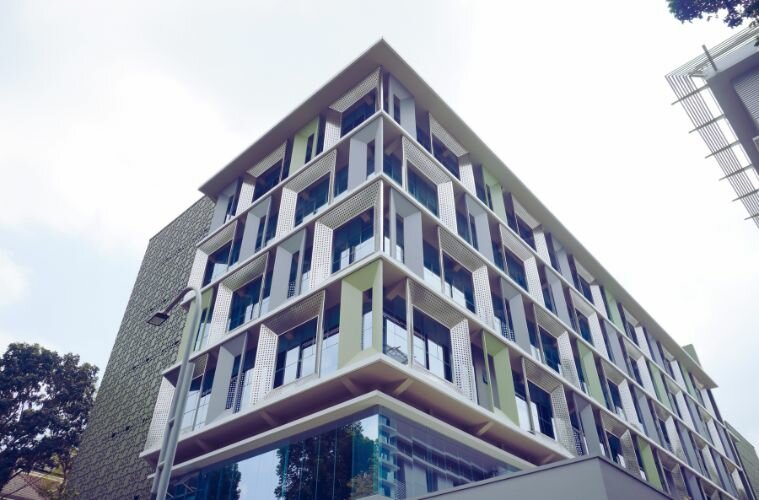
As buildings electrify and demand shifts, facilities teams are encountering infrastructure limits that were never designed to absorb today’s loads.

RICS data shows planning delays, labor shortages, and cost pressures reshaping how—and how fast—green building projects can move forward.