
BNSF's new five-year agreement with TCU covers 746 intermodal workers at four critical hubs, offering a stability signal for supply chain operators tracking rail risk.
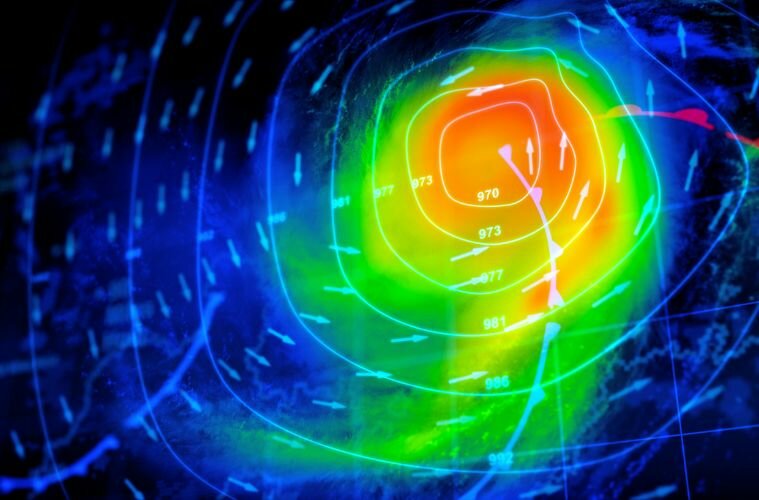
Boston University research shows how AI is improving climate predictions, helping businesses anticipate supply chain and operational risks earlier.

Cross-border growth used to come with manageable environmental risk. That calculus is shifting fast — and most due diligence processes haven't caught up yet.

Water is no longer an operational input. It is a constraint on capital deployment. And unlike energy, it cannot be substituted, hedged, or easily relocated once a facility is built.

Disposable lab gloves may be skewing microplastics data. That raises concerns for regulators, investors, and companies relying on it.

EPA’s draft CCL 6 adds PFAS, microplastics, and pharmaceuticals to its drinking water watchlist, signaling future regulatory priorities.

NOAA reopens Atlantic monument waters to commercial fishing, boosting U.S. seafood supply while raising environmental and legal concerns.

According to the World Bank, land access, environmental liability tied to site conditions, and the growing intersection of both with water availability are becoming material constraints for international operations.

Water availability is no longer just an environmental issue. For North American facilities leaders, it's becoming an operational and compliance pressure that demands attention now.

4/6/2026: NAEM is hiring a Director of Educational Programs to lead EHS&S learning initiatives, including conferences, webinars, and training for corporate sustainability professionals in Washington, D.C.

Closed Loop Partners acquired Sutter Metals this week in its first metals investment. The deal reflects growing pressure to build domestic supply chains for critical materials.

The updated ISO 27914 now has enough detail to matter as a potential substitute for the federal reporting requirement that 45Q tax credits depend on.

The permit application looked straightforward. Then someone pulled the facility's discharge history and the timeline moved. That is happening more than most operations teams realize.

The violations that produced the biggest penalties were not one-time failures. They were patterns that accumulated across years.

New research finds lead in some children’s clothing fabrics. The findings raise fresh concerns for fast fashion supply chains and product safety.

New reporting rules are bringing consistency to tire sustainability data. The shift could help buyers better compare environmental impact.

IQAir's 2025 World Air Quality Report documents a global decline in air quality. The health consequences, now including dementia, carry a $8.1 trillion annual price tag.

Have staffing changes of the last 18 months left gaps in your program that you have not fully mapped yet?

EHS and compliance leaders who wait for enforcement to find violations first are paying more than those who find it themselves.

A compliance program that depends on institutional knowledge that is quietly walking out the door is not a program built for the enforcement environment of 2026.