

Ohio's House passed H.C.R. No. 35 63-32 on June 9, urging Congress to reform federal energy permitting and citing a 2,000-gigawatt interconnection backlog and NEPA timelines near four and a half years.

E2 tracked nearly 8 GW of canceled clean energy capacity and $13 billion in abandoned investment in Q1 2026 alone. The hidden cost is what those projects were supposed to deliver.

Global energy transition investment hit $2.3 trillion in 2025. But capital is concentrating in data centers and a few large managers, leaving most clean energy deals competing for less.
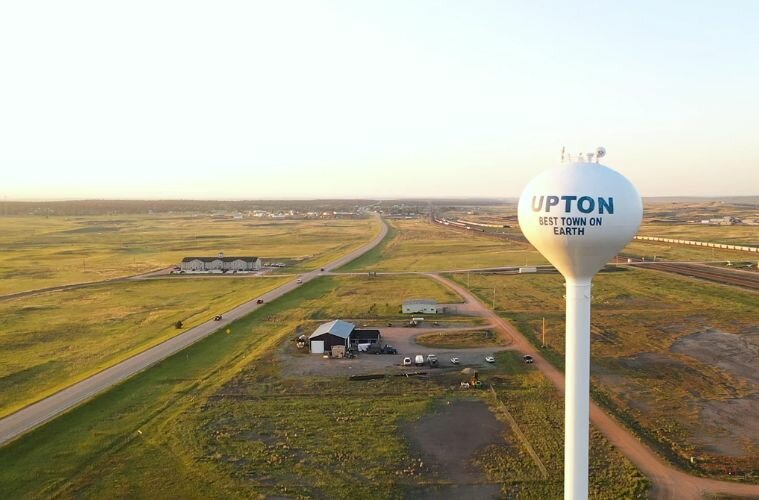
Rare Element Resources reports Bear Lodge is tracking toward March 2028 federal permitting completion under FAST-41, with its Wyoming separation demonstration plant targeting late summer 2026.

Eighteen EU member states signed a cross-border autonomous vehicle testbed agreement in Luxembourg on June 8, with $21.8 million in digital infrastructure funding launching this month.

Federal permitting blocked 11 GW of clean energy in one year. The interconnection queue holds 2,060 GW more. Operations teams with project-tied energy timelines carry direct exposure.
Sustainability teams must now report the same data through CSRD, IFRS S1 and S2, CDP, and GRI at once. Software providers are splitting into two distinct categories to keep up.

Billion Watts and Enervest are developing smaller battery sites across NSW and Victoria. The portfolio targets local grid support, storage revenues and resilience.

Clean energy project finance credit standards shifted in 2025 and 2026. Companies with infrastructure commitments built on older assumptions are running into those changes now.

M-44 cyanide devices are back in the predator-control debate. For land managers, the issue now spans safety, liability, pets and endangered wildlife.

DOE selected Duke Energy for up to $96 million in federal funding for reliability upgrades at coal-fired power plants in Kentucky and North Carolina across three sites.

Red Metals is investing $70 million in a North Charleston copper rod plant launching Q4 2026, targeting shorter lead times for electrical infrastructure and advanced manufacturing buyers.

Permitting delays are stranding pre-development capital and driving carry costs higher. CFOs evaluating energy and infrastructure projects need to treat permitting uncertainty as a front-end financial risk.

Steel, copper, and grid material costs have reset project economics across clean energy and infrastructure. Finance teams holding 2022-era models need to close the gap before H2 capital decisions land.

ISO 14001 is getting its most significant update in a decade, with new requirements effective April 2026 and a compliance deadline of April 2029. The changes are more complex than they appear — and organizations that wait to start preparing will feel it.

Canovation and CANPACK are preparing CanReseal for pilot-line use. The project tests whether resealable aluminum cans can fit existing production.

Wisconsin settled its PFAS enforcement case against Tyco Fire Products, requiring a $10M trust fund payment, replacement wells, and 20 years of groundwater monitoring in Marinette County.

Global climate reporting relies on emissions data collected under different methodologies, standards, and frameworks, making cross-border comparisons more difficult than many assume.

South Africa has enacted one of the most ambitious sustainability disclosure frameworks on the African continent. What the framework requires and what most companies can actually produce are two different things.

Massachusetts health officials are testing air quality at Uxbridge High School after multiple teachers were diagnosed with breast cancer.