

Wells Fargo exits the NZBA amid political scrutiny over climate commitments. The move underscores tensions between policy and environmental goals.
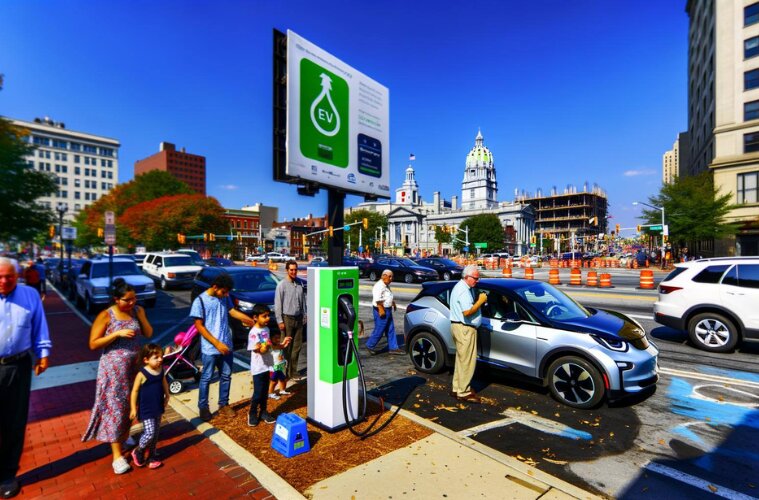
Can Pennsylvania overcome its infrastructure and policy hurdles to lead the nation in clean energy innovation?
The City of Portage debuts a food scraps recycling program, aiming to cut landfill waste, lower emissions, and support eco-friendly practices.
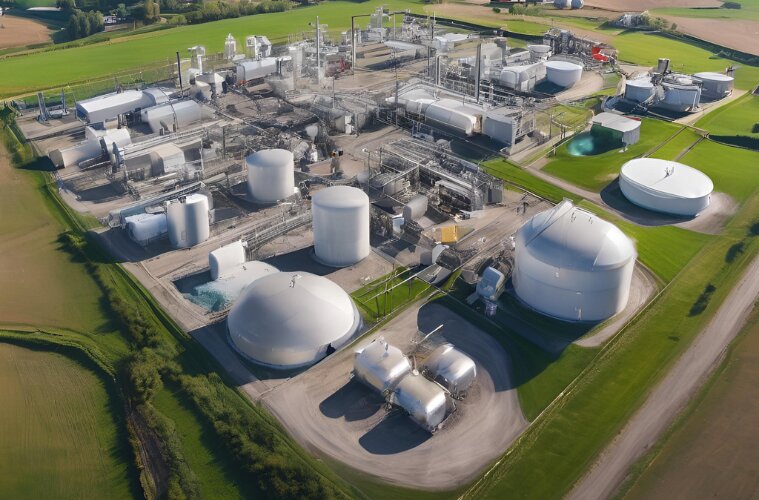
Methane reduction offers a rare chance for quick climate wins. Learn how federal investment is driving tech, jobs, and community resilience.
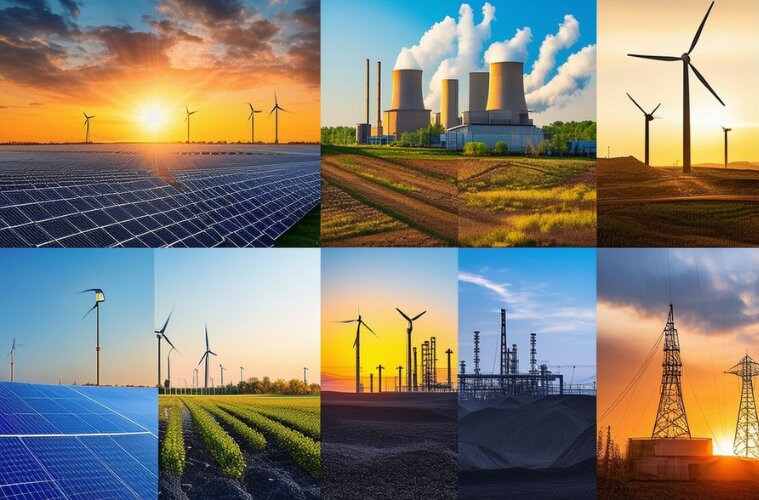
Exploring the major energy sources in the United States and analyzing their impact on sustainability, focusing on reducing the carbon footprint through clean energy initiatives.

G-Lyte’s solar innovation aims to replace disposable batteries with eco-friendly DSSC technology, offering 99% recyclability and low-light efficiency.

Federal lands cut greenhouse gas emissions by 18% since 2005, but wildfires and droughts reduce their effectiveness as carbon sinks.

Amazon is decarbonizing its global operations by 2040, revolutionizing green infrastructure with net-zero buildings and renewable energy.
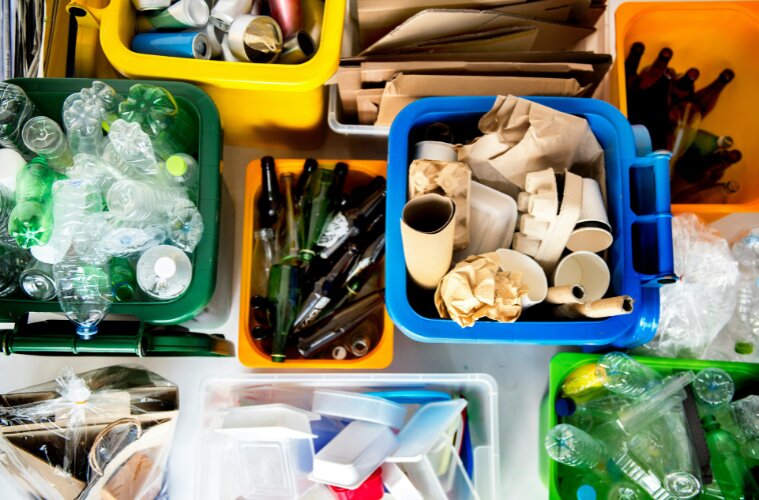
Maine, Vermont, and Massachusetts have the highest recycling rates in the country. Which three states are ranked the worst?

What does the latest Edison water main break mean for the future of infrastructure?
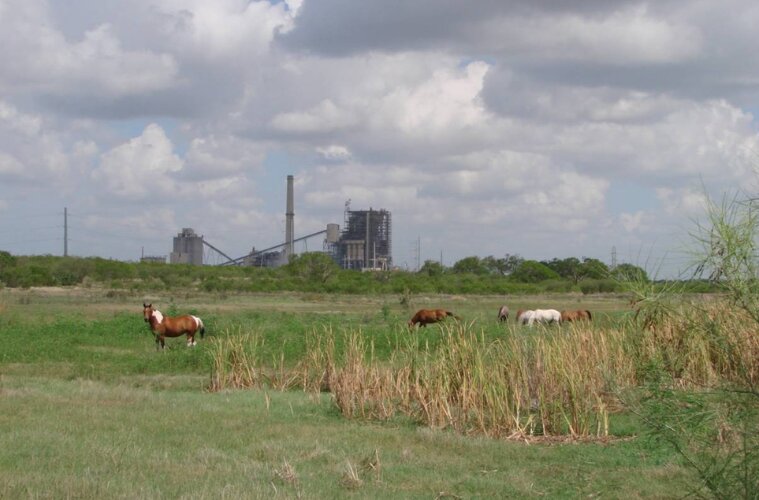
Government funding will allow San Miguel Electric Cooperative, Inc. to transition from lignite-fired power generation to renewable energy.

New York will require fossil fuel companies to fund billions in critical adaptation projects, a move that could set a precedent for climate accountability nationwide.

Thailand’s leading energy company celebrates 13 years on the Dow Jones Sustainability Indices.

The year's most-read stories revealed: Climate events, toxic chemicals, and energy breakthroughs shaped the sustainability conversation in 2024.

How will the ISSB standards transform sustainability reporting for UK businesses?

As we approach a pivotal year for sustainability and energy leadership, the road ahead comes with unique challenges—and exciting opportunities. With anticipated regulatory rollbacks and funding …
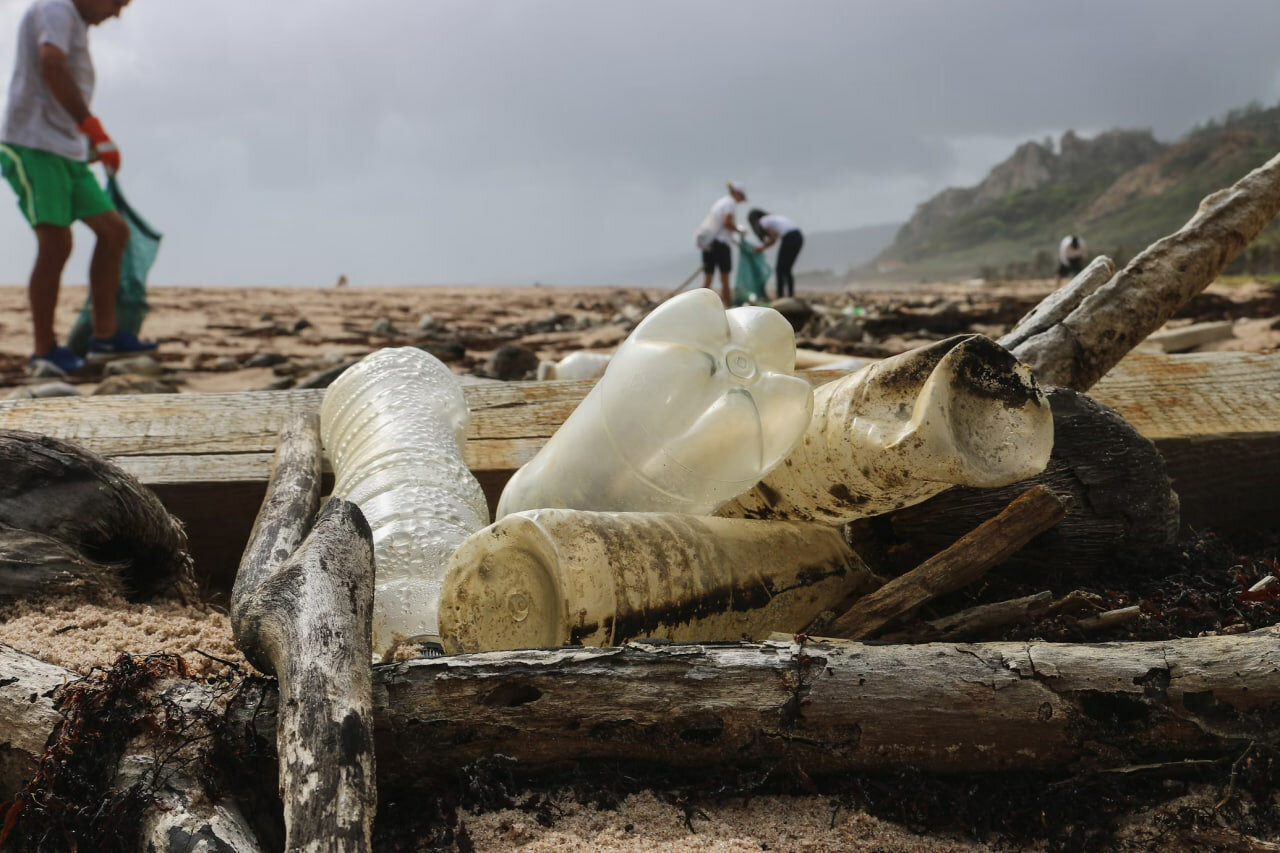
FloWater has prevented 1 billion plastic bottles from entering landfills since 2013. Its refill stations are redefining hydration nationwide.

Under the leadership of Prime Minister Jonas Gahr Støre, Enova’s annual funding has surged from $290 million to over $800 million since 2021.
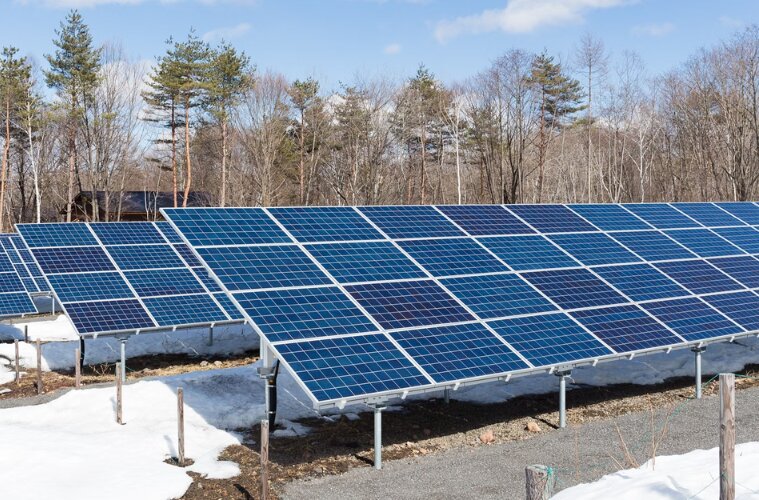
Maine’s commitment to renewable energy takes a significant step forward with five new community solar farms, delivering clean power and savings to residents statewide.

California's SB 253 and SB 261 require companies to report emissions and climate risks, setting a new standard for corporate accountability.