

Relying on spreadsheets for sustainability data is no longer enough. Automation offers accuracy, efficiency, and a clearer path to achieving climate goals.

Wells Fargo exits the NZBA amid political scrutiny over climate commitments. The move underscores tensions between policy and environmental goals.
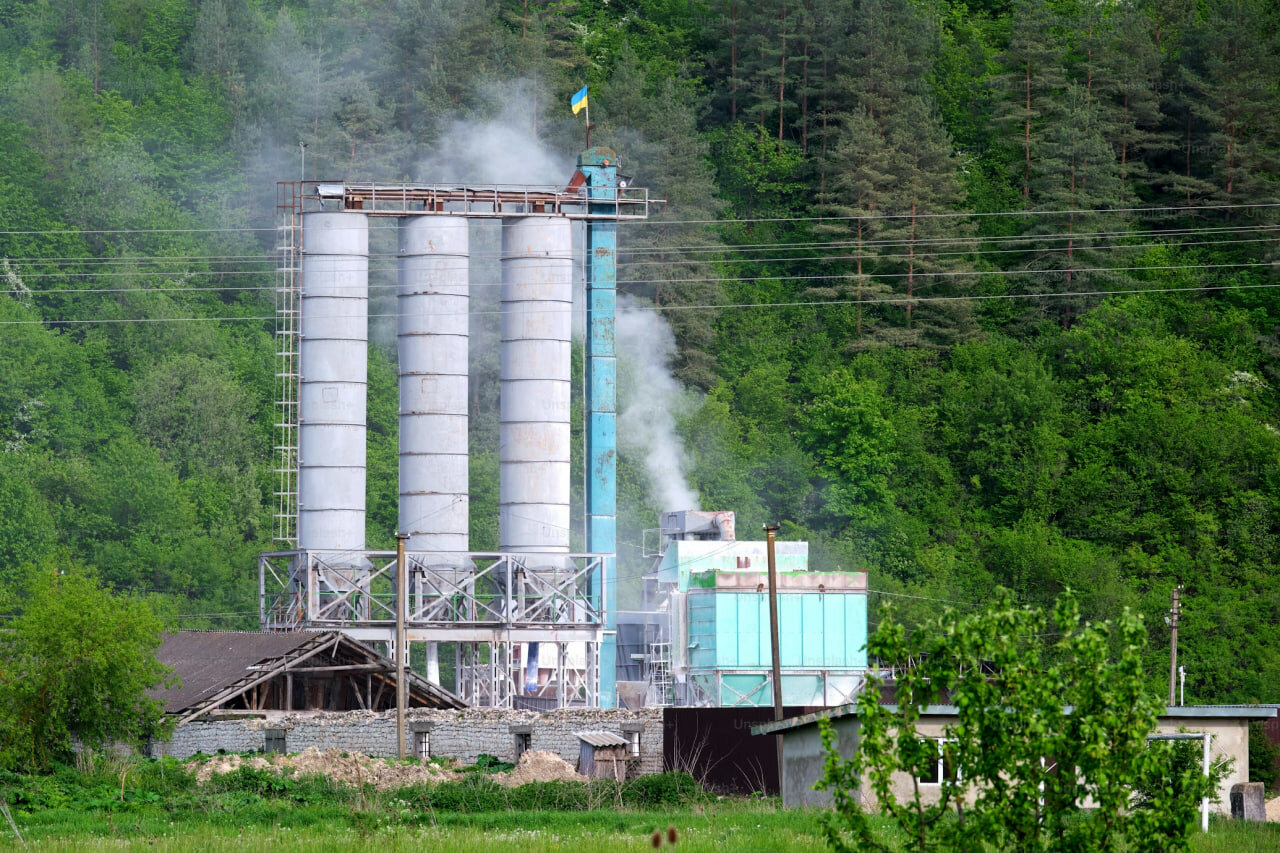
Small methane leaks make up 72% of emissions from U.S. oil fields. New research highlights the need to address distributed leaks, not just super emitters.

Ancient Southern Ocean fossils uncover 500,000 years of ecosystem responses to climate shifts, highlighting risks to modern biodiversity.
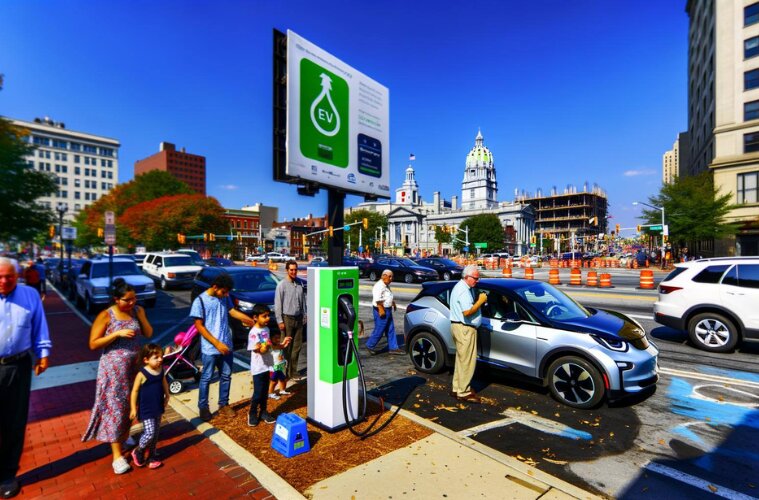
Can Pennsylvania overcome its infrastructure and policy hurdles to lead the nation in clean energy innovation?
The City of Portage debuts a food scraps recycling program, aiming to cut landfill waste, lower emissions, and support eco-friendly practices.

Navigating the sustainability data paradox demands robust tools to avoid greenwashing, paralysis by analysis, and missed opportunities in achieving climate goals.
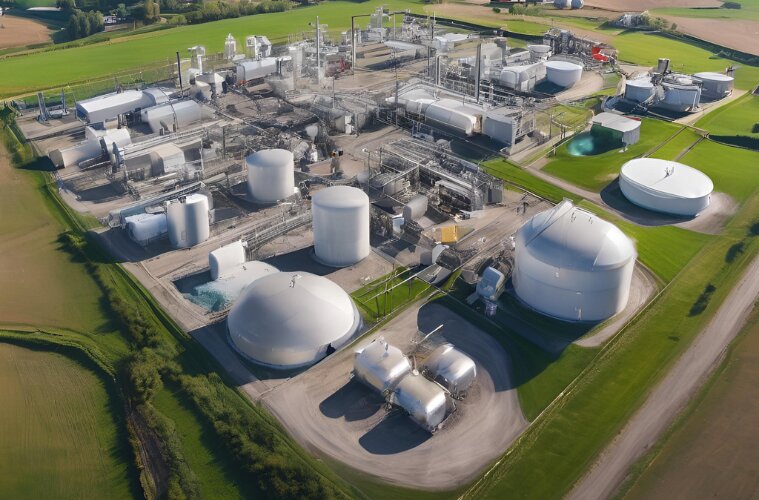
Methane reduction offers a rare chance for quick climate wins. Learn how federal investment is driving tech, jobs, and community resilience.

Reducing U.S. reliance on Chinese graphite is crucial as China enforces export bans, impacting next-gen sustainable tech and critical industries.
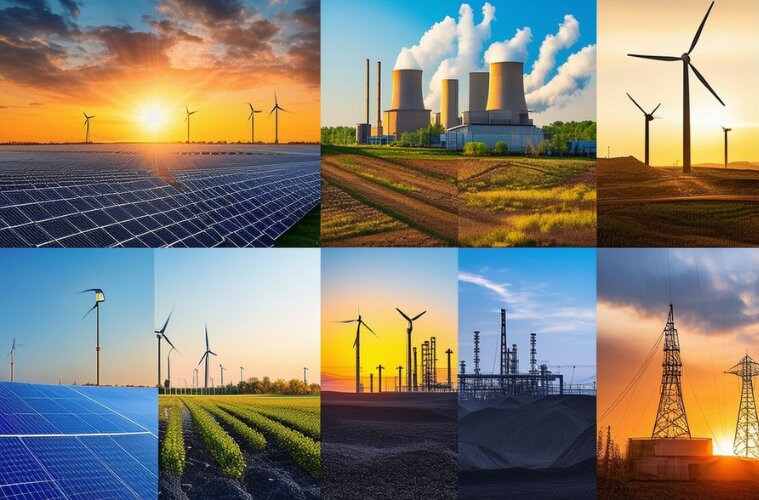
Exploring the major energy sources in the United States and analyzing their impact on sustainability, focusing on reducing the carbon footprint through clean energy initiatives.

Dive into the aviation industry’s innovative strategies for achieving net zero emissions through sustainable fuel and technological advancements.

G-Lyte’s solar innovation aims to replace disposable batteries with eco-friendly DSSC technology, offering 99% recyclability and low-light efficiency.
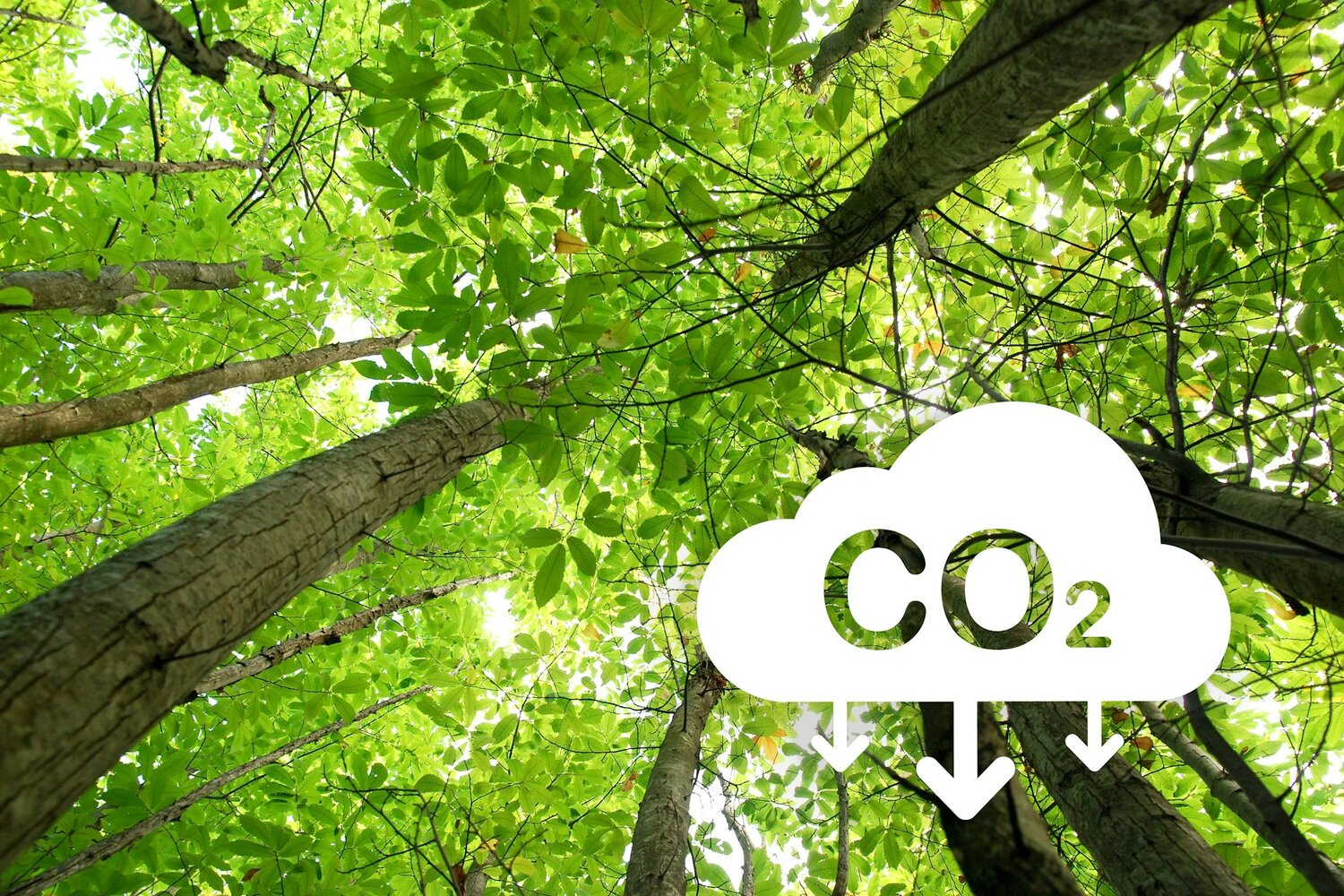
Federal lands cut greenhouse gas emissions by 18% since 2005, but wildfires and droughts reduce their effectiveness as carbon sinks.

Amazon is decarbonizing its global operations by 2040, revolutionizing green infrastructure with net-zero buildings and renewable energy.

As Texas expands, ensuring equitable infrastructure for EJ populations is key. Insights on NEPA compliance and more from Charles Jacobi.
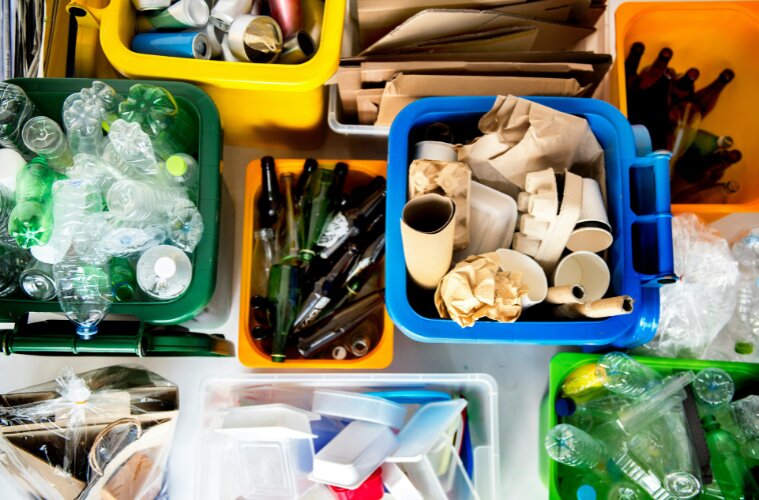
Maine, Vermont, and Massachusetts have the highest recycling rates in the country. Which three states are ranked the worst?

What does the latest Edison water main break mean for the future of infrastructure?
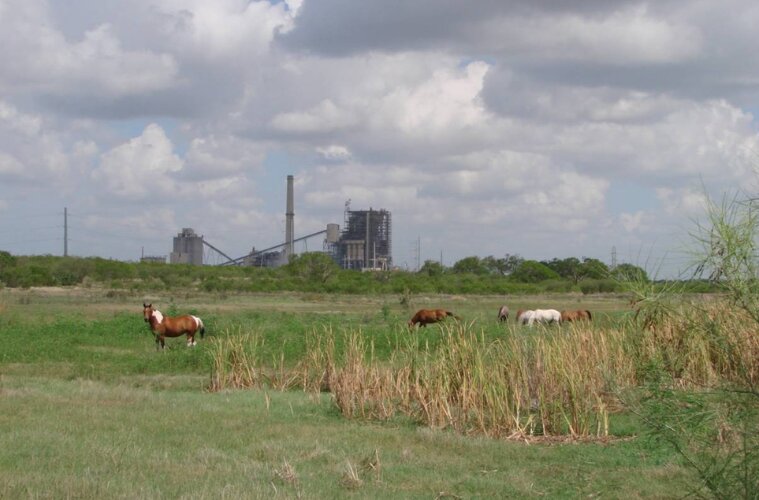
Government funding will allow San Miguel Electric Cooperative, Inc. to transition from lignite-fired power generation to renewable energy.

Global climate progress in 2024 was mixed, with advances in climate financing and packaging laws offset by stalled plastic treaty negotiations.

New York will require fossil fuel companies to fund billions in critical adaptation projects, a move that could set a precedent for climate accountability nationwide.