

Honolulu Airport has introduced three electric Wiki Wiki trams. The service-based upgrade lowers emissions and modernizes daily operations.

FlexGen updates HybridOS as storage takes a larger grid role. The release sharpens control, uptime, and revenue capture for complex assets.

The Department of the Air Force is evaluating whether naturally occurring geologic hydrogen near two bases could provide a cost-competitive, resilient energy source.

A new philanthropic commitment to the Nuclear Scaling Initiative highlights a shift in U.S. nuclear strategy—from one-off projects to repeatable, standardized builds designed to meet rising electricity demand.

FedEx rolled out SAF at two major airports in late 2025, boosting coast-to-coast use. But limited production threatens to slow the sector’s momentum.

The Aircraft Drinking Water Rule sets clear standards—but new data shows uneven compliance across U.S. airlines.

Nuclear startup AMPERA launches from stealth in South Florida. Its new HQ aims to power data centers, defense systems, and critical infrastructure.

Flint’s paper battery tech is now in production, moving beyond R&D. The startup’s safer, PFAS-free cells are ready for pilots and early deployments.

Big Oil brands itself as climate-conscious, but emissions cuts and clean energy spending still lag. For business, the gap between words and action is a risk.

ATR earns a CDP B score for the third consecutive year, reflecting management-level climate action, SBTi-validated targets, and progress on aviation decarbonization.
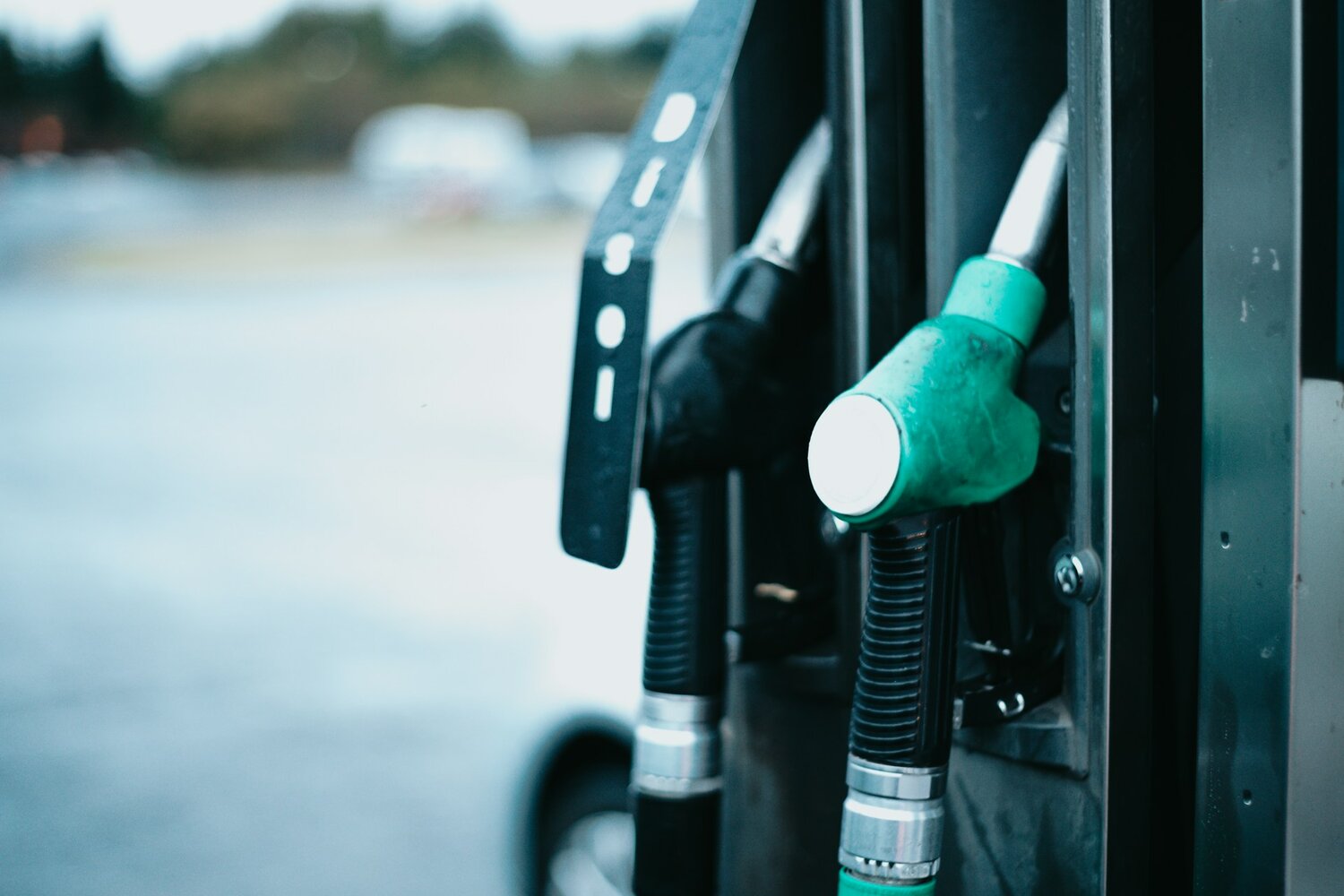
Massport has signed a major deal with Broco Energy to supply renewable diesel across its operations. The move signals a broader shift in regional fuel strategy.

Louisiana will use $20.9M in FEMA funding and a $2M LED grant to build a new paint hangar at Chennault Airport, supporting more than 100 jobs.

Ex-Change Parts achieves 100% helicopter recycling, reflecting rising circularity trends in aerospace and growing operator demand for reused components.

Project Beacon marks Southeast Asia’s first commercial SAF plant using waste gas. The move signals a shift from oil-based feedstocks to scalable carbon reuse.

BioMADE’s new Iowa pilot plant will expand U.S. biomanufacturing capacity, strengthen supply chains, and create new markets for agricultural feedstocks.

China’s LFP export curbs spotlight the UK’s battery supply gap. Without urgent investment, Britain could fall behind in EV and energy security goals.

Pittsburgh’s $1.7B airport terminal sets a new standard for sustainable infrastructure, efficiency, and regional economic growth in Western Pennsylvania.

UC Riverside engineers built a smarter battery system that forecasts task success, factoring in terrain, weather, and load—not just charge percentage.

IATA confirms sufficient sustainable aviation fuel feedstock for aviation to reach net zero by 2050, but scaling production remains a major challenge.

AIRCO’s Brooklyn plant turns captured CO₂ into jet fuel using a modular system. The facility proves synthetic fuel can scale to meet aviation demand.