


As industrial decarbonization accelerates, a new wave of compact, low-energy carbon capture systems like Nuada’s is reshaping the future of emissions reduction across cement, waste-to-energy, and biomass sectors.

An almond farm in NSW is using solar and storage to cut 7,500 tons of CO₂ a year. It's a clear win for energy stability and cost savings.
Shipley Energy reports that managing peak load contribution can lower energy costs for businesses, improving efficiency and savings significantly.

Rising inflation, energy market volatility, and deferred maintenance are turning energy inefficiency into a major financial risk. Learn how your team can cut costs, improve resilience, and protect critical infrastructure.
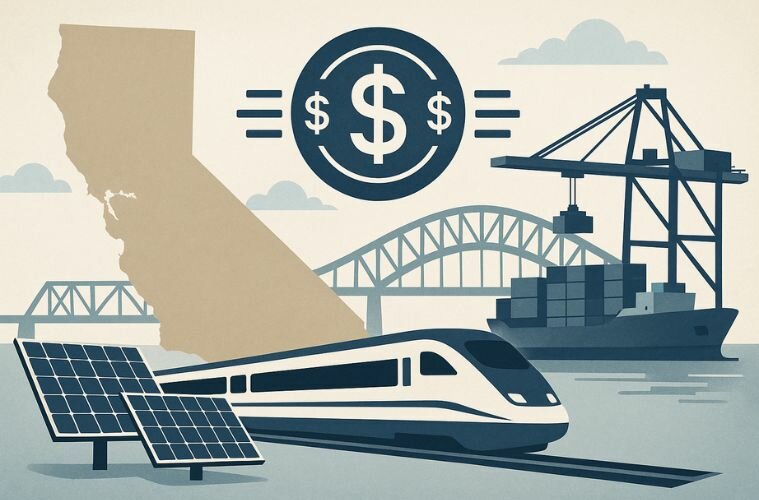
California Senate advances resolution urging federal protection of key infrastructure and climate investments amid growing political and economic uncertainty.

Lockheed Martin and Electra expand collaboration to accelerate the EL9 Ultra-STOL hybrid-electric aircraft for military, logistics, and emergency applications.

New satellite data shows Arctic peatlands have expanded over the past 40 years due to warming. This shift may strengthen the region’s carbon sink—at least for now.

Mobile emissions dropped 8% as data surged. But to hit net zero by 2050, the industry must more than double its current pace.

La Caisse’s 2025–2030 climate strategy signals a shift from exclusion to engagement, rethinking ESG by investing in decarbonization across all sectors.

Heidelberg Materials’ Brevik CCS facility is the first carbon capture plant at a cement site globally, capturing 0.4M tonnes CO₂ annually and storing it 2,600 meters below the seabed.

Zelestra’s 300 MW San Martín solar plant in Peru will power 440,000 homes and cut 166,000 tons of CO₂ annually. The project sets a new benchmark for Latin America’s clean energy growth.

The Appalachian Trail Conservancy has launched a $50 million Centennial Campaign to boost climate resilience, conservation, access, and visitor experience along the 2,190-mile trail from Georgia to Maine.
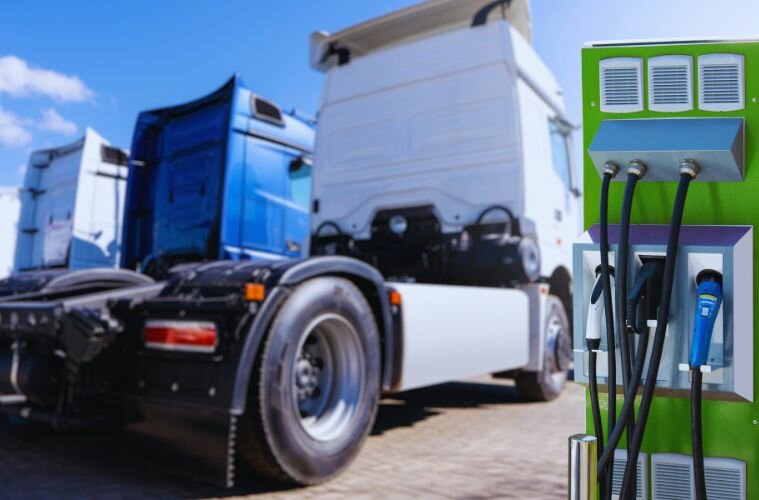
U.S. zero-emission truck deployments rose 76% in 2024, yet policy gaps, infrastructure delays, and costs remain barriers to full-scale fleet transition.
Delaware launches formal study into Small Modular Reactors amid reliability concerns, energy imports, and clean energy targets.

Rotterdam’s port is turning anchors into carbon sinks. A new system locks CO₂ into critical infrastructure without sacrificing performance.

PureCycle aims to install 1B pounds of polypropylene recycling capacity by 2030, backed by new capital and global infrastructure partnerships.

UC San Diego engineers develop a passive evaporative cooling membrane promising more efficient and sustainable data center operations.

Minnesota allocates nearly $100M for clean energy, grid upgrades, and EV incentives under a major new climate and energy finance bill passed in June 2025.

Hawaii will fund a three-year pilot program to test innovative wastewater systems aimed at replacing over 80,000 polluting cesspools impacting water and coral reefs.

President Trump’s executive order clears the way for Nippon Steel’s acquisition of U.S. Steel, promising $11 billion in U.S.-based investments and more than 100,000 jobs.