


BioMADE’s new Iowa pilot plant will expand U.S. biomanufacturing capacity, strengthen supply chains, and create new markets for agricultural feedstocks.

A new model detects climate stress by reading signals in living systems. From corals to cities, CBS3 turns biology into a global early-warning network.

Indigenous communities protect the world’s largest forests—but mining, oil, and logging projects are rapidly advancing on their land. Climate goals are at risk.

A new Indiana project grows corn with regenerative practices for use in biobased chemicals. It’s a fresh supply chain model rooted in soil health and emissions cuts.

Siloed building systems undermine ESG results. Integrated data environments build measurable decarbonization capacity and long-term compliance.
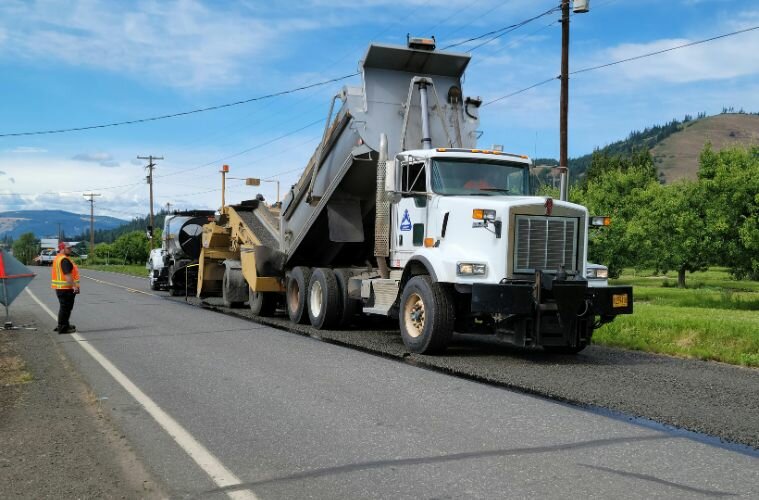
HB 3991 makes EV and hybrid drivers pay per mile, ends Oregon’s toll program, and adds stronger ODOT oversight to stabilize road funding and project delivery.

Nebraska and Iowa defend ethanol CCS reporting, while 18 states and cities warn EPA’s GHGRP rollback would undermine climate data and Clean Air Act duties.

The Green Climate Fund approved $3.26B in 2025, its largest annual total, signaling progress toward scaling climate finance and adaptation globally.

Boston is electrifying heat with a river-powered system in Cambridge. The Kendall Square project will deliver carbon-free steam to 70M sq. ft. of buildings.

HEINEKEN’s Lisbon brewery is switching to solar heat with a 100 MWh battery. The project replaces fossil steam, cutting emissions without changing operations.

The UN’s fourth Just Transition Dialogue outlines energy, finance, and workforce priorities for equitable climate action and sustainable development.

Litus has proven its nanotech lithium extraction works at scale, hitting 98% recovery. The low-energy system runs clean, stable, and ready for deployment.

A new rapid attribution study confirms that human-driven warming made Hurricane Melissa more intense, more destructive, and far more likely to occur.

AI’s rapid growth is draining more than just electricity. Behind the scenes, data center cooling is shifting water strain to power plants and local communities.

Workers across Georgia face toxic ethylene oxide exposure as outdated OSHA standards fail to protect them from cancer-causing air pollutants.

Breweries nationwide create waste at several stages of the beer-making process. Repurposing parts of this waste could improve antibacterial drugs.

U.S. clean-tech hits pause as Europe ramps up green funding. With retrofits on hold, AI-based building optimization is emerging as a practical alternative.

Most G20 nations lack credible plans for carbon removal, risking the Paris targets. Transparency gaps and weak policies leave climate goals in doubt.

PEER demands the EPA correct misleading PFAS data, spotlighting risks to scientific integrity and regulatory trust.

AI may run on data, but it drinks water. Ecolab's new global study links rising AI demand to water scarcity—and calls on business to rethink resource use.