

The global water and wastewater treatment market is expanding at 7% annually. Technology — membranes, AI, IoT — is driving the growth.

Discharge monitoring report inaccuracies are being treated as independent violations of the Clean Water Act — not just permit paperwork issues.

From CSRD water disclosures to supply chain exposure in water-stressed regions, sustainability teams face a growing accountability gap that boards are starting to notice.

Scope 3 is no longer a reporting exercise. It is becoming a procurement filter — and the window to catch up is closing faster than most suppliers realize.

The Genesis Mission is a federal initiative, backed by presidential executive order, to connect the DOE's 17 national laboratories with the country's most advanced AI, computing, and quantum systems.

Underwriters are using real-time data, asset age, and climate models to reprice freight infrastructure risk. Most operators aren't managing to the new standard.
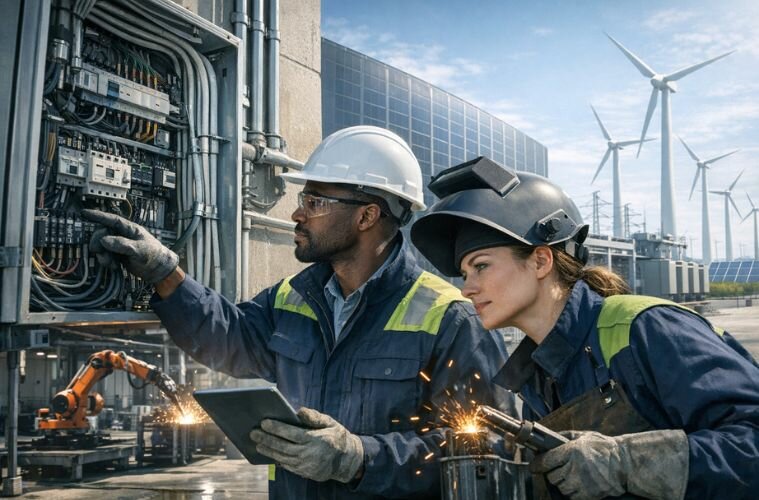
Trump's reshoring push, AI disruption, and a 500,000-worker skilled trades gap are converging — and infrastructure decarbonization is caught in the middle.

A UK company is developing a new way to produce iron phosphate for LFP batteries. The process could help Western markets reduce reliance on Chinese supply.
AI data centers are scaling fast, and power is becoming the constraint. GridAI and Amp Z are planning a 5-gigawatt pipeline built around coordinated energy systems.
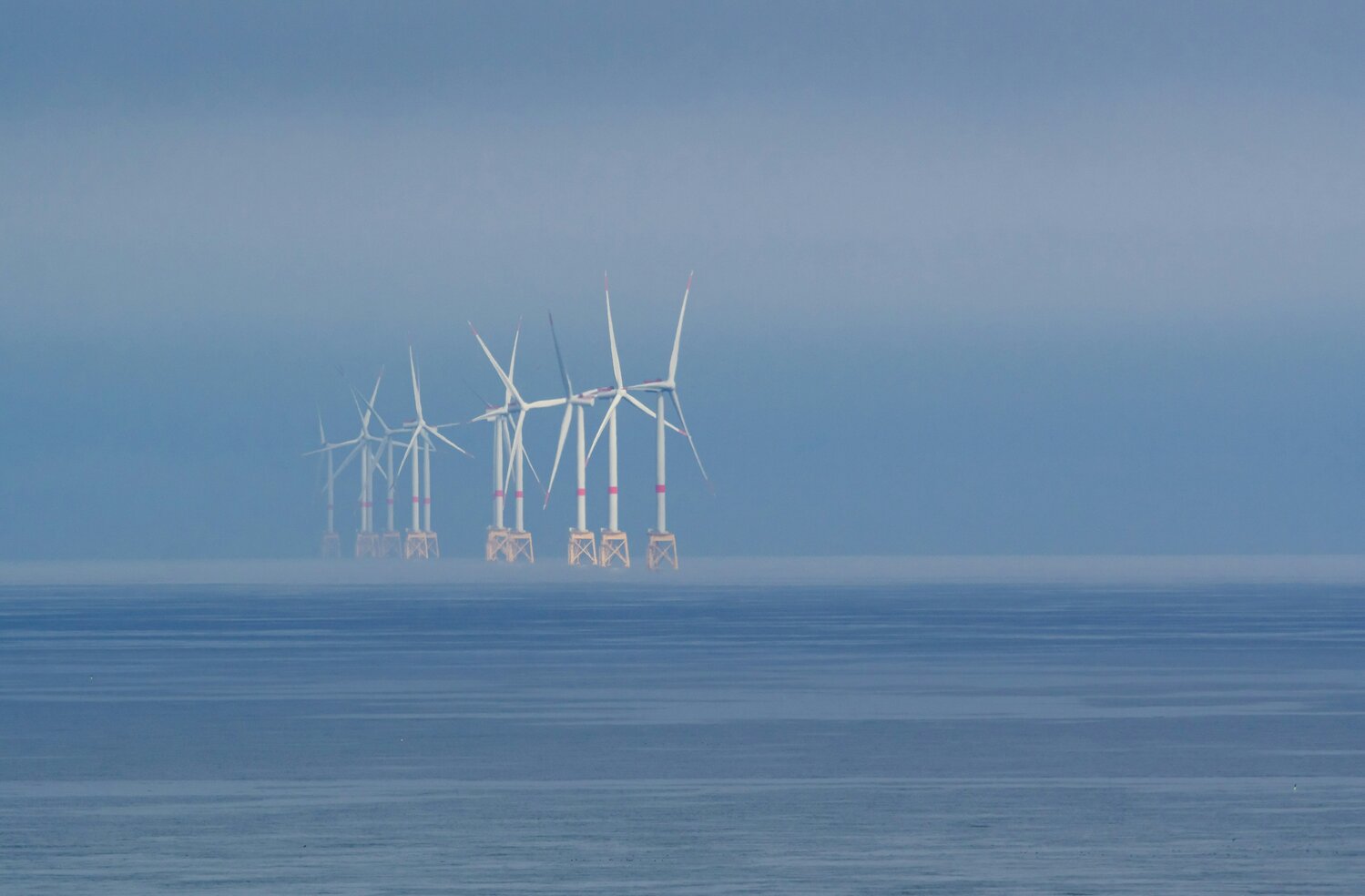
AI demand is pushing power grids and land supply to the limit. Floating wind platforms with built-in data centers could shift compute closer to its energy source.

Texas A&M is evaluating a very-high temperature research reactor in College Station. The project could anchor advanced nuclear R&D and industrial decarbonization.

Washington advances legislation requiring 80% clean power by 2031 and 100% by 2046 for large data centers, with new utility tariff and compliance requirements.

Heading into Q2, executive teams should stress-test capital plans against tightening energy availability, infrastructure bottlenecks, selective financing conditions, and rising underwriting costs.

A new USDA Request for Information on agricultural data and forecasting transparency could influence climate risk modeling, Scope 3 emissions reporting, and sustainability analytics across supply chains.

Persistent swings in natural gas and electricity markets are becoming embedded in supplier contracts, altering procurement strategy and long-term cost planning.

AI is reshaping energy and sustainability management. Schneider Electric outlines key AI shifts—traceability, frugal AI, and collaborative intelligence—and how its Resource Advisor+ platform helps organizations drive measurable, enterprise-wide impact.

Seven retailers are backing a single HREDD questionnaire and shared data hub. The goal is to cut duplication and streamline supply chain reporting.

AI clusters are scaling faster than utilities can respond. TurboCell aims to deliver fast, modular power that adapts as grid connections catch up.

AI workloads are driving sharp power swings in modern data centers. New hybrid stabilization systems aim to keep voltage steady in real time.

Aging systems, climate stress, and rising energy demand are exposing gaps in enterprise risk models built for isolated infrastructure failure.