

Pennsylvania's first BEAD awards send $448 million to 50 counties, and the state says local permitting will now decide how fast networks reach rural sites.

The Great Lakes hold about 20% of the world's surface freshwater, but industrial access still depends on withdrawal rules, quality, and capacity.

Pennsylvania will withhold data center permits unless developers pay their own power costs, secure local approval and meet new GRID Requirements.

Pennsylvania electricity prices rose nearly 12% year over year as higher PJM wholesale energy and capacity costs increasingly flow through to customer bills.

Rodale is betting $139 million on moving 10 million U.S. acres into organic production. Farmer economics and clear tracking will decide if it works in practice.

Core Natural Resources subsidiary CONSOL Innovations was selected for a DOE grant to pilot rare earth element recovery from Pennsylvania coal waste.
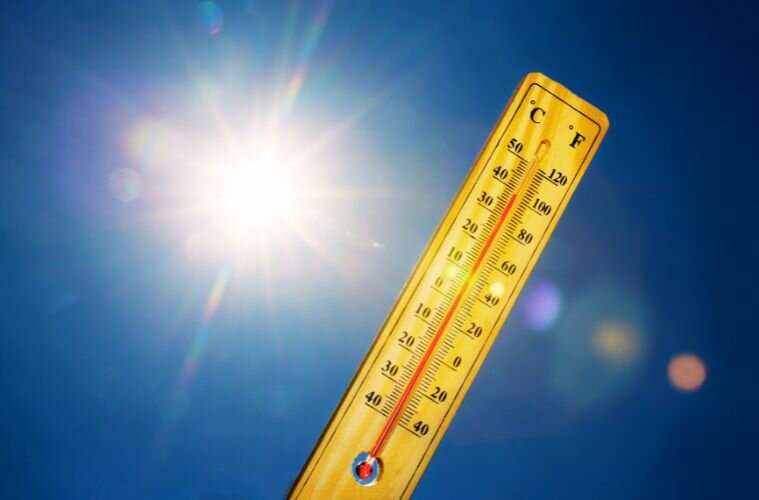
PJM has issued multiple grid reliability alerts as extreme heat pushes electricity demand toward a potential summer record across the Mid-Atlantic.

Pennsylvania has addressed less than 2% of its documented inventory of orphaned and abandoned wells, each one a potential source of methane emissions, groundwater contamination, and safety risk.

FERC approved PJM's updated transmission cost assignments on May 15, covering 358 new reliability projects effective June 14, 2026, with a 30-day compliance filing required on cost allocation methodology.

AFRL’s $18M contract will test large-capacity energy storage for Air Force missions. The goal is stronger power resilience in tough conditions.

Satellites are spotting major methane plumes across the Appalachian Basin. New data suggests high-volume releases may be more common than previously recorded.

As infrastructure, energy, and compliance pressures intensify, demand is rising for engineers trained to operate across sustainability, policy, and execution.

Pennsylvania House narrowly passes HB 505, expanding utility energy efficiency, resilience, and conservation requirements with major implications for grid planning.

Companies are rethinking infrastructure modernization for 2026 as PJM faces rising demand and volatility, prompting new strategies for reliability and flexibility planning.

New research identifies Dolichospermum as Lake Erie’s saxitoxin producer, raising climate-linked concerns as warming waters reshape harmful algal bloom dynamics.

Chesapeake Bay states approved a revised watershed agreement setting 2040 pollution-reduction and habitat goals to protect jobs, ecosystems, and coastal communities.

New Jersey’s Energy Security and Affordability Act would support advanced nuclear, 500 MW of storage, and 500 MW of demand cuts to stabilize PJM-era power costs.

Sixteen U.S. universities ranked in the global top 100 of the QS Sustainability 2026 list, driven by strong research, ESG governance, and environmental education.

A new Penn State study finds higher melanoma rates in counties with more cropland and herbicide use, raising concerns about agriculture and cancer risk.

Eos Energy is relocating its HQ to Pittsburgh, backed by a $352.9M investment. The move expands manufacturing and adds hundreds of clean energy jobs in PA.